Carya, Genus, illinoinensis, Species,
- Genus & species
pecan
South-central United States and northern Mexico (Mississippi River basin)
Overview
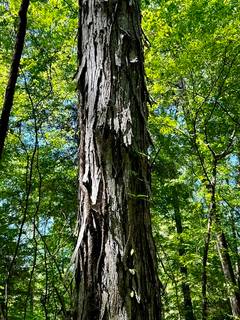
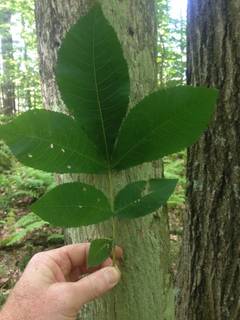
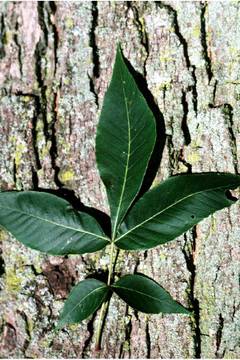
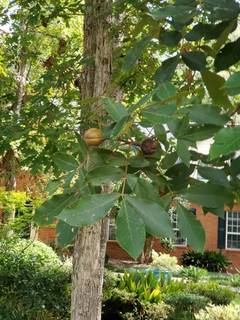
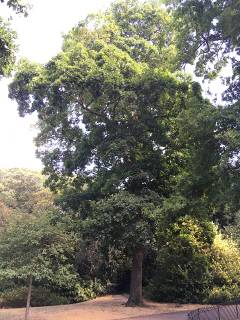
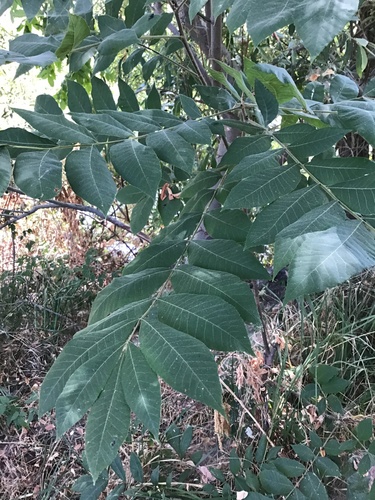
Carya illinoinensis is a large deciduous tree in the walnut family, reaching 70-100 feet (21-30 m) tall and occasionally 130 feet (40 m), with a trunk to 6 feet (1.8 m) in diameter and a broad, rounded crown spreading 40-75 feet (12-23 m). The pinnately compound leaves are 12-20 inches (30-50 cm) long with 9-17 curved, finely toothed leaflets that turn yellow before dropping in autumn. Bark is grey-brown and develops flat, scaly ridges with age. It is monoecious, carrying drooping yellow-green male catkins 4-6 inches (10-15 cm) long and small female flowers in spring; wind carries the pollen. Fruit is an oblong nut 1-2 inches (2.5-5 cm) long enclosed in a thin husk that splits into four sections at maturity, ripening September to November. Carya illinoinensis is the source of the commercial pecan and is grown across the southern United States in orchards and as a shade tree. Roots and leaf litter release juglone, a compound that suppresses some neighbouring plants. Limitations include a deep taproot that makes transplanting difficult, brittle wood prone to storm breakage, and a large mature size that needs considerable space.
Native Range
Carya illinoinensis is native to the south-central United States and northern Mexico, centred on the Mississippi River valley from Iowa and Illinois south to Texas and Louisiana and into the Mexican states of Coahuila and Oaxaca. It grows naturally on deep, fertile bottomland soils along rivers and floodplains.Suggested Uses
Carya illinoinensis is grown commercially for nuts and planted as a large shade or street tree where space allows, spaced 40-70 feet (12-21 m) apart in orchards. It also serves as a long-lived specimen in parks and rural properties and supplies hard, heavy wood used for furniture and flooring.How to Identify
Appearance
Size & Dimensions
Height70' - 100'
Width/Spread40' - 75'
Colors
Bloom Information
Carya illinoinensis flowers in spring as the leaves expand, typically April to May. Yellow-green male catkins hang in clusters of three from the previous year growth, while short female spikes form at the tips of new shoots. Pollen is wind-borne, and individual trees shed pollen and become receptive at different times, so cross-pollination between cultivars improves nut set.
Detailed Descriptions
Foliage Description
Medium green, yellow in fallGrowing Conditions
Sun Requirements
Requires 6-12 hours of direct sunlight daily
• Full Sun: 6+ hours of direct sunlight
• Partial Shade: 3-6 hours of direct sunlight
• Full Shade: Less than 3 hours of direct sunlight
Care & Maintenance
Care Guide
Carya illinoinensis grows in full sun on deep, moist, well-drained loam with a pH of 6.0-7.0 and produces the heaviest crops where the root zone stays evenly moist through summer. It tolerates brief flooding but not standing water or shallow, droughty soil. Young trees transplant poorly because of the long taproot, so container or bare-root stock is set out while dormant. Zinc deficiency is common on alkaline soils and shows as small, crinkled leaves corrected with foliar zinc. Pecan scab, aphids, and pecan weevil are the main pest and disease pressures in humid regions. Annual fertiliser and supplemental irrigation raise nut yield in orchard culture.Pruning
Carya illinoinensis is trained to a central leader while young, removing competing co-dominant stems and low branches in late winter. Mature trees need little pruning beyond clearing dead, crossing, or storm-damaged wood. Large cuts heal slowly and are kept to a minimum to limit decay entry.Pruning Schedule
Prune: February–March
winterearly spring