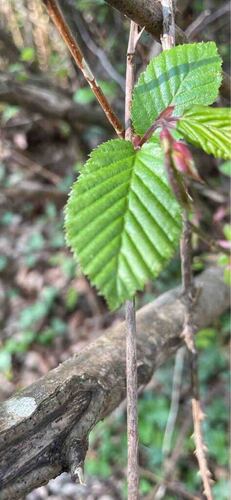
Carpinus, Genus, spp., Multiple species,
- Genus
- Multiple species
hornbeams
Overview
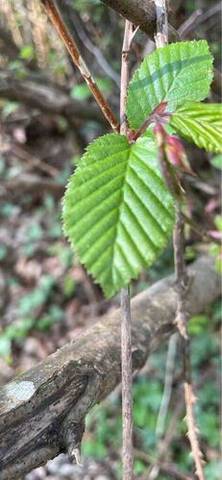
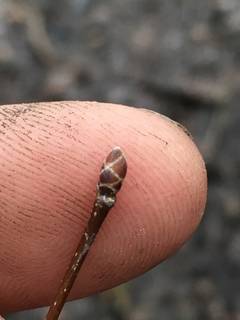
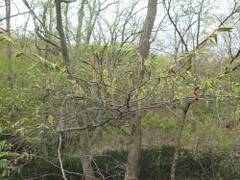
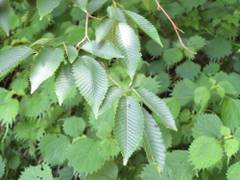
Carpinus is a genus of about 30 to 40 deciduous trees and large shrubs in the birch family, distributed across the temperate Northern Hemisphere with the greatest diversity in East Asia. Plants range from 20 to 80 ft (6-24 m) tall depending on species: the American hornbeam C. caroliniana reaches 20-35 ft (6-11 m), while the European hornbeam C. betulus grows to 40-80 ft (12-24 m). The trunk and limbs carry smooth, grey, sinewy bark with fluted, muscle-like ridges. Leaves are alternate, ovate to oblong, 2-5 in (5-13 cm) long, with doubly serrate margins and 10-15 pairs of straight, deeply impressed veins. The genus is monoecious: pendulous male and female catkins open in spring as the leaves expand. Female catkins develop into hanging clusters of small ribbed nutlets, each held at the base of a three-lobed leafy bract that aids wind dispersal. Autumn foliage turns yellow to orange-red. The wood is dense and hard. Most species grow slowly and tolerate shade, though they need consistently moist, well-drained soil and can suffer in prolonged drought.
Native Range
The genus is native to the temperate Northern Hemisphere, with species spread across Europe, the Caucasus, the Himalayas, eastern Asia, and eastern North America; species diversity is highest in China and Japan.Suggested Uses
Used as shade and street trees, in woodland plantings, and as clipped formal hedges or pleached screens, with hedge specimens spaced 18-36 in (45-90 cm) apart. Smaller species serve as understory or specimen trees in residential gardens.How to Identify
Appearance
Size & Dimensions
Height20' - 80'
Width/Spread20' - 40'
Bloom Information
Catkins open in spring, generally March to May, as the new leaves unfold. Male and female catkins occur on the same tree, with the drooping yellow-green male catkins more conspicuous. Wind carries the pollen, and bract-winged nutlets ripen through summer into autumn.
Detailed Descriptions
Foliage Description
Dark green, turning yellow to orange-red in fallGrowing Conditions
Sun Requirements
Requires 4-8 hours of direct sunlight daily
• Full Sun: 6+ hours of direct sunlight
• Partial Shade: 3-6 hours of direct sunlight
• Full Shade: Less than 3 hours of direct sunlight
Care & Maintenance
Care Guide
Grow in full sun to part shade in moist, well-drained loam; the genus adapts to a range of soil pH from moderately acidic to slightly alkaline. Young trees establish slowly and need regular water for the first several years and during drought. Once established, most species tolerate periodic dryness, heavy pruning, and urban conditions. C. betulus withstands shearing and is used for formal hedges, while C. caroliniana keeps a more open natural form. Hardiness spans USDA zones 3-9 depending on species. Pest and disease problems are minor, though leaf scorch can appear in hot, dry, exposed sites.Pruning
Prune in late winter or mid summer to shape, since the dense wood tolerates repeated cutting and suits hedging and pleaching. Dead, damaged, or crossing branches are removed at the trunk. Cuts made in late spring can bleed sap heavily.Pruning Schedule
Prune: February & July
wintersummer