Image 1 of 14
1 / 14
Plant Reference
Carpinus, Genus, betulus, Species, 'Fastigiata', Cultivar,
- Genus & species
- Cultivar
narrow European hornbeam
Europe and western Asia (the species); 'Fastigiata' is a cultivar selected for its narrow upright form
Overview
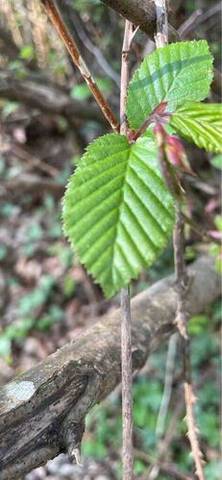
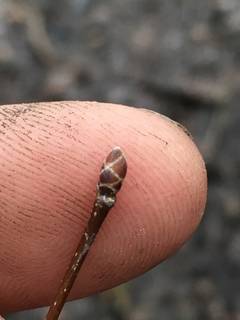
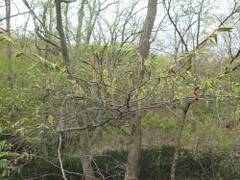
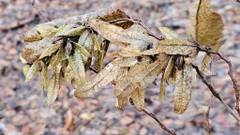
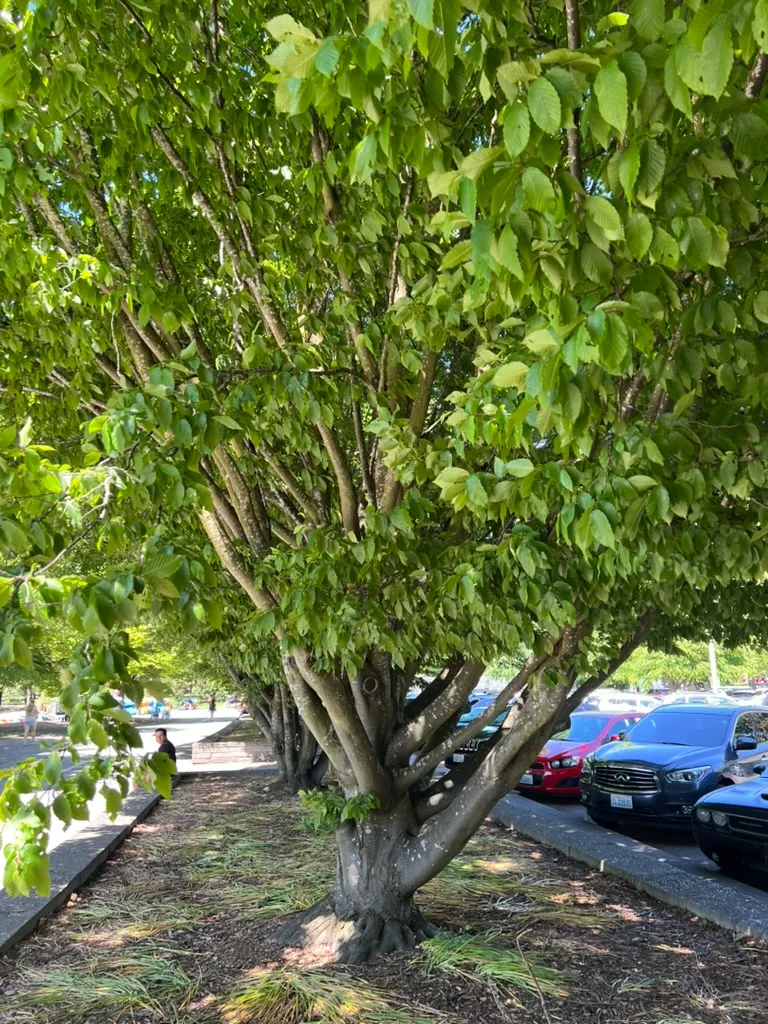
Carpinus betulus 'Fastigiata' is narrow European hornbeam (pyramidal hornbeam), a deciduous tree growing 35-50 feet (10.5-15 m) tall and 20-30 feet (6-9 m) wide with a pyramidal to columnar form. Bright green ovate leaves with prominent parallel veins and doubly serrated margins, 2-5 inches (5-13 cm). Turns yellow to orange-yellow in fall. Marcescent — dead leaves persist through winter on young trees and hedged specimens, dropping when new growth pushes them off in spring. Smooth gray fluted (muscular-looking) bark. Greenish catkins in April-May. In Betulaceae. 'Fastigiata' starts narrowly pyramidal when young but broadens with age — mature specimens can reach 20-30 feet (6-9 m) wide. This broadening with age is the primary limitation for sites requiring a permanently narrow silhouette. The columnar cultivar 'Frans Fontaine' maintains a tighter form at maturity. Tolerates a wide range of soils including alkaline clay (pH 5.5-8.0). Tolerates urban conditions — air pollution, compacted soil, and restricted root zones. The marcescent foliage makes hornbeam hedges a year-round visual screen. Deer-resistant. Drought-tolerant once established. Non-toxic. Zones 4-8. Full sun to partial shade. Growth rate is moderate.
Native Range
The species C. betulus is native to Europe and western Asia. 'Fastigiata' is a cultivar selected for its narrow upright form.Suggested Uses
Grown as a street tree, formal hedge (marcescent — year-round screen), and specimen tree in residential and institutional landscapes spaced 20-30 feet (6-9 m). Tolerates urban conditions and alkaline clay. Broadens with age — 'Frans Fontaine' for tighter form. Deer-resistant. Non-toxic. Zones 4-8.How to Identify
Appearance
Size & Dimensions
Height35' - 50'
Width/Spread20' - 30'
Bloom Information
Mid spring (April-May). Greenish pendulous catkins 1-3 inches (2.5-7 cm) — male and female separate on the same tree (monoecious). 3 weeks of catkin display. Wind-pollinated. Small nutlets in papery 3-lobed bracts follow in fall.
Detailed Descriptions
Flower Description
Greenish, in pendulous catkins 1-3 inches (2.5-7 cm) — male and female catkins separate on the same tree (monoecious)Foliage Description
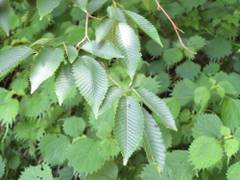
Bright green, ovate with prominent parallel veins and doubly serrated margins, 2-5 inches (5-13 cm) long; turns yellow to orange-yellow in fall; marcescent — dead leaves often persist on the tree through winter, dropping when new growth pushes them off in springGrowing Conditions
Sun Requirements
Requires 4-8 hours of direct sunlight daily
• Full Sun: 6+ hours of direct sunlight
• Partial Shade: 3-6 hours of direct sunlight
• Full Shade: Less than 3 hours of direct sunlight
Care & Maintenance
Care Guide
Full sun to partial shade (4-8 hours). Any well-drained soil pH 5.5-8.0 — tolerates alkaline clay. Tolerates urban conditions (pollution, compacted soil). Drought-tolerant once established. Prune in late summer through fall (August-November). Marcescent — dead leaves persist in winter. Deer-resistant. Non-toxic. Zones 4-8.Pruning
Prune in late summer through fall (August-November) — avoid spring pruning to prevent sap bleeding. Tolerates hard shearing for formal hedges. The marcescent foliage persists on hedged plants through winter. For tree form, develop a strong central leader when young.Pruning Schedule
Prune: August–November
summerfall