Cardamine, Genus, spp., Multiple species,
- Genus
- Multiple species
bittercresses and toothworts
Overview
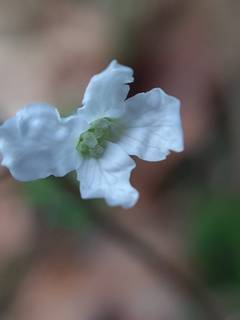
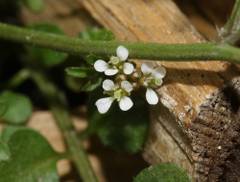
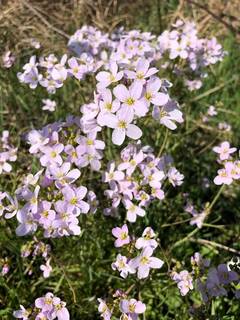
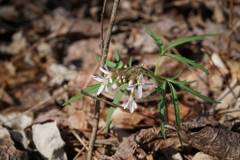
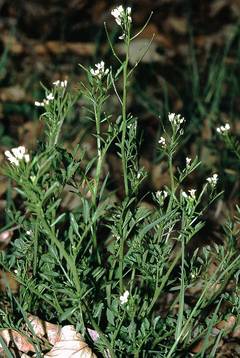
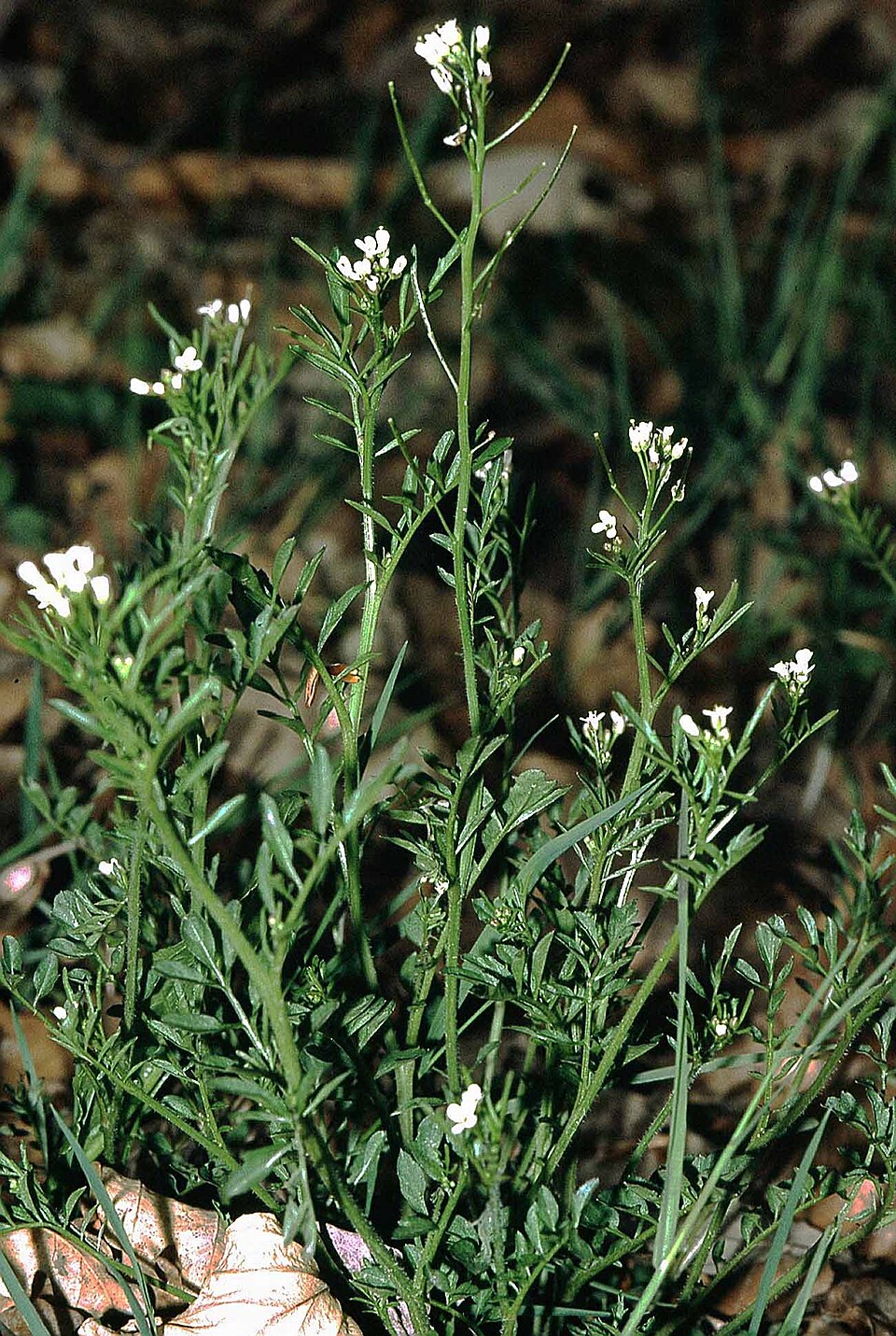
Cardamine is a genus of about 200 species of annual, biennial, and perennial herbs in the mustard family, Brassicaceae, found in moist, often shaded habitats across temperate regions worldwide. The group includes the bittercresses and the woodland toothworts. Plants grow 4 to 24 inches (10 to 60 cm) tall, with basal or stem leaves that are often pinnately divided into rounded or toothed leaflets. The flowers are small and four-petaled in the cross-shaped pattern of the mustard family, white, pink, or pale purple, and 0.2 to 0.6 inch (5 to 15 mm) across, carried in loose clusters in spring. Slender seed pods (siliques) follow and in several species split open explosively, flinging seed several feet. Woodland species such as the toothworts emerge and flower in early spring, then go dormant by summer. Cardamine grows in USDA zones 3 to 9 in moist soil. Several species, including hairy bittercress C. hirsuta, are fast-cycling weeds that self-seed prolifically in gardens, lawns, and containers.
Native Range
Found across temperate regions worldwide in moist woodlands, meadows, streamsides, and disturbed ground. Many species are native to North America, including spring-flowering toothworts of eastern woodlands, while others, such as C. hirsuta, have naturalized as weeds far beyond their native range.Suggested Uses
Woodland species are grown in shade and native plant gardens, where toothworts flower in early spring before the tree canopy closes. The young peppery leaves of bittercress are used in salads. Several species are weeds rather than garden plants and are managed to limit their spread.How to Identify
Appearance
Size & Dimensions
Height4" - 2'
Width/Spread6" - 1'6"
Bloom Information
Flowers in spring, from March into May depending on climate, with white to pink blooms in loose clusters. Woodland toothworts flower very early in spring and fade by early summer. Weedy bittercresses can flower and set seed in repeated cycles through the cooler months.
Detailed Descriptions
Flower Description
white, pink, or pale purpleFoliage Description
greenGrowing Conditions
Sun Requirements
Requires 3-6 hours of direct sunlight daily
• Full Sun: 6+ hours of direct sunlight
• Partial Shade: 3-6 hours of direct sunlight
• Full Shade: Less than 3 hours of direct sunlight
Water & Climate
Water Needs
Care & Maintenance
Care Guide
Grows in partial shade to full sun in moist, humus-rich soil, with woodland species growing in shade and consistent moisture. Dry soil and heat push spring-flowering species into early dormancy. Hardiness spans USDA zones 3 to 9, and most species need no fertilizer in average woodland or garden soil. Weedy bittercresses germinate in cool weather and complete their cycle quickly, so removing them before the pods ripen prevents the explosive seed spread. Few pests or diseases affect the genus. Woodland toothworts spread slowly from rhizomes to form colonies.Pruning
No structural pruning is needed. Weedy bittercresses are pulled or hoed before the seed pods mature to stop the explosive seed spread. Spent foliage of woodland species is left to die back naturally as the plants enter summer dormancy.Container Growing
Suitable for container growing
Minimum container size: 1 gallons