Capsicum, Genus, spp., Multiple species,
- Genus
- Multiple species
peppers
Overview
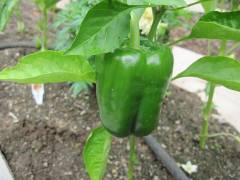
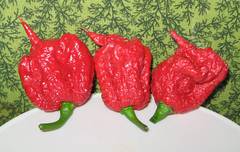
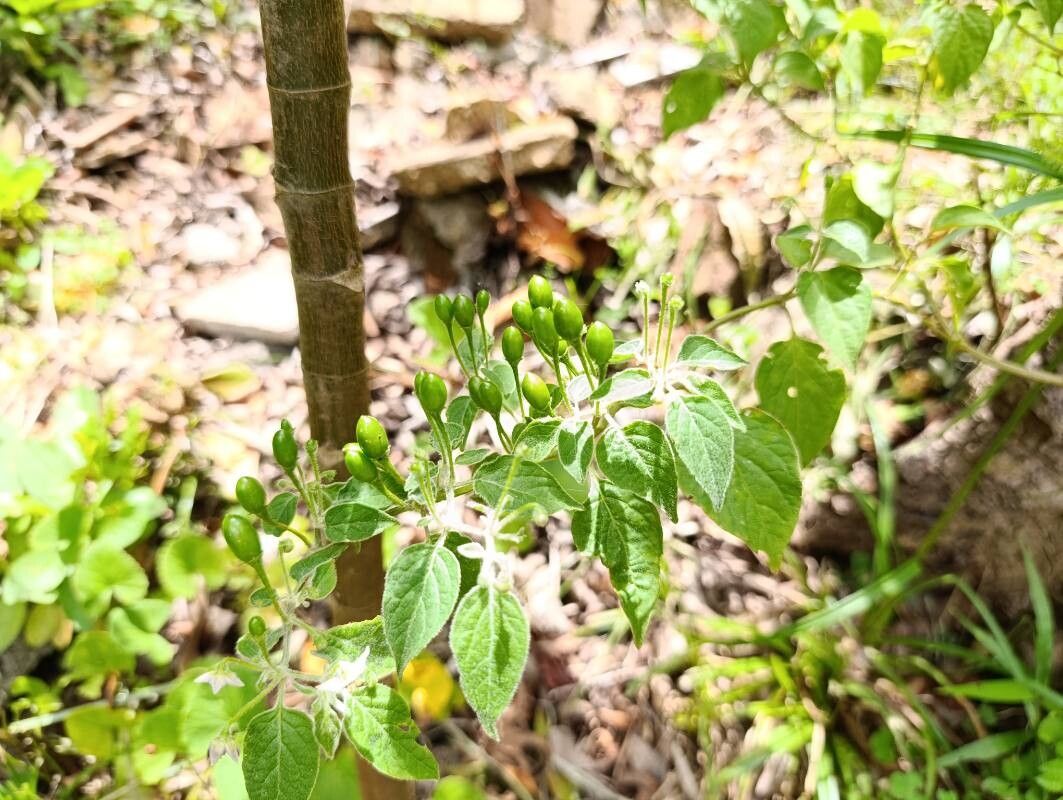
Capsicum is a genus of about 35 species of herbs and shrubs in the nightshade family (Solanaceae), native to the tropical and subtropical Americas and the source of sweet and chili peppers. Plants grow 1–6 feet (30–180 cm) tall on branching stems with smooth, oval green leaves, and are grown as annuals in temperate gardens though they are short-lived perennials in frost-free climates. The small star-shaped flowers are white to greenish, sometimes flushed purple, and nod from the leaf joints. Pollinated flowers form hollow berries, the peppers, which ripen from green to red, yellow, orange, brown, or purple and range from blocky bell shapes to slender pods. Most species carry capsaicin in the fruit, the compound that gives chili peppers their heat, though sweet peppers have little or none. C. annuum includes bell, jalapeño, and cayenne types, while C. chinense includes habanero and the hottest cultivars. Plants need warmth and a long frost-free season, and growth stalls below about 55°F (13°C). Aphids, blossom-end rot, and sunscald affect the crop under stress.
Native Range
The genus is native to the tropical and subtropical Americas, from Mexico and the Caribbean through Central and South America, with the oldest evidence of cultivation in Mexico and the central Andes. Capsicum grows wild in forest edges, scrub, and disturbed ground in warm climates. Peppers have been grown in the Americas for thousands of years and spread worldwide after the 15th century.Suggested Uses
Capsicum is grown in vegetable beds, raised beds, and large containers, spaced 18 inches (45 cm) apart, for fresh, dried, and cooked use. Compact ornamental types are grown for their colorful upright fruit in pots and borders. Peppers are planted near basil, onions, and carrots, and kept away from fennel.How to Identify
Appearance
Size & Dimensions
Height1' - 6'
Width/Spread1' - 3'
Colors
Bloom Information
Flowering begins in early summer once nights stay warm and continues until frost, with white flowers opening in succession at the branch joints. Each flower that sets forms a single pepper. Fruit follows over 60–150 days from transplanting depending on type, ripening from green to its mature color.
Detailed Descriptions
Flower Description
white to greenish, sometimes purpleFoliage Description
green to dark greenGrowing Conditions
Sun Requirements
Requires 6-10 hours of direct sunlight daily
• Full Sun: 6+ hours of direct sunlight
• Partial Shade: 3-6 hours of direct sunlight
• Full Shade: Less than 3 hours of direct sunlight
Water & Climate
Water Needs
Care & Maintenance
Care Guide
Plants grow in full sun on fertile, well-drained loam or sandy soil at a pH of 6.0–6.8, with steady moisture and warmth. Seed is started indoors about 8 weeks before the last frost, and seedlings are set out after the soil reaches 65°F (18°C). Uneven watering and low calcium cause blossom-end rot, while exposed fruit on stripped plants scalds in strong sun. A long, warm season is needed, as growth and fruit set stall below about 55°F (13°C). Excess nitrogen produces leafy plants with few fruit, so feeding is balanced.Pruning
Tall and hot-pepper types are staked or caged as the fruit load builds. Pinching the first flower buds on young transplants directs energy into growth before fruiting. The growing tips of leggy plants are pinched to produce branching.Container Growing
Suitable for container growing