Image 1 of 10
1 / 10
© The original uploader was Random Chaos at English Wikipedia ., some rights reserved (CC-BY) · Wikimedia Commons
Calamagrostis, Genus, ×, Hybrid, acutiflora, Species,
- Genus & species
- Hybrid
Feather reed grass
Overview
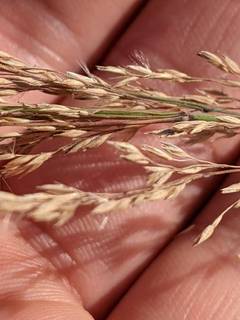
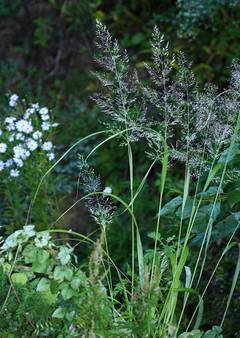
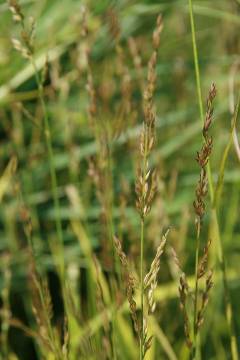
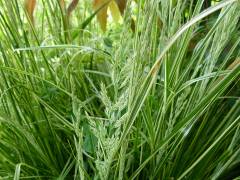
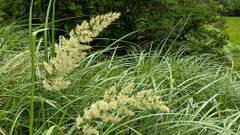
Calamagrostis × acutiflora is a cool-season, clump-forming ornamental grass in the grass family (Poaceae), a hybrid between C. arundinacea and C. epigejos that arose in Europe. Arching leaf blades 12–24 inches (30–60 cm) long and 0.25–0.5 inch (6–12 mm) wide form a mound 18–30 inches (45–75 cm) tall, with a rough-edged, medium green surface. Stiff flower stalks rise 3–5 feet (90–150 cm) in June and carry narrow, upright panicles 6–10 inches (15–25 cm) long that open pinkish-bronze and fade to tan-buff within 3–4 weeks. The panicles and stalks stay upright through winter. Clumps spread 2–3 feet (60–90 cm) wide, and the hybrid produces sterile seed, so plants do not self-sow. Plants are hardy in USDA zones 4–9, tolerate clay soil, and grow in full sun to part shade, though flower stalks lean in shade deeper than 4 hours of sun. Leaves turn tan in October and are cut in late winter. Rust affects foliage in warm, humid summers.
Native Range
Calamagrostis × acutiflora is a natural hybrid of C. arundinacea and C. epigejos, both native to Europe and temperate Asia. The hybrid was first recognized in Europe and has been cultivated in gardens there since the late 19th century.Suggested Uses
Used as a vertical accent in perennial borders and mass plantings, spaced 24–30 inches (60–75 cm) apart, and in rain gardens and on slopes with clay soil. Cut panicles are used fresh and dried in arrangements. Also grown in containers 16–20 inches (40–50 cm) wide.How to Identify
Appearance
Size & Dimensions
Height3' - 5'
Width/Spread2' - 3'
Bloom Information
Flower stalks emerge in late May to June and panicles open by mid-June in zones 5–7. Panicles are pinkish-bronze for 2–3 weeks, then turn tan-buff and remain upright from July through winter. Plants in the cooler zones 4–5 bloom 1–2 weeks later.
Detailed Descriptions
Flower Description
Pinkish-bronze, aging to buffFoliage Description
Medium green, turning tan in fallGrowing Conditions
Sun Requirements
Requires 4-10 hours of direct sunlight daily
• Full Sun: 6+ hours of direct sunlight
• Partial Shade: 3-6 hours of direct sunlight
• Full Shade: Less than 3 hours of direct sunlight
Care & Maintenance
Care Guide
Plants grow in full sun to part shade in clay, loam, or sandy soil with a pH of 5.5–7.5, and tolerate wet clay in spring. Water is applied at 1 inch (25 mm) per week during the first year, and established clumps tolerate 2–3 weeks of dry weather. Hardiness covers USDA zones 4–9. Growth starts in early spring while soil is still cool, and flower stalks form by early June. Clumps are divided every 5–8 years in spring when the center thins. Rust and leaf spot occur in humid summers, and plants in shade lean and flop.Pruning
Foliage and flower stalks are cut to 3–6 inches (7.5–15 cm) in late winter, before new growth reaches 2 inches (5 cm) in March. Stalks are left standing through winter to hold the buff panicles in place. No summer pruning is needed.Pruning Schedule
Prune: February–March
winterearly spring
Container Growing
Suitable for container growing
Minimum container size: 5 gallons