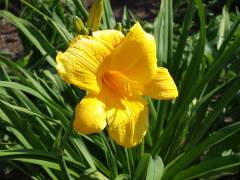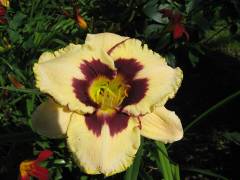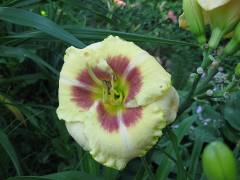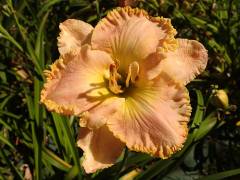
Hemerocallis, Genus, 'Black Ambrosia', Cultivar,
- Genus
- Cultivar
black ambrosia daylily
East Asia (genus origin); cultivar of garden origin
Overview
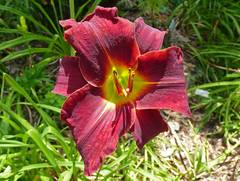
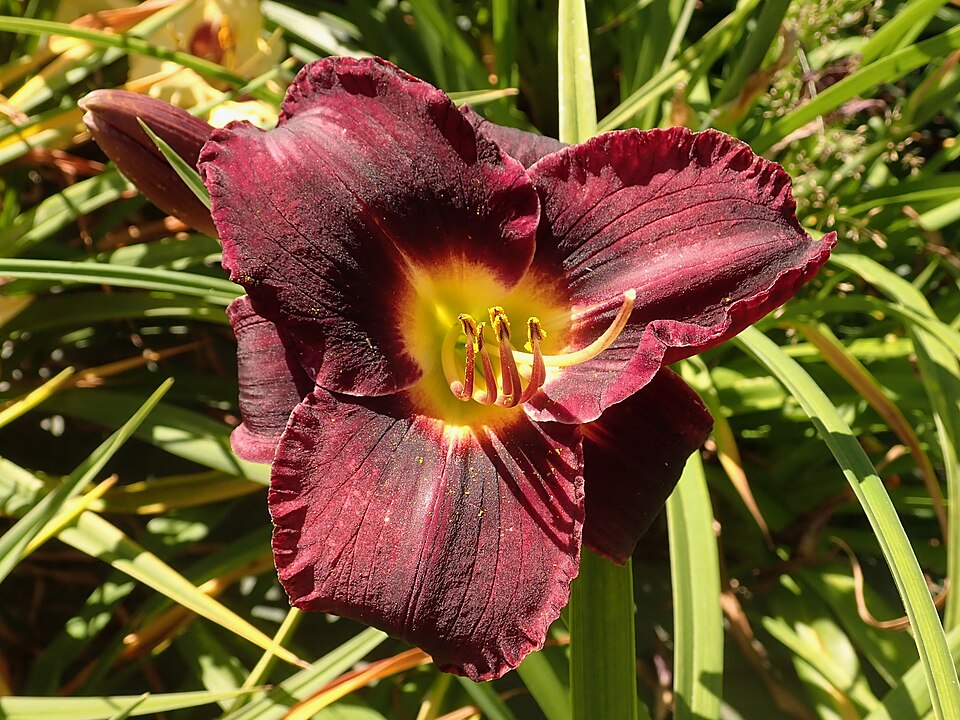
Hemerocallis 'Black Ambrosia' is a clump-forming herbaceous perennial daylily reaching 30-34 inches (75-86 cm) tall in flower and 24-30 inches (60-75 cm) wide at maturity. Strap-shaped, arching foliage is medium to dark green, 18-24 inches (45-60 cm) long and about 0.75 inches (2 cm) wide, emerging in early spring and dying back after the first hard frost. Branched, sturdy scapes carry 18-25 buds; flowers measure 5-6 inches (13-15 cm) across in deep purple-black with a contrasting yellow-green throat, opening one to three at a time per scape. Each individual flower lasts a single day. Mid-season bloom occurs in early to mid-July in zones 5-7, late June in zones 8-9, and into late July in zones 3-4. The cultivar is diurnal (opens at sunrise, closes at dusk). Mature clumps spread by short rhizomes about 2 inches (5 cm) per year. Daylily rust (Puccinia hemerocallidis) is the principal fungal disease in eastern North America. Aphids and spider mites cluster on emerging foliage in dry springs. All parts are toxic to cats, with ingestion of even small amounts causing potentially fatal kidney failure; the genus is non-toxic to humans and dogs.
Native Range
The genus Hemerocallis is native to eastern Asia, including China, Korea, and Japan. 'Black Ambrosia' is a modern garden hybrid registered in 1989 by Dan Trimmer in the United States and does not occur in the wild.Suggested Uses
Used in mixed perennial borders, mass plantings on slopes, and along driveways at 24-30 inch (60-75 cm) spacing. Combines with Echinacea, Rudbeckia, ornamental grasses, and shrubs that share its sun and drainage needs. Container culture is possible in pots of at least 7 gallons (26 L) with rich, well-drained mix; container plants need division every 2-3 years and benefit from winter protection in zones 4-5.How to Identify
Appearance
Size & Dimensions
Height2'6" - 2'10"
Width/Spread2' - 2'6"
Colors
Bloom Information
Blooms early to mid-July in zones 5-7, late June through early July in zones 8-9, and mid- to late July in zones 3-4. Each scape carries 18-25 buds opening successively over 3-4 weeks; total clump bloom spans 3-4 weeks. Each flower lasts a single day. Sustained heat above 95°F (35°C) and prolonged drought reduce bud count and shorten the bloom window.
Detailed Descriptions
Flower Description
deep purple-black with yellow-green throatFoliage Description
medium to dark greenGrowing Conditions
Sun Requirements
Requires 6-10 hours of direct sunlight daily
• Full Sun: 6+ hours of direct sunlight
• Partial Shade: 3-6 hours of direct sunlight
• Full Shade: Less than 3 hours of direct sunlight
Care & Maintenance
Care Guide
Container or bare-root divisions are set with the crown 1 inch (2.5 cm) below soil level in well-drained, humus-rich soil and at least six hours of direct sun. Watering is weekly during the first growing season and during summer dry spells; established plants tolerate brief drought but bloom is reduced under prolonged dry conditions. A 2-3 inch (5-7.5 cm) compost top-dressing in spring supports vigorous growth. Daylily rust is the main disease in eastern North America, identified by orange-yellow pustules on leaf undersides; affected foliage is removed and discarded, not composted. Aphids, spider mites, and gall midge cause cosmetic damage. Clumps are lifted and divided every 4-5 years in early spring or after bloom when the center loses vigor.Pruning
Spent flower scapes are cut to the base after the last bud opens to direct energy back to the crown. Yellowing or damaged leaves can be pulled at any time during the growing season. All foliage is cut to 2 inches (5 cm) above the crown after the first hard frost in fall to remove overwintering rust spores.Pruning Schedule
Prune: July–August & November
summerfall
Container Growing
Suitable for container growing
Minimum container size: 7 gallons