Bidens, Genus, cernua, Species,
- Genus & species
nodding beggarticks
Overview
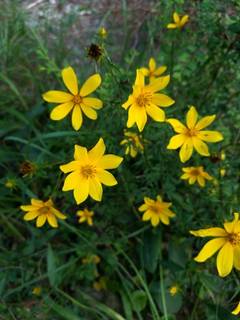
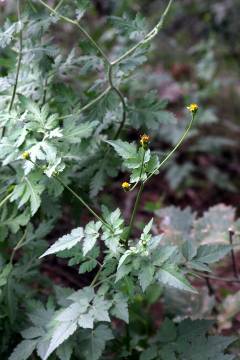
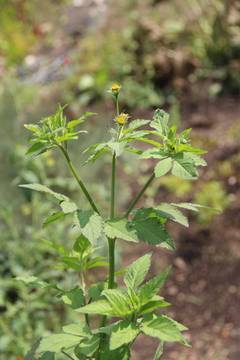
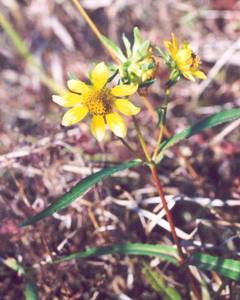
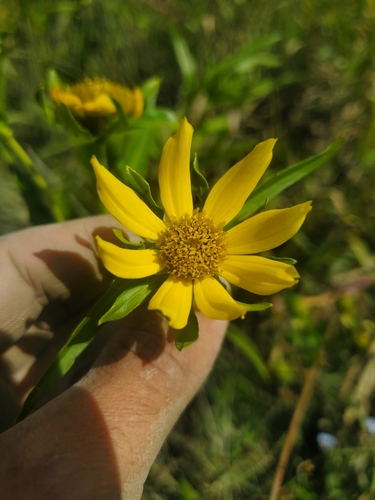
Bidens cernua is an annual of the aster family found in wet ground, growing 6 inches to 3 feet (15-90 cm) tall on smooth, often reddish branching stems. The lance-shaped leaves are stalkless and sometimes clasp the stem in opposite pairs, with toothed margins, 2-6 inches (5-15 cm) long. From late summer into fall it produces yellow flower heads 0.5-1.5 inches (1.2-4 cm) across, each with a button of golden disc florets and usually six to eight short yellow rays; the heads nod downward as they age and as seed ripens. Spreading green bracts form a leafy collar beneath each head. The flattened seeds carry two to four barbed bristles that cling to fur and clothing, spreading the plant widely. Native across the cooler Northern Hemisphere, it grows in marshes, wet meadows, pond edges, ditches, and seasonally flooded ground in full sun. It germinates in spring, flowers in a single season, sets seed, and dies, often forming dense stands on exposed mud. It needs consistently wet to saturated soil and fails in dry sites. The flowers draw bees and other late-season pollinators, and waterfowl and birds eat the seeds.
Native Range
Native across the temperate and boreal Northern Hemisphere, including much of North America, Europe, and Asia. It grows in marshes, wet meadows, shorelines, ditches, and seasonally flooded depressions.Suggested Uses
Used in rain gardens, pond and stream margins, bog gardens, and wetland restorations, spaced about 12 inches (30 cm) apart. Grown to stabilize wet ground and feed pollinators and waterfowl in late season.How to Identify
Appearance
Size & Dimensions
Height6" - 3'
Width/Spread1' - 1'6"
Bloom Information
Detailed Descriptions
Foliage Description
greenGrowing Conditions
Sun Requirements
Requires 6-12 hours of direct sunlight daily
• Full Sun: 6+ hours of direct sunlight
• Partial Shade: 3-6 hours of direct sunlight
• Full Shade: Less than 3 hours of direct sunlight
Water & Climate
Water Needs
Care & Maintenance
Care Guide
Grow in full sun on consistently wet to saturated soil, including pond margins, ditches, and the shallow edges of standing water. The plant tolerates clay, silt, and muck but fails where soil dries out. It is grown from seed sown on bare, moist ground in spring; seed needs light and damp conditions to germinate. No feeding is required in fertile wet soil. Plants complete their cycle in one season and reseed freely. Spent plants are pulled after seed drop to limit spread.Pruning
No pruning is needed on this annual. Plants are pulled after seed set to limit spread, or left standing to feed birds and self-sow. Thinning crowded seedlings in spring improves flowering.Container Growing
Suitable for container growing
Minimum container size: 3 gallons
Toxicity
Non-toxicPlanting Guide
Planting Methods & Timing
Planting Method
direct sow
Direct Sow Timing
early spring on moist bare soil
Days to Maturity
90–120 days
Plant Spacing
12 inches