Bidens, Genus, spp., Multiple species,
- Genus
- Multiple species
beggarticks
Worldwide, with greatest diversity in the Americas
Overview
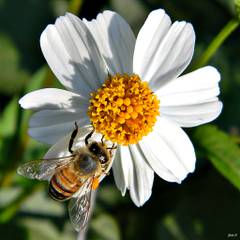
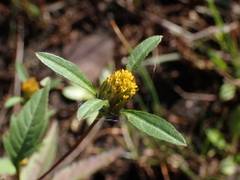
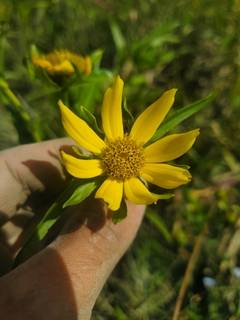
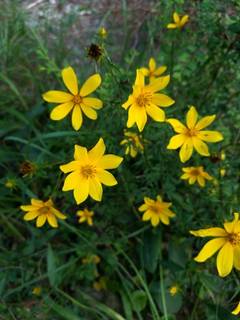
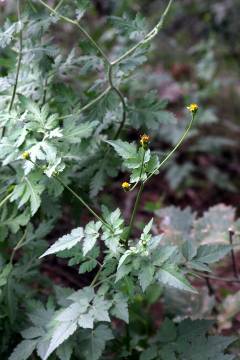
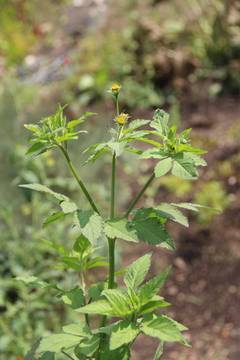
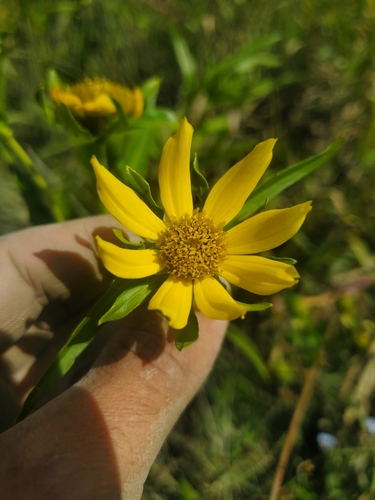
Bidens is a genus of about 150 to 250 species of annual and perennial herbs in the daisy family, Asteraceae, found on most continents and named beggarticks, bur marigolds, or tickseeds. Plants grow 1 to 5 feet (0.3 to 1.5 m) tall on branching stems, with opposite leaves that are toothed, lobed, or divided into leaflets 1 to 4 inches (2.5 to 10 cm) long. The flower heads are daisy-like, 0.5 to 1.5 inches (1 to 4 cm) across, usually with yellow ray florets around a yellow central disk, and white in some species. Each head develops into a cluster of slender, flattened seeds tipped with two to four barbed bristles that catch on fur and clothing, which is the source of the common name. Bidens grows in a wide range of climates, from USDA zones 8 to 11 for tender perennial types to colder zones for annual species, and favors moist, open ground. Several species, such as B. pilosa and B. frondosa, are aggressive weeds that spread quickly by clinging seed.
Native Range
Found on most continents, with the greatest number of species in the Americas. Several beggarticks are native to North America, growing in wet meadows, ditches, and along ponds and streams, while others have naturalized far beyond their native range.Suggested Uses
Cultivated species such as B. ferulifolia are grown in containers, hanging baskets, and the front of sunny borders for season-long yellow flowers. Native species are used in rain gardens, pond margins, and wildlife plantings, where the seeds feed birds. Weedy species are managed rather than planted.How to Identify
Appearance
Size & Dimensions
Height1' - 5'
Width/Spread1' - 3'
Bloom Information
Flowers from summer into fall, with many heads opening in succession over a long season. Bloom continues until frost in mild climates, and cultivated trailing types flower from late spring through fall. Seed sets quickly after each flush and clings to passing animals.
Detailed Descriptions
Flower Description
yellow, sometimes whiteFoliage Description
greenGrowing Conditions
Sun Requirements
Requires 6-8 hours of direct sunlight daily
• Full Sun: 6+ hours of direct sunlight
• Partial Shade: 3-6 hours of direct sunlight
• Full Shade: Less than 3 hours of direct sunlight
Water & Climate
Water Needs
Care & Maintenance
Care Guide
Grows in full sun in moist, average soil, and many species tolerate wet ground and seasonal flooding. Cultivated types flower most freely with steady moisture and a sunny site, slowing in heat-stressed, dry soil. Hardiness ranges from USDA zones 8 to 11 for tender perennials to colder limits for hardy annuals. Light feeding sustains container plants over a long season. Self-seeding can be heavy, and the clinging seeds carry the plant into nearby beds. No serious pests or diseases affect the genus in most settings.Pruning
Cultivated trailing types are sheared back midseason to renew growth and prompt more flowers. Spent or weedy plants are pulled before the barbed seeds mature to limit spread. No structural pruning is needed.Container Growing
Suitable for container growing
Minimum container size: 2 gallons