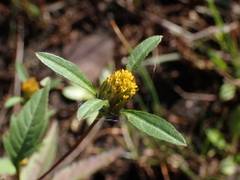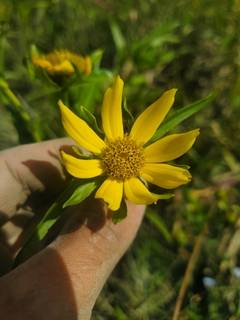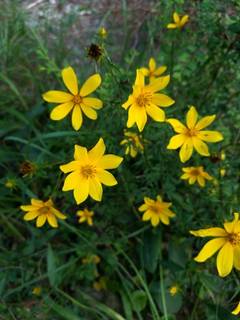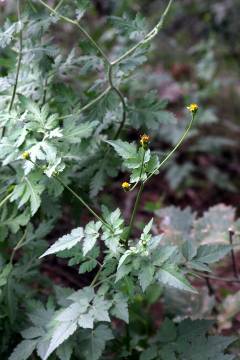
© Bob Peterson from North Palm Beach, Florida, Planet Earth!, some rights reserved (CC-BY-SA) · Wikimedia Commons
Bidens, Genus, alba, Species,
- Genus & species
Spanish needles
Caribbean, Central America, tropical North America (Mexico, Florida); widely naturalized in tropics and subtropics
SunFull Sun – Part Shade
Overview
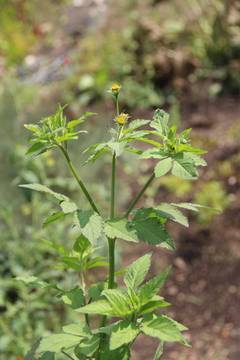
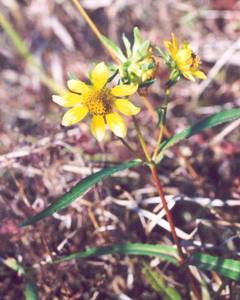
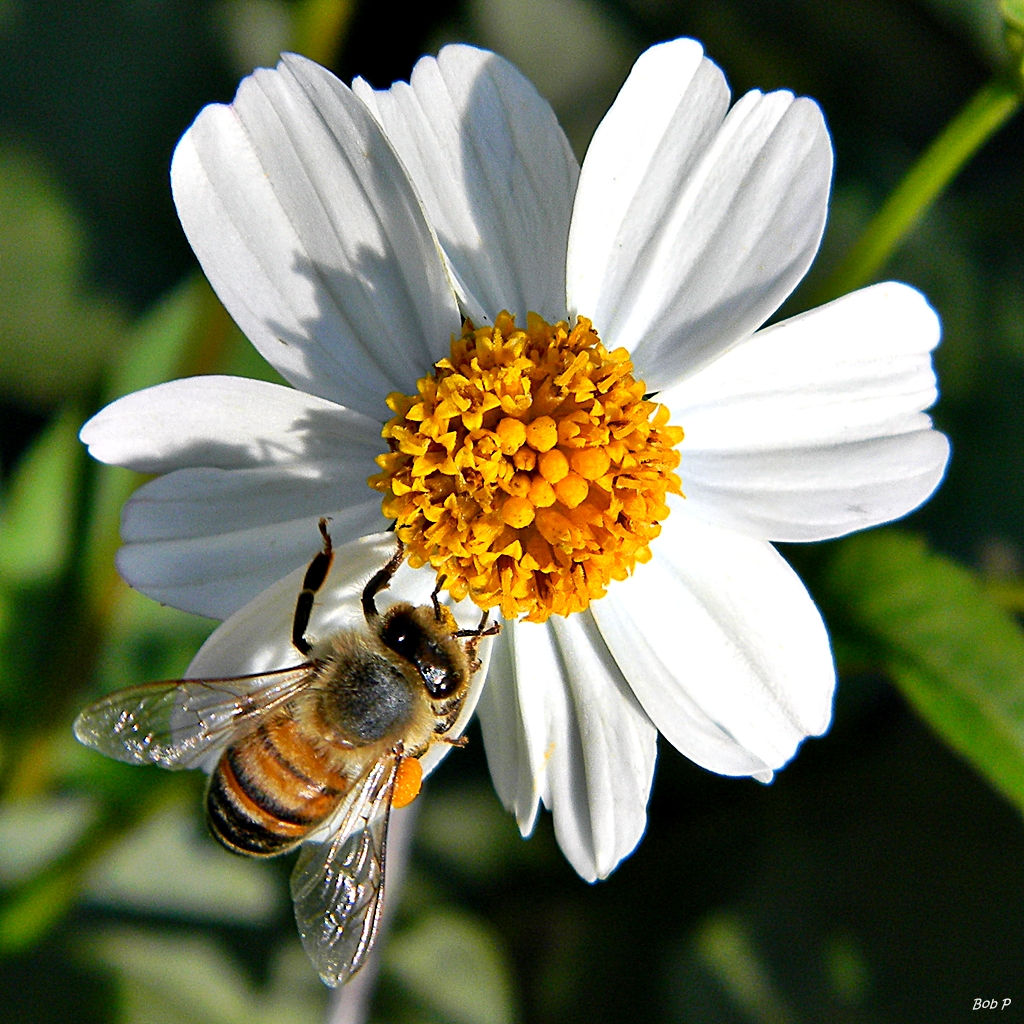
A fast-growing annual or short-lived perennial (zones 9–11) reaching 24–48 inches (60–120 cm) tall and 18–30 inches (45–75 cm) wide. Stems erect to sprawling, branching freely, green to purple-tinged, square in cross-section. Leaves opposite, pinnately compound with 3–5 leaflets or simple in upper portions, each leaflet 1–2.5 inches (2.5–6 cm) long, toothed, medium green. Daisy-like flower heads 0.75–1 inch (2–2.5 cm) across with 5–8 white ray florets surrounding a yellow disc; produced continuously from late spring through frost. Fruit an achene with 2–4 barbed awns 0.2–0.4 inch (5–10 mm) long that adhere readily to clothing and animal fur. Produces hundreds of seeds per plant; self-seeds prolifically and can become invasive in warm climates. In frost-free zones, grows as a spreading perennial shrub.
Native Range
Native to the Caribbean, Central America, and tropical North America, including Mexico and Florida. Widely naturalized throughout the tropical and subtropical world, including southern Africa, Asia, and Pacific islands. In the United States, naturalized in Florida, the Gulf Coast, and Hawaii, where it grows in disturbed roadsides, fields, and waste ground.Suggested Uses
Used in naturalized meadow plantings and pollinator gardens as a continuous-blooming nectar source. One of the primary nectar plants for honeybees and native bees in warm climates. The barbed seed heads are problematic near pedestrian areas or pet runs; plant in locations where seed spread is acceptable. In zones 9–11, requires containment to prevent invasive spread into natural areas.How to Identify
Appearance
Size & Dimensions
Height2' - 4'
Width/Spread1'6" - 2'6"
Bloom Information
Blooms from late spring through frost in annual culture, typically May through November in zones 6–9. In frost-free zones 9–11, blooms year-round. Individual flower heads last 3–5 days; plants produce new heads continuously at branch tips throughout the growing season.
Detailed Descriptions
Flower Description
White rays with yellow disc centerFoliage Description
Medium green, pinnately compound, toothed leafletsGrowing Conditions
Sun Requirements
Requires 6-12 hours of direct sunlight daily
• Full Sun: 6+ hours of direct sunlight
• Partial Shade: 3-6 hours of direct sunlight
• Full Shade: Less than 3 hours of direct sunlight
Water & Climate
Water Needs
Drought Tolerance
Drought tolerant when established
Care & Maintenance
Care Guide
Direct sow after last frost or transplant established plants after soil warms to 60°F (16°C). Grows in a wide range of soils including poor, dry, and disturbed ground; performs in nutrient-poor conditions without supplemental fertilizer. Water during establishment; established plants are drought tolerant and require no irrigation in areas receiving 1 inch (2.5 cm) or more of rainfall per week. No significant pest or disease problems in most regions. Deadhead or remove plants before seed matures to prevent prolific self-seeding; a single plant can produce 3,000–6,000 seeds. In zones 9–11, plants spreading beyond intended areas may be difficult to control due to vigorous resprouting from root crowns after cutting.Pruning
Cut back by half in midsummer if plants become sprawling, to encourage compact regrowth and fresh flowering. Remove or deadhead before seeds mature to reduce self-seeding. In zones 9–11, cut to 6–8 inches (15–20 cm) in late winter to renew growth. In frost-prone zones, plants are killed by frost and do not require overwintering pruning.Pruning Schedule
Prune: July–August
summer
Toxicity
Non-toxicPlanting Guide
Planting Methods & Timing
Planting Method
direct sow
Direct Sow Timing
Direct sow after last frost when soil temperature reaches 60°F (16°C).
Days to Maturity
55–70 days
Plant Spacing
18 inches
Companion Planting
Good Companions