Bidens, Genus, bipinnata, Species,
- Genus & species
Spanish needles
North America and widely naturalized
SunFull Sun – Part Shade
WaterMedium
Overview
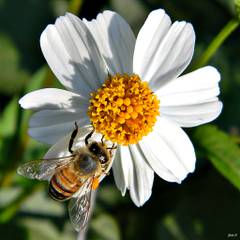
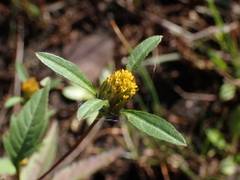
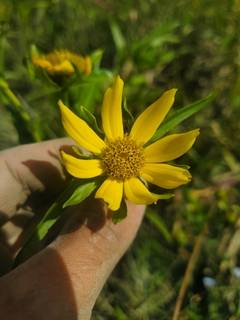
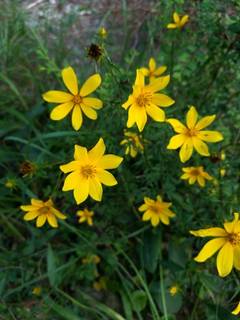
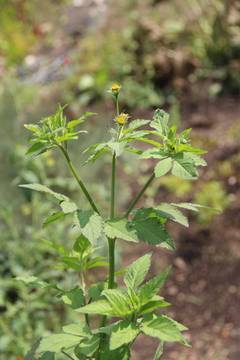
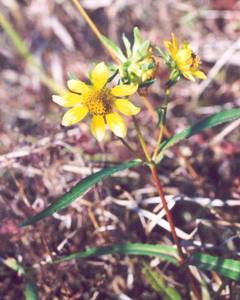
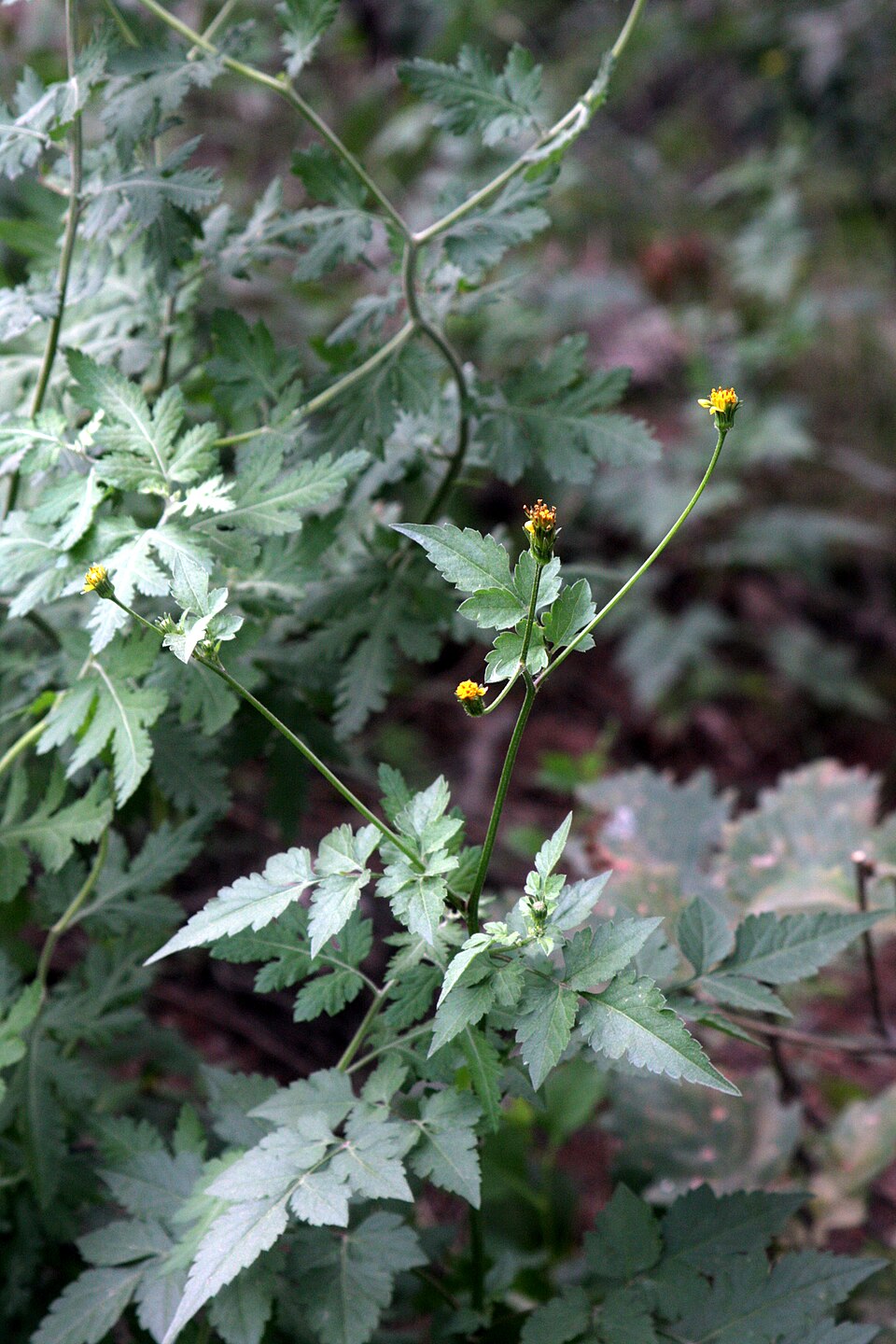
Bidens bipinnata is an erect annual in the aster family, native to North America and now naturalized across warm regions worldwide. Branching stems grow 12-40 inches (30-100 cm) tall, carrying opposite leaves that are bipinnately divided into many small, toothed segments, giving a ferny outline. From summer into autumn, the stems bear small flower heads about 0.25-0.5 inch (6-13 mm) wide, each with a few short, pale yellow rays around a yellow disk. As the heads mature, they form clusters of slender, four-angled black seeds (achenes) tipped with two to four barbed prongs. These prongs catch on fur, feathers, and clothing, which scatters the seed widely and gives the plant its common name. The species grows in full sun to partial shade on disturbed, moist to average soils, and behaves as a weed of gardens, fields, and roadsides. It self-sows heavily and can crowd open ground in a single season. As an annual, the whole plant dies after seeding. The flowers draw small bees and other pollinators in late summer.
Native Range
Native to North America, from the eastern and central United States south through Mexico, and naturalized across Asia, Africa, Europe, and the Pacific. It grows in disturbed ground, gardens, fields, woodland edges, and roadsides.Suggested Uses
Grown rarely by design; used occasionally as a late-season nectar source in wild and naturalized areas. In pollinator plots, it adds summer-to-autumn bloom on poor soil. Most often it appears on its own in disturbed ground and gardens.How to Identify
Appearance
Size & Dimensions
Height1' - 3'4"
Width/Spread8" - 1'6"
Bloom Information
Detailed Descriptions
Flower Description
Small yellow flower heads with few short raysFoliage Description
Green, bipinnately divided into small segmentsGrowing Conditions
Sun Requirements
Requires 5-10 hours of direct sunlight daily
• Full Sun: 6+ hours of direct sunlight
• Partial Shade: 3-6 hours of direct sunlight
• Full Shade: Less than 3 hours of direct sunlight
Water & Climate
Water Needs
Care & Maintenance
Care Guide
Grows in full sun to partial shade on average to moist, disturbed soil, and needs no special care. Water during drought to keep plants growing, though the species tolerates short dry spells. It self-sows heavily, so remove flower heads before the barbed seeds form where spread is unwanted. No fertilizer is needed, as the plant grows readily on poor ground. As an annual, plants die after setting seed and do not return except from self-sown seedlings. Pulling young plants before they flower is the simplest control.Pruning
Remove flower heads before the barbed seeds form to limit self-seeding. Pull or cut whole plants before seed sets for control. No pruning is needed for plant health.Container Growing
Suitable for container growing
Minimum container size: 2 gallons
Toxicity
Non-toxicPlanting Guide
Planting Methods & Timing
Planting Method
direct sow
Direct Sow Timing
Self-sows readily; seed germinates in spring. Rarely sown intentionally.
Plant Spacing
12 inches