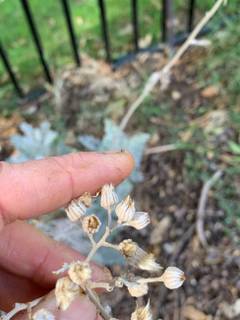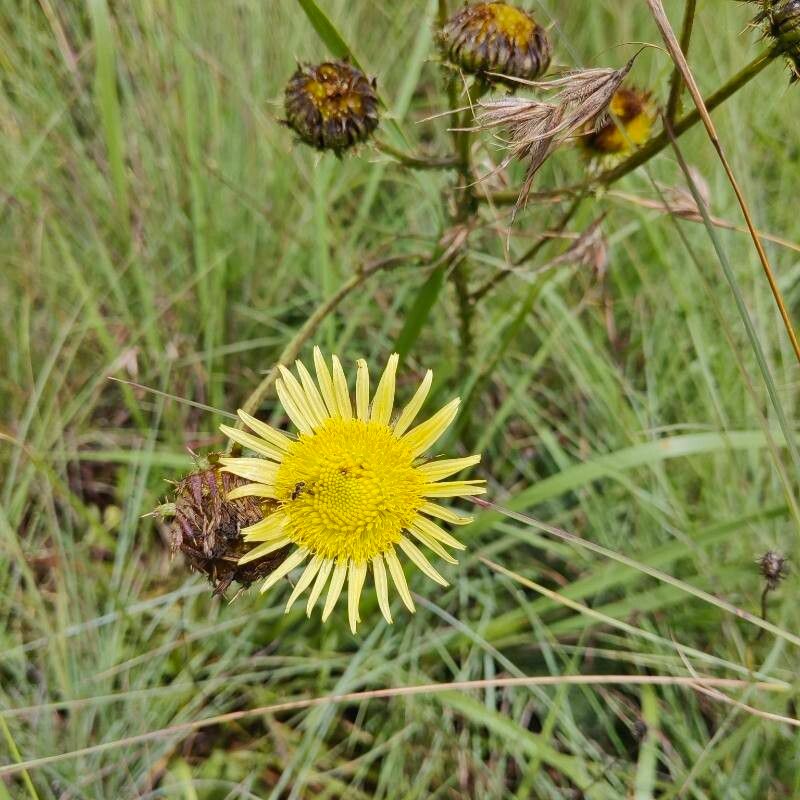
Berkheya, Genus, spp., Multiple species,
- Genus
- Multiple species
African thistles
Southern Africa, with extensions into tropical Africa and Arabia
Overview
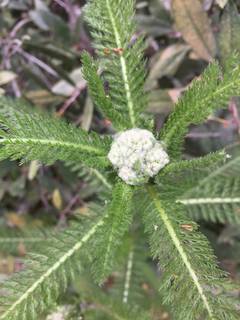
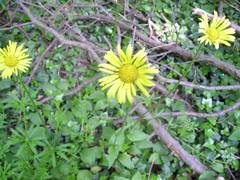
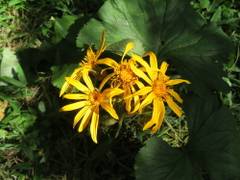
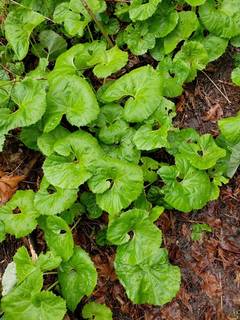
Berkheya is a genus of about 75 species of spiny, thistle-like plants in the daisy family Asteraceae, the majority native to southern Africa. Most are clump-forming perennials, though the genus also includes annuals and woody-based subshrubs. Stems rise 1 to 6 feet (30 to 180 cm) tall above a basal cluster of deeply lobed leaves edged and often surfaced with sharp spines, the foliage frequently grey-green or white-felted beneath. The flower heads are typical of the family, with a central disc ringed by ray florets, and measure 1 to 4 inches (2.5 to 10 cm) across in shades of yellow, orange, purple, or white. Spiny bracts surround each head. Plants flower mainly through summer and draw bees and other insects to the open blooms. The genus occupies grassland, rocky slopes, and mountain habitats from the winter-rainfall Cape to summer-rainfall regions further north, with a few species reaching tropical Africa and Arabia. B. purpurea and B. multijuga are grown in gardens for their spiny foliage and large heads. The sharp spines along the leaves and stems make the plants awkward to handle, and many species are short-lived, persisting through self-sown seedlings rather than long-lived crowns.
Native Range
Berkheya is centered in southern Africa, especially South Africa, with the greatest concentration of species in the Cape and Drakensberg regions. A smaller number of species extend into tropical Africa and the Arabian Peninsula.Suggested Uses
Berkheya is grown in dry borders, gravel gardens, and wildlife plantings for its spiny foliage and daisy heads. The armed leaves also make it a barrier planting in sunny, well-drained sites.How to Identify
Appearance
Size & Dimensions
Height1' - 6'
Width/Spread1' - 3'
Bloom Information
Most Berkheya flower through summer, roughly June to September in the Northern Hemisphere, with the timing shifting in their native southern-hemisphere range. Each clump produces a succession of heads over several weeks. Bees and other insects visit the open flowers.
Detailed Descriptions
Flower Description
Yellow, orange, purple, or whiteFoliage Description
Grey-green, often white-felted beneathGrowing Conditions
Sun Requirements
Requires 6-12 hours of direct sunlight daily
• Full Sun: 6+ hours of direct sunlight
• Partial Shade: 3-6 hours of direct sunlight
• Full Shade: Less than 3 hours of direct sunlight