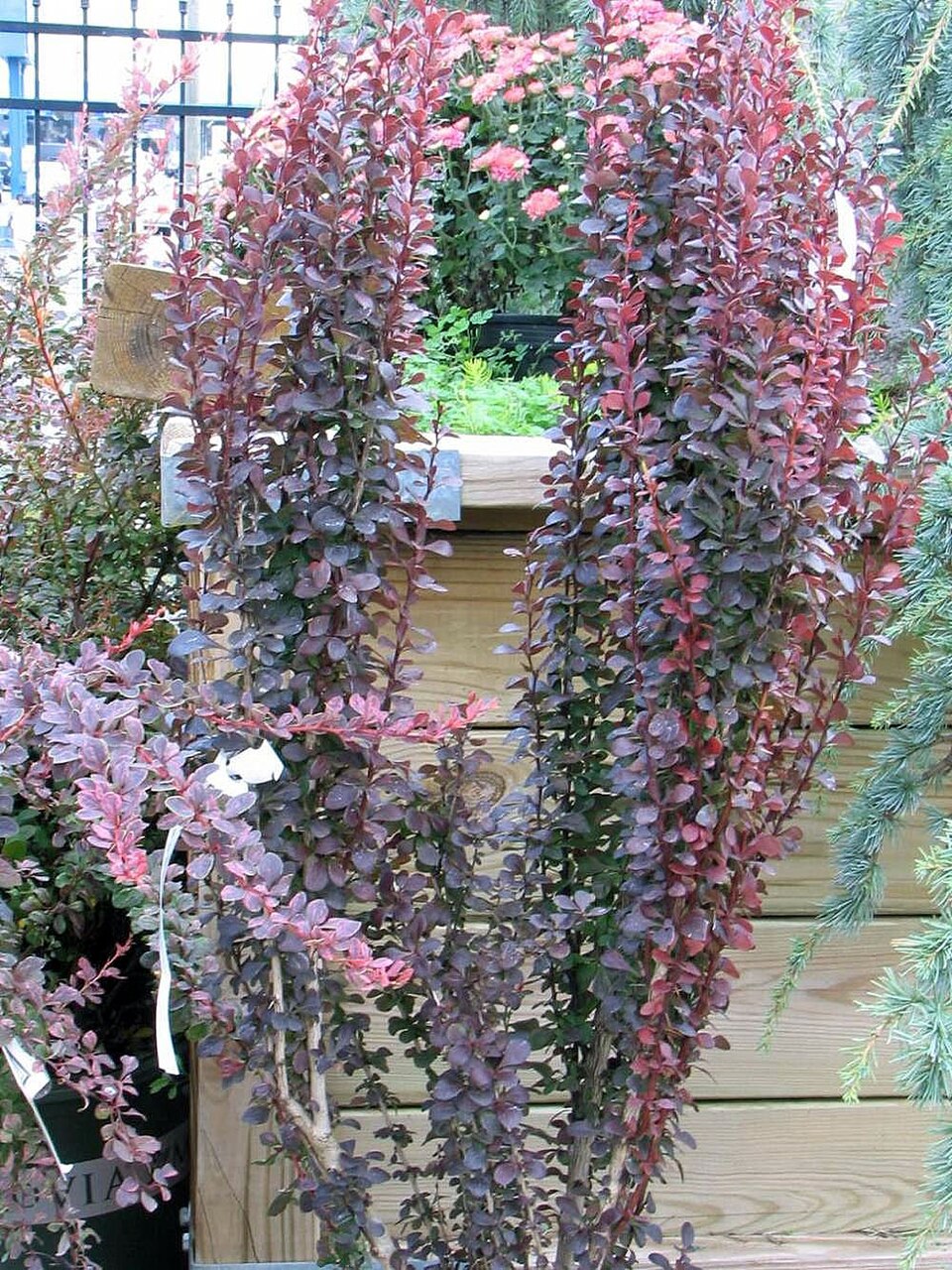
Berberis, Genus, thunbergii, Species, f., Form, 'Helmond Pillar', Cultivar,
- Genus & species
- Form
- Cultivar
Helmond pillar barberry
Species native to Japan; cultivar selected in the Netherlands
Overview
Berberis thunbergii f. 'Helmond Pillar' is a narrow, columnar deciduous shrub reaching 4–5 feet (1.2–1.5 m) tall with a spread of 18–24 inches (45–60 cm). Also sold under the synonym 'Red Pillar', this cultivar combines a columnar growth form with deep reddish-purple foliage. Leaves are small, obovate, 0.5–1 inch (1.3–2.5 cm) long, emerging deep crimson in spring and maturing to dark reddish-purple through summer. Compared to 'Orange Rocket' and 'Rosy Rocket', which have orange-toned or pink new growth, 'Helmond Pillar' holds a consistent reddish-purple tone across the season. Stems are erect, densely branched, and armed with single sharp spines. Pale yellow flowers 0.2–0.3 inch (5–8 mm) across appear in April–May. Small red berries ripen in September–October. Growth rate is moderate at 6–10 inches (15–25 cm) per year. The columnar habit widens with age; specimens over 8 years old often reach 24–30 inches (60–75 cm) wide at the top while remaining 18 inches (45 cm) at the base. Fall foliage turns red. B. thunbergii and its cultivars are listed as invasive or restricted in New York, Pennsylvania, Minnesota, New Hampshire, Maine, Massachusetts, and several other northeastern and midwestern states.
Native Range
The species Berberis thunbergii is native to Japan and possibly eastern China, occurring on mountain slopes, forest margins, and rocky areas. 'Helmond Pillar' was selected in the Netherlands in the 1970s.Suggested Uses
Planted as a vertical accent in borders, foundation plantings, and hedging at 18–24 inch (45–60 cm) spacing. The narrow footprint and dark purple foliage create columnar elements in formal plantings. Functions as a narrow informal hedge or screen. The thorny stems form a barrier. Grows in containers of at least 5 gallons (19 L).How to Identify
Appearance
Size & Dimensions
Height4' - 5'
Width/Spread1'6" - 2'
Bloom Information
Pale yellow flowers appear in clusters of 1–3 along the stems in April–May. Individual flowers are 0.2–0.3 inch (5–8 mm) across. Bloom is sparse and largely concealed by the dense purple foliage. Small red berries 0.3 inch (8 mm) long ripen in September–October.
Detailed Descriptions
Foliage Description
Deep crimson to dark reddish-purpleGrowing Conditions
Sun Requirements
Requires 6-10 hours of direct sunlight daily
• Full Sun: 6+ hours of direct sunlight
• Partial Shade: 3-6 hours of direct sunlight
• Full Shade: Less than 3 hours of direct sunlight
Care & Maintenance
Care Guide
Plant in well-drained soil in full sun for the deepest purple foliage color and tightest columnar form. In partial shade, foliage color lightens toward burgundy-green and the habit opens. Tolerates a wide range of soil types including clay, sand, and alkaline soils. Drought-tolerant once established. The columnar form holds for 6–8 years; older specimens spread at the top to 24–30 inches (60–75 cm). No serious pest or disease problems. B. thunbergii and its cultivars are listed as invasive or restricted in New York, Pennsylvania, Minnesota, and several other states, with sale and planting subject to state regulations.Pruning
Remove outward-splaying stems in early spring to maintain the narrow form. Light shearing after flowering tightens the silhouette. Hard pruning into bare old wood may not regenerate. Selective removal of the widest stems in aging plants restores the columnar form. Stems bear single sharp spines that cause puncture wounds on contact.Pruning Schedule
Prune: March
early spring
Container Growing
Suitable for container growing
Minimum container size: 5 gallons
Toxicity
Non-toxicRelated Berberis species
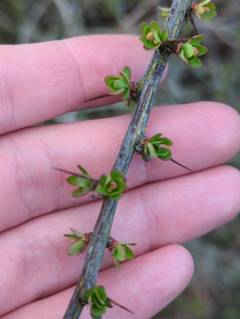 Japanese barberryBerberis thunbergii
 Golden Japanese barberryBerberis thunbergii 'Aurea'
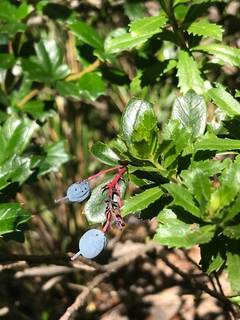 Darwin's barberryBerberis darwinii
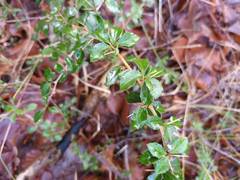 Warty barberryBerberis verruculosa
- Purpleleaf or redleaf Japanese barberryBerberis thunbergii f. atropurpurea
- Helmond Pillar Japanese barberryBerberis thunbergii f. atropurpurea 'Helmond Pillar'