Banksia, Genus, sessilis, Species,
- Genus & species
parrot bush
Overview
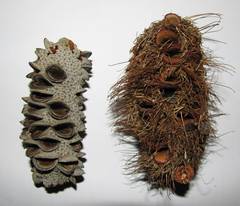
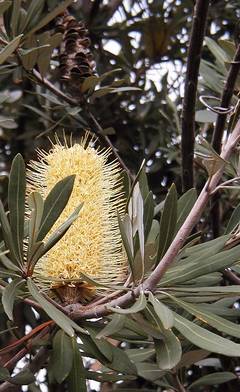
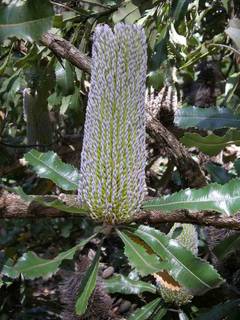
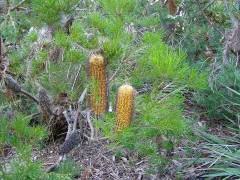
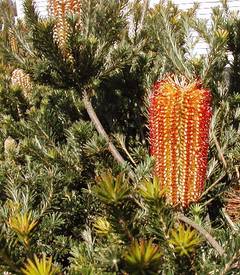
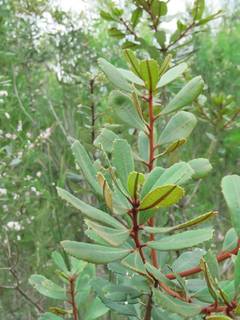
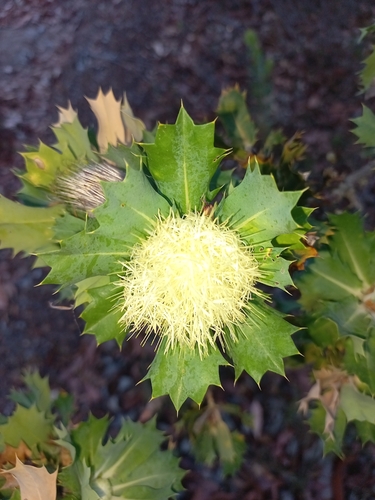
Banksia sessilis is an evergreen shrub to small tree in the Proteaceae family reaching 6-20 feet (2-6 m) tall, with an upright, densely branched habit. The stiff wedge-shaped leaves are 0.4-2 inches (1-5 cm) long with sharp-toothed, holly-like margins. Dome-shaped flower heads 1-1.6 inches (2.5-4 cm) across are packed with cream to pale yellow flowers and sit among the leaves in winter and spring. Woody follicles form in the old heads and open to release winged seed, mostly after fire. Growth is moderate to rapid, and plants reach flowering size in 3-4 years. The species grows on free-draining sandy and gravelly soils and tolerates drought once established, but is highly susceptible to Phytophthora cinnamomi dieback in soils that stay moist. The toothed leaves can prick the skin on contact.
Native Range
Native to southwestern Western Australia, from the coast inland across the wheatbelt and jarrah forest. Grows on sandy and lateritic soils in heath, woodland, and open forest in a dry-summer Mediterranean climate.Suggested Uses
Planted as a screen, windbreak, or barrier shrub on sandy soils in dry-summer climates, spaced 5-8 feet (1.5-2.4 m) apart. The flowers draw honeyeaters and other nectar-feeding birds. The prickly leaves limit its use near paths and seating areas.How to Identify
Appearance
Size & Dimensions
Height6' - 20'
Width/Spread5' - 13'
Bloom Information
Detailed Descriptions
Flower Description
cream to pale yellowFoliage Description
greenGrowing Conditions
Sun Requirements
Requires 6-12 hours of direct sunlight daily
• Full Sun: 6+ hours of direct sunlight
• Partial Shade: 3-6 hours of direct sunlight
• Full Shade: Less than 3 hours of direct sunlight
Care & Maintenance
Care Guide
Grows in full sun on free-draining sandy or gravelly soil and tolerates extended drought once established. Water sparingly while establishing, then little once mature. Proteaceae are sensitive to phosphorus, so phosphorus-rich fertilizers can cause leaf burn and dieback. The species is highly susceptible to Phytophthora cinnamomi root rot, which spreads in moist soils and kills affected plants. Birds feed at the flowers and open the woody follicles for seed.Pruning
Light pruning after flowering keeps the shrub dense and removes spent flower heads. Cutting into old leafless wood regenerates slowly. The sharp-toothed leaves make hand pruning awkward without thick gloves.Pruning Schedule
Prune: November–December
late springsummer