Image 1 of 10
1 / 10
No machine-readable author provided. Casliber assumed (based on copyright claims)., no rights reserved (CC0) · Wikimedia Commons
Banksia, Genus, aemula, Species,
- Genus & species
Wallum banksia
Coastal eastern Australia (Queensland and New South Wales)
Overview
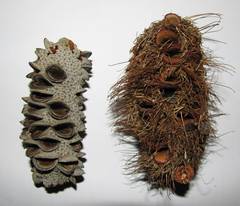
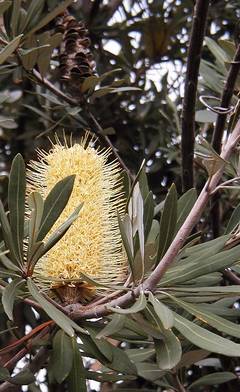
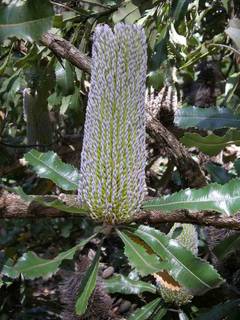
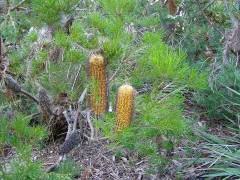
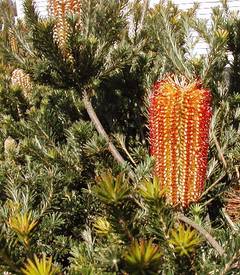
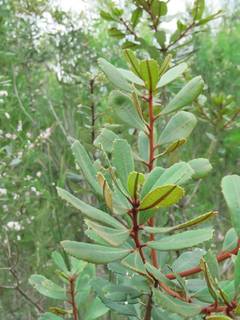
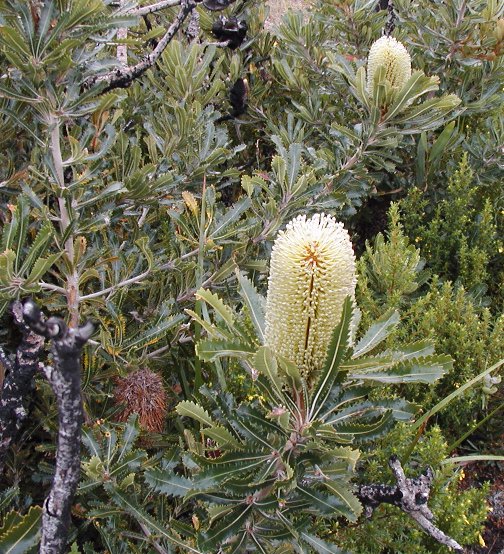
Banksia aemula is an evergreen shrub or small tree reaching 8-16 feet (2.5-5 m) tall, occasionally to 26 feet (8 m), often developing a gnarled, irregular trunk with warty, orange-brown corky bark. Leaves are obovate with a truncate, toothed apex, 1.2-5 inches (3-13 cm) long and 0.4-0.8 inch (1-2 cm) wide, with serrated margins and a glossy dark green upper surface. Cylindrical flower spikes are greenish-yellow, 2-6 inches (5-15 cm) tall and 3-4 inches (8-10 cm) wide, produced mainly in autumn and winter. Spent spikes develop into woody cones bearing raised follicles that open after fire. The species develops a lignotuber and resprouts following bushfire. Growth is slow, with plants reaching flowering size in 5-7 years from seed. Roots include proteoid cluster roots adapted to low-phosphorus soils; the species is damaged by phosphorus fertilizers and is susceptible to Phytophthora cinnamomi root rot in poorly drained sites.
Native Range
Native to coastal eastern Australia from central Queensland to southern New South Wales. Grows in wallum heathland and open woodland on deep, sandy, nutrient-poor soils, typically within 30 miles (50 km) of the coast at low elevations.Suggested Uses
Grown in coastal and low-water native gardens on sandy soils, spaced 6-10 feet (1.8-3 m) apart. Nectar-rich flower spikes draw honeyeaters and other nectar-feeding birds. Grows poorly in heavy clay or in irrigated, fertilized garden beds.How to Identify
Appearance
Size & Dimensions
Height8' - 16'
Width/Spread6' - 13'
Bloom Information
Detailed Descriptions
Foliage Description
dark greenGrowing Conditions
Sun Requirements
Requires 6-10 hours of direct sunlight daily
• Full Sun: 6+ hours of direct sunlight
• Partial Shade: 3-6 hours of direct sunlight
• Full Shade: Less than 3 hours of direct sunlight
Care & Maintenance
Care Guide
Grows in full sun to light shade on free-draining sandy soils. Water through the first 1-2 growing seasons; established plants tolerate extended dry periods. Phosphorus-based fertilizers damage the proteoid root system and can kill plants, so only low-phosphorus native fertilizer is used where feeding occurs. Phytophthora cinnamomi root rot develops in waterlogged or poorly drained soils and causes progressive dieback. Plants resprout from the lignotuber after fire or hard cutting.Pruning
Resprouts from the lignotuber and from epicormic buds along stems after cutting. Light tip pruning after flowering maintains a denser habit. Spent flower spikes can be left to form woody cones or removed without affecting plant health.Pruning Schedule
Prune: July–August
winter