Astrantia, Genus, maxima, Species,
- Genus & species
large masterwort
Caucasus Mountains, northeastern Turkey, northern Iran
Overview
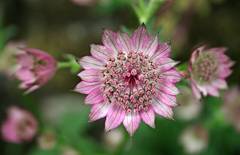
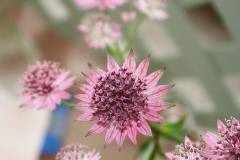
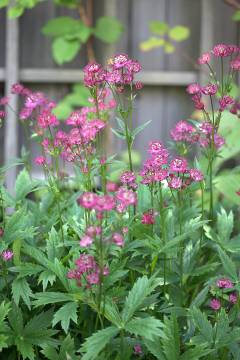
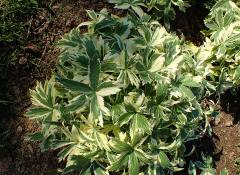
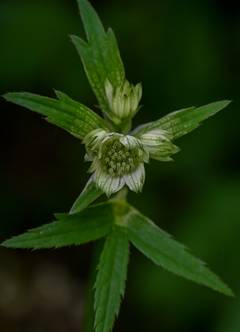
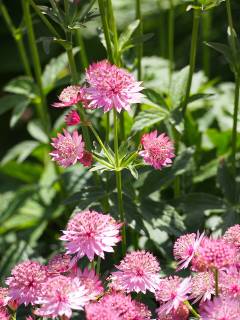
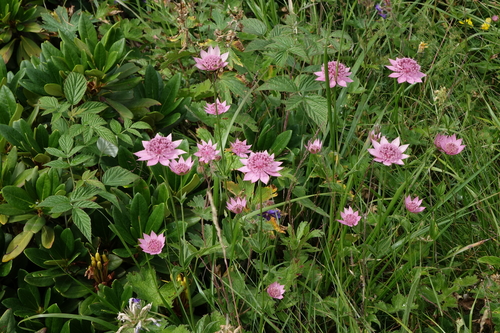
Astrantia maxima is a rhizomatous herbaceous perennial reaching 18–24 inches (45–60 cm) tall with a spread of 18–24 inches (45–60 cm). Unlike the clump-forming A. major, this species spreads by rhizomes, forming loose colonies over time at a rate of 4–8 inches (10–20 cm) per year. Leaves are trifoliate with 3 broad, coarsely toothed leaflets, 2–4 inches (5–10 cm) long, medium green—distinctly different from the 5-lobed palmate leaves of A. major. Flower heads are pincushion-like, 1.5–2 inches (4–5 cm) across, with broad, shell-pink bracts that are wider and more petal-like than those of A. major, creating a more open, daisy-like appearance. The central florets are pale pink. Stems are upright and less branched than A. major. Bloom occurs in June–July, 2–3 weeks earlier than most A. major cultivars. The bloom period is shorter than A. major, typically 3–4 weeks without the reliable rebloom of the latter species. Self-sowing is moderate. The rhizomatous spread may crowd smaller companions in confined borders. Foliage goes dormant earlier than A. major in hot, dry conditions.
Native Range
Astrantia maxima is native to the Caucasus Mountains, northeastern Turkey, and northern Iran. It occurs in subalpine and montane meadows, woodland clearings, and moist grasslands at elevations of 3,000–8,000 feet (900–2,400 m).Suggested Uses
Planted in cottage gardens, woodland edges, and naturalistic plantings at 18–24 inch (45–60 cm) spacing. The rhizomatous habit suits informal and naturalized areas where spreading is acceptable. The broader, more open flower heads and trifoliate foliage provide a different texture than A. major cultivars. Grows in containers of at least 5 gallons (19 L) in a humus-rich mix; container culture controls the rhizomatous spread.How to Identify
Appearance
Size & Dimensions
Height1'6" - 2'
Width/Spread1'6" - 2'
Bloom Information
Shell-pink pincushion flower heads appear in June–July, 2–3 weeks earlier than most A. major cultivars. Individual heads are 1.5–2 inches (4–5 cm) across with broad, petal-like bracts. Bloom duration is 3–4 weeks. A secondary flush is less reliable than in A. major. Self-sowing is moderate.
Detailed Descriptions
Foliage Description
Medium green, trifoliateGrowing Conditions
Sun Requirements
Requires 3-8 hours of direct sunlight daily
• Full Sun: 6+ hours of direct sunlight
• Partial Shade: 3-6 hours of direct sunlight
• Full Shade: Less than 3 hours of direct sunlight
Care & Maintenance
Care Guide
Plant in humus-rich, consistently moist soil in partial shade to full sun. Consistent moisture is essential; this species goes dormant earlier than A. major in dry conditions. The rhizomatous spread requires management in mixed borders; install edging or divide regularly to contain the colony. Divide clumps every 3–4 years in spring. Powdery mildew may develop in humid conditions. Slugs feed on emerging foliage. Mulch with 2 inches (5 cm) of organic material to maintain soil moisture.Pruning
Cut spent flower stems back to the basal foliage after bloom in July. Cut all stems to ground level in late fall or early spring. Remove unwanted rhizomatous spread by digging out peripheral shoots in spring or fall. Rebloom after cutting back is less reliable than in A. major.Pruning Schedule
Prune: March, July & November
summerfallearly spring
Container Growing
Suitable for container growing
Minimum container size: 5 gallons