Astrantia, Genus, major, Species, 'Sunningdale Variegated', Cultivar,
- Genus & species
- Cultivar
Sunningdale variegated masterwort
Parent species {Astrantia major} native to Europe from the Iberian Peninsula east through the Alps and Carpathians to the Caucasus; 'Sunningdale Variegated' was selected at Sunningdale Nurseries in England
Overview
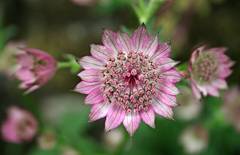
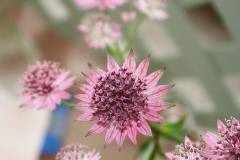
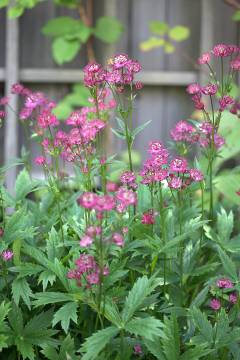
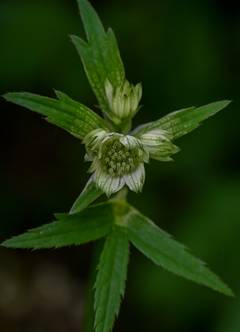
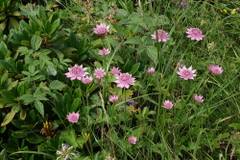
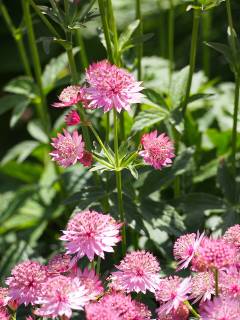
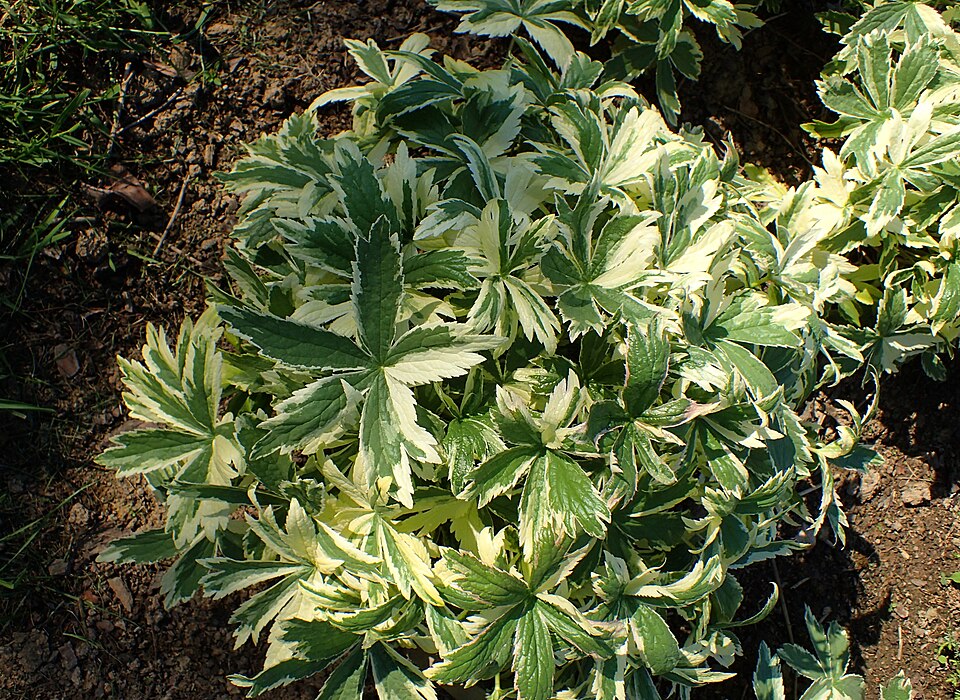
Astrantia major 'Sunningdale Variegated' is a clump-forming herbaceous perennial cultivar in the family Apiaceae, reaching 24-30 inches (60-75 cm) tall with a spread of 18-24 inches (45-60 cm). The cultivar was selected at Sunningdale Nurseries in England and is grown primarily for its variegated foliage. Palmately lobed leaves 3-6 inches (8-15 cm) across emerge in spring with bold cream to pale yellow margins and splashes against a green leaf surface; each leaf carries 3-5 deeply toothed lobes. Variegation is most saturated in spring and early summer and the cream markings often fade toward pale green by mid-summer, particularly in warm conditions or heavy shade. Pincushion-like flower heads 1-1.5 inches (2.5-4 cm) across open June through August with pale pink to white bracts tipped green and pale pink florets; stems are upright and wiry. The foliage variegation is the primary feature; flowers are a secondary interest. The plant self-sows, but seedlings come up plain green and do not reproduce the variegation, so division is the only method that maintains the cream-splashed foliage. In hot climates the cream-margined portions — which carry less chlorophyll — can scorch before the green leaf tissue shows stress.
Native Range
Astrantia major is native to Europe from the Iberian Peninsula east through the Alps and Carpathians to the Caucasus, where it grows in mountain meadows, woodland clearings, and stream banks at 1,000-6,500 feet (300-2,000 m) elevation. The cultivar 'Sunningdale Variegated' was selected at Sunningdale Nurseries in England and does not occur in wild populations.Suggested Uses
Planted in shaded borders and woodland gardens at 18-24 inch (45-60 cm) spacing, where the spring and early-summer variegation brightens shaded areas. The cream-splashed foliage contrasts with the uniformly dark green leaves of Dryopteris ferns and Hosta cultivars. Grown in containers of 5 gallons (19 L) or more in a humus-rich mix; container culture supports precise light control. Not suited to full sun in warm climates, dry exposed sites, or deep shade where variegation fades.How to Identify
Appearance
Size & Dimensions
Height2' - 2'6"
Width/Spread1'6" - 2'
Bloom Information
Pale pink to white pincushion flower heads 1-1.5 inches (2.5-4 cm) across with green-tipped bracts open from June through August, averaging 6 weeks of bloom. Cutting stems back after the first flush can support a secondary bloom later in the season. Self-sown seedlings from seed dispersal carry plain green foliage and do not reproduce the variegation.
Detailed Descriptions
Flower Description
pale pink to white with green-tipped bracts; pincushion-like flower heads 1-1.5 inches (2.5-4 cm) acrossFoliage Description
green with bold cream to pale yellow margins and splashes; palmately lobed leaves 3-6 inches (8-15 cm) across with 3-5 deeply toothed lobesGrowing Conditions
Sun Requirements
Requires 3-6 hours of direct sunlight daily
• Full Sun: 6+ hours of direct sunlight
• Partial Shade: 3-6 hours of direct sunlight
• Full Shade: Less than 3 hours of direct sunlight
Care & Maintenance
Care Guide
Plant in humus-rich, consistently moist soil with a pH of 5.5-7.5 in part shade where variegation is most saturated; tolerated soil types include loam, clay, chalk, and peat. Full sun scorches the cream leaf margins in warm climates, and deep shade fades the variegation faster. Morning sun with afternoon shade is the working compromise. Self-sown seedlings are plain green and are removed to keep them from crowding the variegated parent. Clumps are divided every 3-4 years in spring; division is the only propagation method that maintains the variegation. Powdery mildew develops in humid conditions with poor air circulation. Slugs feed on emerging foliage in spring.Pruning
Spent flower stems are cut back to the basal foliage mound after the first flush in July to maintain the focus on the variegated foliage and to prevent self-sowing of plain green seedlings. All stems are cut to ground level in late fall (November) after frost or in early spring (March). Any all-green reverted shoots at the base are removed promptly because reverting growth is more vigorous than the variegated form and can take over.Pruning Schedule
Prune: March, July & November
summerfallearly spring
Container Growing
Suitable for container growing
Minimum container size: 5 gallons