Astilbe, Genus, ×, Hybrid, japonica, Species, 'Rheinland', Cultivar,
- Genus & species
- Hybrid
- Cultivar
Rheinland astilbe
Garden hybrid; A. japonica hybrids derived from species native to Japan
Overview
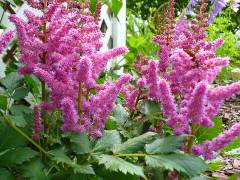
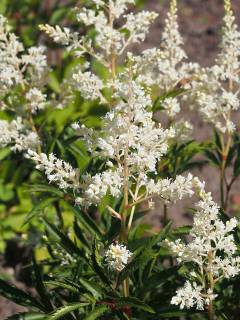
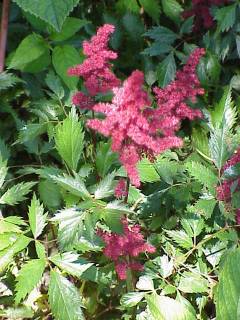
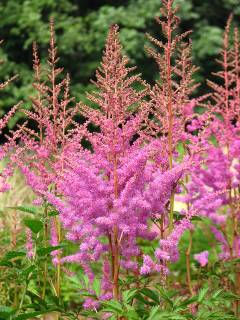
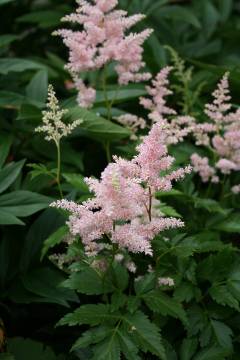
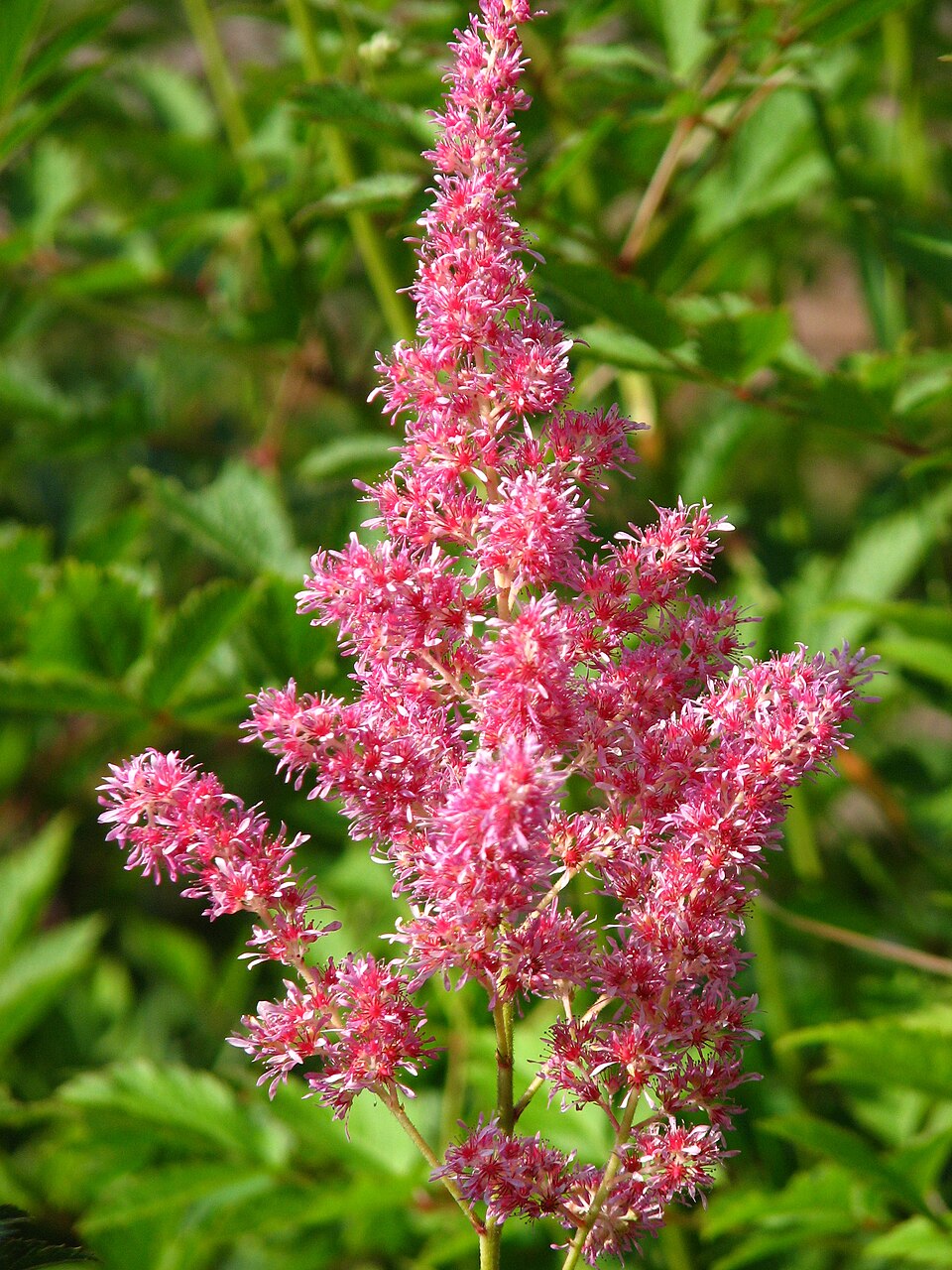
Astilbe × japonica 'Rheinland' is a compact Japanese astilbe growing 18-24 inches (45-60 cm) tall and wide. Dense upright panicles of clear pink to rose-pink florets appear in June and July above a mound of bright green glossy ternately compound foliage. The pink color is clean and true, without the salmon or magenta tones found in some astilbe cultivars. 'Rheinland' is among the earliest-blooming astilbes, opening in early June in many zones, and is useful for extending the overall astilbe bloom season when planted alongside mid- and late-season cultivars. The panicle density is intermediate: denser than the open A. × arendsii sprays but wider than the narrow spikes of A. chinensis. Bright green foliage gives a lighter contrast for the pink flowers than dark-leaved cultivars. Consistently moist soil is essential; drought causes immediate leaf edge browning and stunted plumes. In full sun, the bright green foliage yellows and scorch develops even with adequate water. Clumps expand slowly by rhizomes and benefit from division every 3-4 years. Deer avoid the foliage.
Native Range
Astilbe × japonica hybrids are derived from A. japonica, native to Japan, crossed with other Asian species. 'Rheinland' was bred by Georg Arends in Germany and introduced in 1916.Suggested Uses
Planted at the front of shade borders, along shaded paths, and in containers of 5 gallons (19 liters) or more. The early bloom extends the astilbe season when combined with mid- and late-season cultivars. Used in groups of 5-7. Pairs with white astilbes and blue-leaved hostas.How to Identify
Appearance
Size & Dimensions
Height1'6" - 2'
Width/Spread1'6" - 2'
Bloom Information
Flowering occurs in June and July, among the earliest astilbe cultivars. Dense pink panicles open over approximately 3 weeks. The early timing allows pairing with roses and iris. Dried panicles persist through winter.
Detailed Descriptions
Flower Description
Clear pink to rose-pink; dense upright panicles in June and JulyFoliage Description
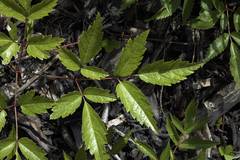
Bright green; glossy, ternately compoundGrowing Conditions
Sun Requirements
Requires 2-6 hours of direct sunlight daily
• Full Sun: 6+ hours of direct sunlight
• Partial Shade: 3-6 hours of direct sunlight
• Full Shade: Less than 3 hours of direct sunlight
Care & Maintenance
Care Guide
Sited in partial to full shade with 2-6 hours of filtered light. Humus-rich consistently moist soil is essential. Watered regularly and deeply; drought causes immediate leaf damage. Mulched with 2-3 inches (5-8 cm) of organic material. Clumps are divided every 3-4 years in spring. Full sun is avoided. Fertilization beyond annual mulch is typically not needed.Pruning
Dried plumes are left for winter interest or removed after bloom. All growth is cut to ground level in early spring before new shoots emerge. No other seasonal pruning is needed.Pruning Schedule
Prune: March
early spring
Container Growing
Suitable for container growing
Minimum container size: 5 gallons