Asplenium, Genus, spp., Multiple species,
- Genus
- Multiple species
spleenworts
Cosmopolitan (all continents except Antarctica)
Overview
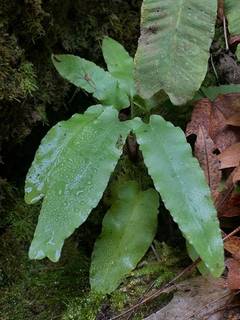
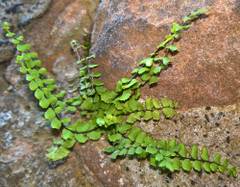
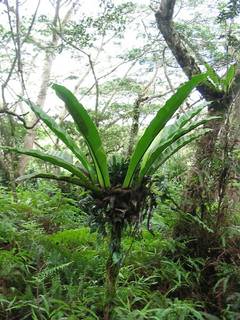
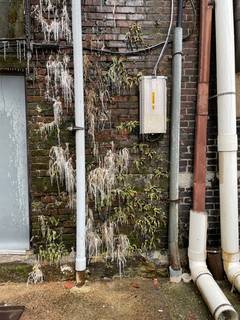
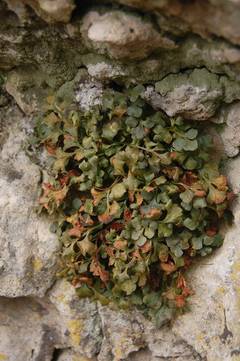
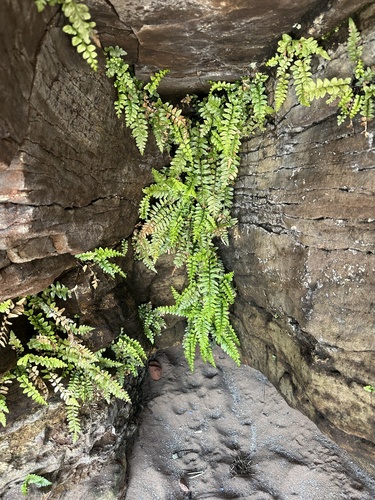
Asplenium is a genus of about 700 species of ferns in the family Aspleniaceae, known as spleenworts, found on every continent except Antarctica. The genus is highly varied: fronds range from the simple, undivided, strap-shaped blades of the bird's nest fern (A. nidus) to the finely divided, lacy fronds of the maidenhair spleenwort (A. trichomanes). Plants form tufts or rosettes of fronds from a short rhizome and may grow as terrestrial plants, on rocks, or as epiphytes on tree trunks and branches. Most species are evergreen. The defining feature of the genus is the arrangement of the spore cases (sori) in narrow lines along the veins on the frond undersides, each covered by a flap-like membrane. As ferns, spleenworts bear no flowers and reproduce by spores. They grow chiefly in shaded, humid places such as woodland floors, rock crevices, walls, and ravines, and many need steady moisture and shelter from drying wind. Hardiness varies widely, from temperate species that withstand frost to tropical species grown only as houseplants. Some species are confined to limestone or, conversely, to acidic rock.
Native Range
Asplenium is cosmopolitan, growing on every continent except Antarctica and from tropical lowlands to temperate mountains. North America holds many native species, on rock outcrops, cliffs, and shaded woodland.Suggested Uses
Grown in shade and woodland gardens, in rock gardens, dry-stone walls, and crevices, and as houseplants and terrarium and conservatory plants for the tender species. The bird's nest fern is grown indoors for its glossy strap-shaped fronds. Smaller rock species are planted in tufa, troughs, and shaded paving joints.How to Identify
Appearance
Size & Dimensions
Height4" - 4'
Width/Spread6" - 3'
Bloom Information
As ferns, spleenworts produce no flowers. Spores ripen in the linear sori on the frond undersides, mostly through summer and autumn, and are released as dust when the covering membrane dries and lifts. New plants grow from spores that land on damp, shaded surfaces.
Detailed Descriptions
Foliage Description
greenGrowing Conditions
Sun Requirements
Requires 1-4 hours of direct sunlight daily
• Full Sun: 6+ hours of direct sunlight
• Partial Shade: 3-6 hours of direct sunlight
• Full Shade: Less than 3 hours of direct sunlight
Water & Climate
Water Needs
Care & Maintenance
Care Guide
Grow Asplenium in part to full shade in moist, humus-rich, well-drained soil or, for the rock species, in gritty mix in crevices and walls, at a pH suited to the species (acidic for some, limy for others). Keep the soil and air evenly moist, since most species brown in dry conditions, and grow tropical species such as the bird's nest fern indoors above 55°F (13°C) with high humidity. Hardy species withstand frost outdoors in zones 5-9, while tender species are confined to containers and greenhouses. Little feeding is needed; a dilute balanced feed in summer is enough. Scale insects and mealybugs trouble indoor plants, and crown rot follows soggy soil. Old fronds can be cleared as new ones unfurl in spring.Pruning
Cut away dead, browned, or damaged fronds at the base in spring before the new croziers unfurl. Evergreen species are tidied year-round by removing tattered fronds. No other pruning is needed, as ferns regrow from the crown.Container Growing
Suitable for container growing
Minimum container size: 1 gallons