Asimina, Genus, reticulata, Species,
- Genus & species
netted pawpaw
Overview
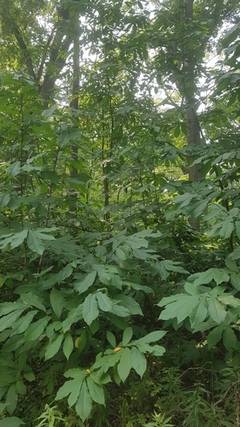
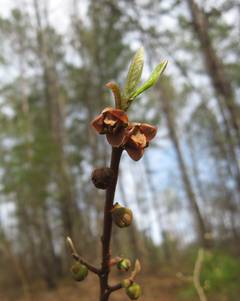
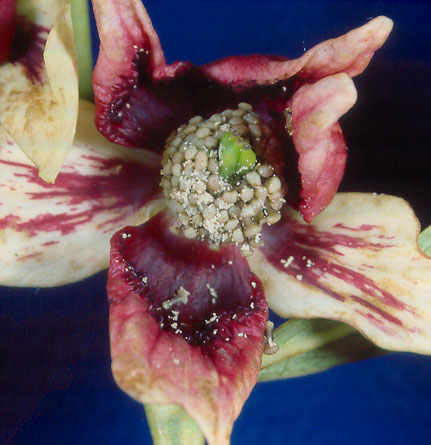
A deciduous shrub growing 1.5–4 feet (0.5–1.2 m) tall, with a low, sparsely branched form that spreads by underground runners into loose colonies. Leaves are alternate, oblong to oblanceolate, 2–4 inches (5–10 cm) long, leathery, dull green above with a netted vein pattern and paler beneath. Creamy white flowers, 1–1.5 inches (2.5–4 cm) across, with three outer and three inner petals, nod on short stalks as or just before the leaves expand. The flowers have a faint scent. Bloom occurs from March to May. Cylindrical green fruits 1.5–3 inches (4–8 cm) long ripen to yellow-green in summer, with sweet yellow pulp and several large brown seeds. The shrub grows from a deep root system adapted to sandy, fire-prone habitats and resprouts after burning. It is a larval host for the zebra swallowtail butterfly. Growth is slow, and colonies expand gradually.
Native Range
Native to the southeastern United States, mainly peninsular Florida and the adjacent coastal plain of Georgia. Grows in pine flatwoods, sandhills, and scrub on dry, sandy, acidic soils in full sun to light shade.Suggested Uses
Grown in native and pollinator gardens, restored pine flatwoods, and sandy wildlife plantings at 3–4 foot (0.9–1.2 m) spacing. Used as a larval host for the zebra swallowtail and as a low fruiting shrub. Suited to dry, sandy sites and not to irrigated or heavy soils.How to Identify
Appearance
Size & Dimensions
Height1'6" - 4'
Width/Spread2' - 4'
Bloom Information
Flowers from March to May, opening as the new leaves expand. Bloom lasts about 3–4 weeks. Flowering follows fire in its native range and may be sparse in unburned, shaded stands.
Detailed Descriptions
Foliage Description
Dull greenGrowing Conditions
Sun Requirements
Requires 6-10 hours of direct sunlight daily
• Full Sun: 6+ hours of direct sunlight
• Partial Shade: 3-6 hours of direct sunlight
• Full Shade: Less than 3 hours of direct sunlight
Care & Maintenance
Care Guide
Grows in full sun to light shade in dry, sandy, acidic soils with sharp drainage. Water during establishment; mature plants tolerate drought and decline in wet or heavy soils. The deep root system makes transplanting difficult, and container-grown stock establishes more reliably. Flowers are pollinated by beetles and flies, and fruit set is often low without cross-pollination between plants. Caterpillars of the zebra swallowtail feed on the foliage. Plants resprout from the roots after fire or cutting.Pruning
Little pruning is needed. Dead or damaged stems can be removed in late winter. Cutting plants to the ground induces resprouting from the roots. Suckers can be removed to limit colony spread.Pruning Schedule
Prune: February
winter