Asimina, Genus, parviflora, Species,
- Genus & species
small-flower pawpaw
Overview
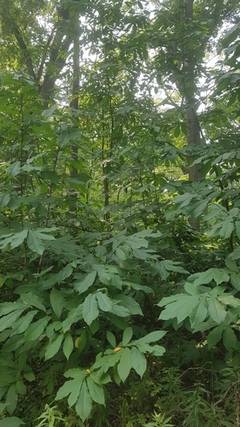
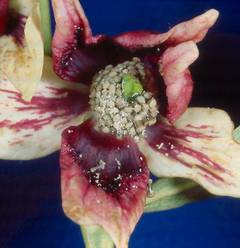
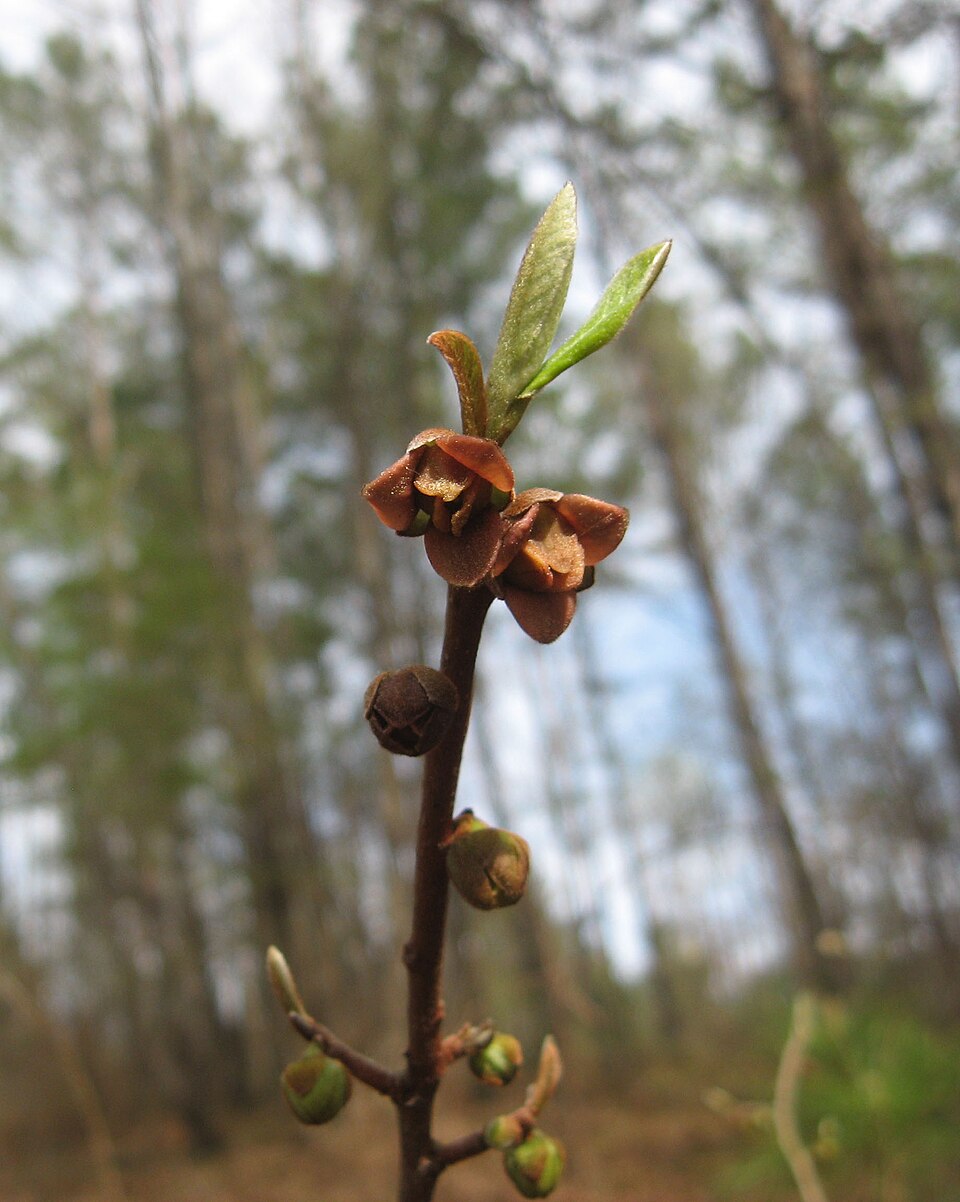
Asimina parviflora is a deciduous shrub or small tree in the custard-apple family, typically reaching 3–12 feet (1–4 m) tall and 3–8 feet (0.9–2.4 m) wide, occasionally taller in shaded woodland. It often grows as a multi-stemmed clump that spreads slowly by root suckers. The leaves are alternate, obovate, 3–8 inches (8–20 cm) long, with a tapering base and a faint scent when crushed; they turn yellow before dropping in autumn. From March to April, before or as the leaves expand, it produces bell-shaped flowers 0.4–0.6 inch (10–15 mm) across with six maroon to purple-brown petals — roughly half the size of those of the related A. triloba. The flowers are pollinated mainly by flies and beetles. Cylindrical green fruits 1–1.5 inches (2.5–4 cm) long ripen to yellow-green in late summer and contain several large brown seeds in soft pulp. The seeds and foliage contain annonaceous acetogenins and are toxic if eaten, while the ripe pulp is edible. The species occurs in the dry to moist understory of pine and hardwood forests. It is the larval host for the zebra swallowtail butterfly. Fruiting is sparse on isolated plants because the flowers require cross-pollination between genetically distinct individuals.
Native Range
Native to the southeastern United States, from southern Virginia south to Florida and west to eastern Texas, mostly on the coastal plain and lower piedmont. It grows in sandy or loamy woodland soils in dry to moist conditions.Suggested Uses
Asimina parviflora is used in native woodland gardens, shade borders, and butterfly plantings as a larval host for the zebra swallowtail. Its small fruits are eaten by mammals and birds, and the plant suits naturalized understory plantings beneath taller hardwoods.How to Identify
Appearance
Size & Dimensions
Height3' - 12'
Width/Spread3' - 8'
Bloom Information
Flowers open from March to April, just before or as the new leaves unfold. The maroon-brown blooms are 0.4–0.6 inch (10–15 mm) across and are pollinated by flies and beetles rather than bees. Fruit develops through summer and ripens from August to September.
Detailed Descriptions
Flower Description
maroon to purple-brownFoliage Description
green, turning yellow in autumnGrowing Conditions
Sun Requirements
Requires 2-6 hours of direct sunlight daily
• Full Sun: 6+ hours of direct sunlight
• Partial Shade: 3-6 hours of direct sunlight
• Full Shade: Less than 3 hours of direct sunlight
Care & Maintenance
Care Guide
Asimina parviflora grows in part shade to full shade as a woodland understory plant and tolerates full sun where soil moisture is steady. It grows in moist, well-drained sandy or loamy soils with a slightly acidic pH and forms a deep taproot that makes transplanting of older plants difficult. Young plants establish in their first seasons under shelter from intense afternoon sun. Supplemental water supports establishment and carries plants through drought, while established specimens tolerate brief dry spells. The plant suckers from the roots and can form a colony over time. Fruit set requires two genetically distinct plants for cross-pollination.Pruning
Asimina parviflora needs little pruning and holds an upright form. Dead or crossing stems can be removed in late winter while the plant is dormant. Root suckers can be cut back to keep growth as a single clump rather than a spreading colony.Pruning Schedule
Prune: February–March
winter