Asimina, Genus, spp., Multiple species,
- Genus
- Multiple species
Overview
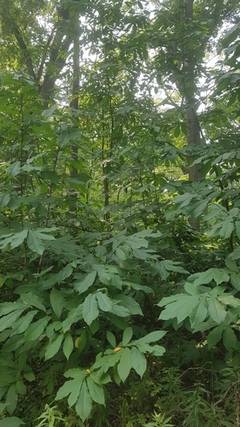
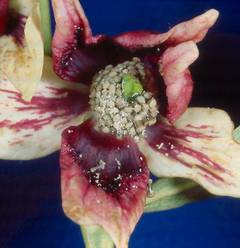
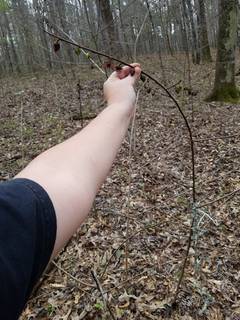
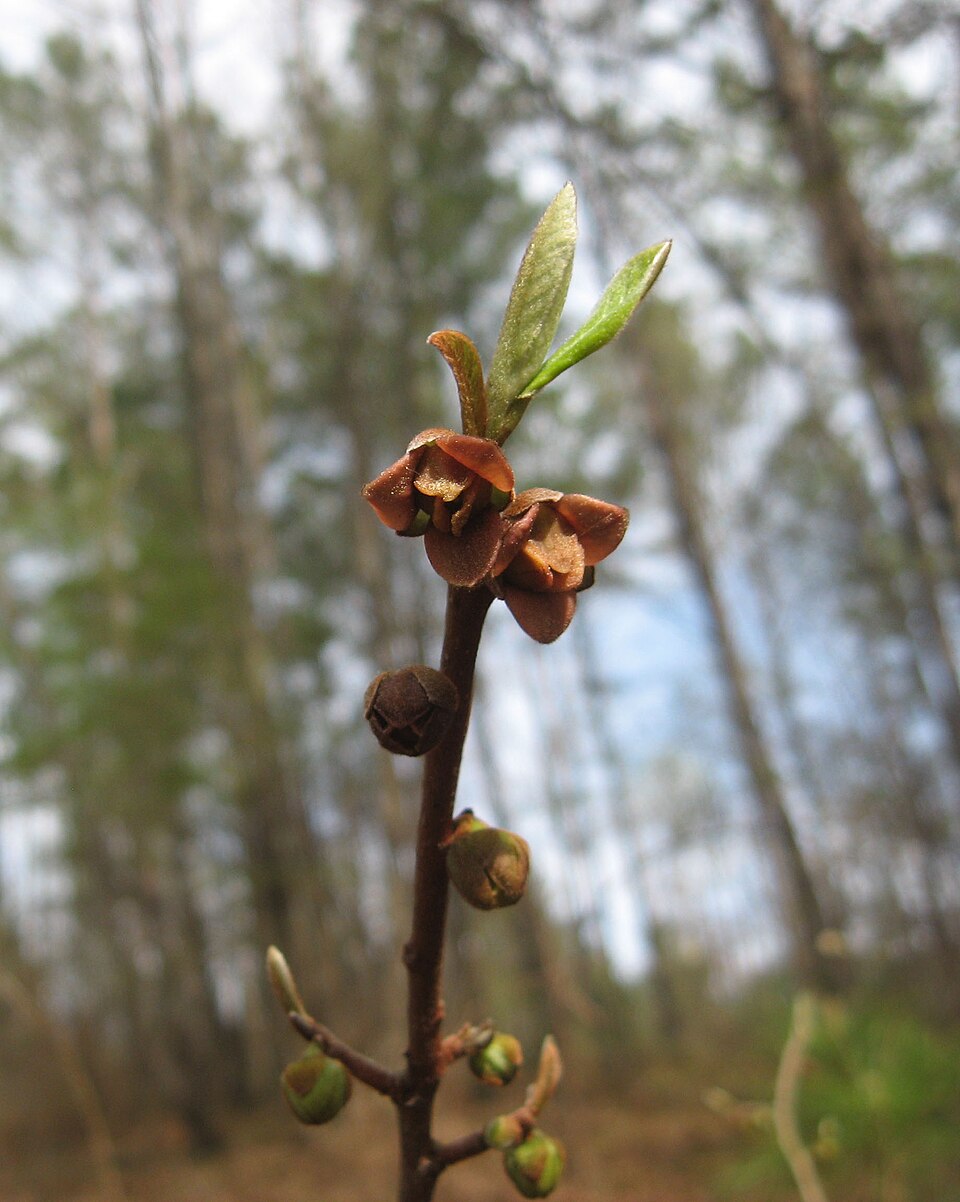
Asimina is a genus of about eight to eleven deciduous shrubs and small trees in the custard-apple family, the only members of that largely tropical family native to temperate North America. The principal species, A. triloba, common pawpaw, grows 15-30 feet (4.5-9 m) tall, while southeastern species such as A. parviflora stay shrubby at 3-10 feet (0.9-3 m). Leaves are large, obovate, 6-12 inches (15-30 cm) long, drooping, and turn yellow in autumn. Cup-shaped flowers 1-2 inches (2.5-5 cm) across open in spring, maroon to purple-brown, and are pollinated by flies and beetles. A. triloba bears greenish-yellow fruit 2-6 inches (5-15 cm) long with soft, custard-textured pulp ripening in late summer and autumn. Plants sucker from the roots to form colonies and are slow to establish a deep taproot. Seeds, bark, and leaves contain annonaceous acetogenins; the ripe pulp is eaten, but the seeds and skin are not. Fruit set is poor without cross-pollination between unrelated plants.
Native Range
Native to eastern North America, from the Great Lakes and southern Ontario south to the Gulf Coast and west to the eastern Great Plains. Grows in moist, fertile bottomland woods, river floodplains, and shaded slopes as an understory plant.Suggested Uses
Grown in woodland gardens, edible landscapes, and naturalized plantings, spaced 8-15 feet (2.4-4.5 m) apart, with at least two unrelated plants for fruit. The suckering habit suits hedgerows and thickets but needs room in formal settings. A. triloba is grown as a small shade or understory tree.How to Identify
Appearance
Size & Dimensions
Height3' - 30'
Width/Spread5' - 15'
Bloom Information
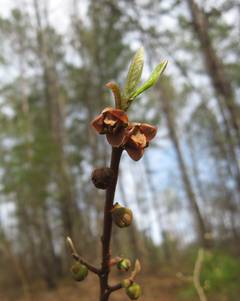
Maroon to purple-brown flowers open in spring, about March through May, often before or as the leaves expand. Individual flowers last 1-2 weeks and the bloom period spans 3-4 weeks. Cool springs lengthen flowering. Fly and beetle pollination together with self-incompatibility limit fruit set in isolated plants.
Detailed Descriptions
Flower Description
maroon to purple-brownFoliage Description
deep green, yellow in autumnGrowing Conditions
Sun Requirements
Requires 3-8 hours of direct sunlight daily
• Full Sun: 6+ hours of direct sunlight
• Partial Shade: 3-6 hours of direct sunlight
• Full Shade: Less than 3 hours of direct sunlight
Care & Maintenance
Care Guide
Young plants establish in part shade and moist, fertile, slightly acid soil, then shift to full sun as they mature for heavier fruiting. Seedlings have a brittle taproot and establish slowly, often pausing for a year after transplanting. Established plants sucker from the roots, forming colonies that can be left to spread or cut back. Few pests trouble the foliage, which deer avoid, and the zebra swallowtail butterfly lays eggs on the leaves as its only larval host. Cross-pollination between two unrelated plants is needed for good fruit set. Seeds, bark, and leaves contain acetogenins and are not eaten.Pruning
Light pruning to shape is done in late winter while plants are dormant. Root suckers are removed to keep a single-trunk tree or left to form a thicket. Broken or crossing branches are taken out at any season.Pruning Schedule
winter