Arctotis, Genus, spp., Multiple species,
- Genus
- Multiple species
African daisies
Overview
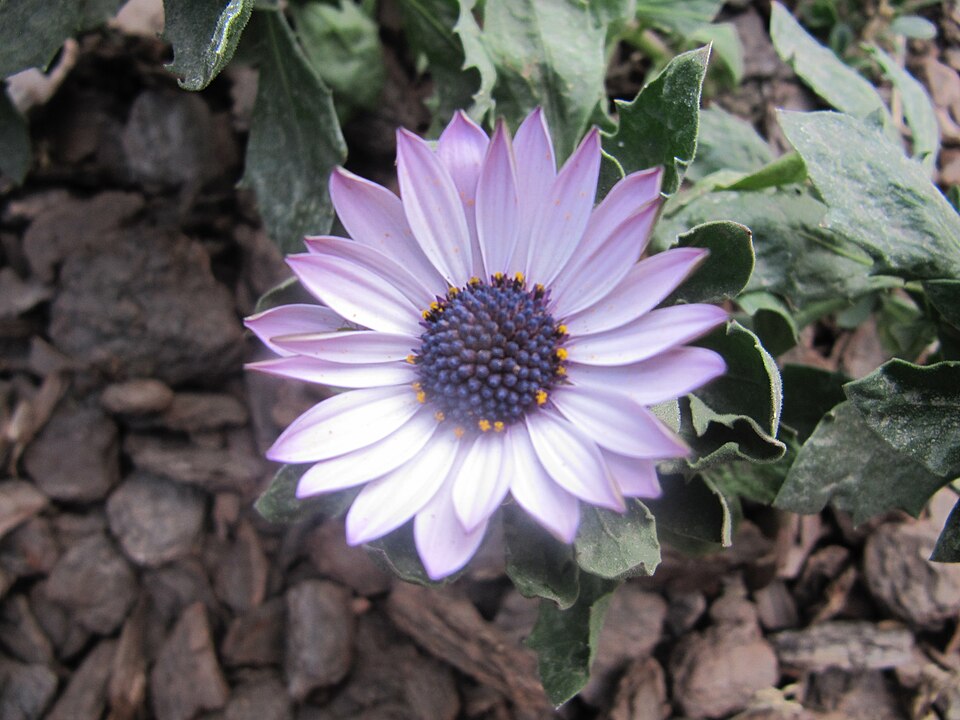
Arctotis is a genus of about 70 species of annual and perennial herbs in the daisy family, native to southern Africa. Plants form low rosettes or spreading mounds of lobed leaves that are usually grey-green and covered in soft white woolly hairs, giving the foliage a silvery cast. Solitary daisy flower heads 2 to 4 inches (5 to 10 cm) across rise on slender stalks above the leaves in orange, yellow, white, pink, red, and cream, very often with a dark ring or steel-blue center. The flower heads close in the evening and on overcast days, opening again in sun. Many species and the garden hybrids bloom over a long season from late spring into fall. The genus needs full sun and sharp drainage and is frost-tender, performing as a short-lived perennial in mild climates and grown as an annual where winters are cold. Flowers stay closed in dull weather, limiting the display on cloudy days.
Native Range
Arctotis is native to southern Africa, with most species concentrated in South Africa and a few extending into Namibia and southern Angola. The genus grows on sandy flats, rocky slopes, and disturbed ground, largely in the winter-rainfall regions of the Cape. Several species colonize bare and disturbed sand.Suggested Uses
Grown in sunny borders, gravel and coastal gardens, containers, and as temporary summer bedding in cold-winter areas. Low spreading types are used as a seasonal groundcover on dry banks. Plants are spaced 12 inches (30 cm) apart in drifts for massed color.How to Identify
Appearance
Size & Dimensions
Height6" - 2'
Width/Spread1' - 1'6"
Colors
Bloom Information
Flowering runs over a long season from late spring into fall, broadly May to October, and nearly year-round in frost-free climates. Each flower head lasts several days, opening in morning sun and closing by late afternoon and in overcast weather. Removing faded heads keeps new flowers coming.
Detailed Descriptions
Flower Description
orange, yellow, white, pink, red, and cream, often with a dark centerFoliage Description
grey-greenGrowing Conditions
Sun Requirements
Requires 6-10 hours of direct sunlight daily
• Full Sun: 6+ hours of direct sunlight
• Partial Shade: 3-6 hours of direct sunlight
• Full Shade: Less than 3 hours of direct sunlight
Care & Maintenance
Care Guide
Plants grow in full sun and light, sharply drained sandy or loam soil, and tolerate heat, wind, and coastal salt once established. Watering is needed only in prolonged drought, as wet or heavy soil leads to root and crown rot. The genus is frost-tender; perennial species are short-lived and are often replaced every few years, while in cold regions plants are grown as annuals from seed or cuttings. Pinching young plants produces bushier growth and more flowers. Aphids and downy mildew appear in damp or crowded conditions.Pruning
Pruning is limited to deadheading spent flowers to extend bloom and shearing leggy plants by about one-third in midseason to renew growth. Frost-killed or tired plants are pulled and replaced. No woody pruning applies.Container Growing
Suitable for container growing
Minimum container size: 2 gallons
Toxicity
Non-toxicPlanting Guide
Planting Methods & Timing
Planting Method
both
Indoor Start
6 weeks before last frost
Direct Sow Timing
After the last frost in spring
Days to Maturity
60–90 days
Plant Spacing
12 inches