Antennaria, Genus, parlinii, Species,
- Genus & species
Parlin's pussytoes
Overview
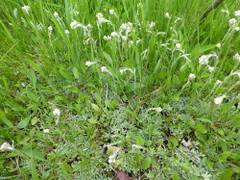
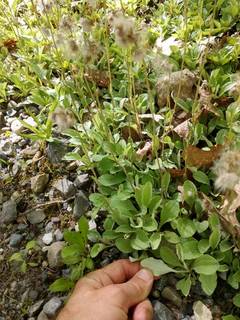
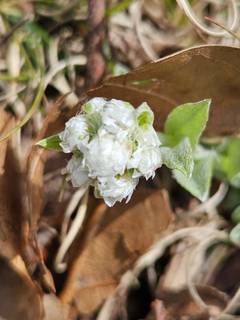
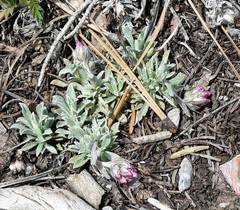
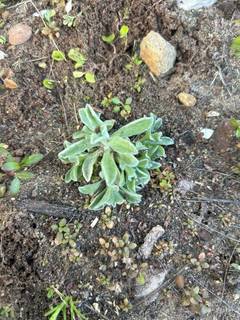
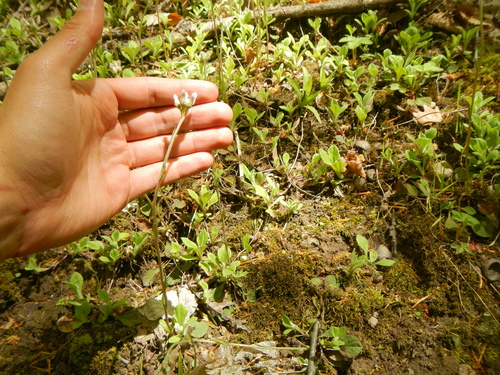
Antennaria parlinii is a low, mat-forming perennial that spreads by surface runners to form patches of woolly, grey-green basal rosettes. The basal leaves are spoon-shaped, 1-3 inches (2.5-7.5 cm) long, with three to five veins, green and nearly smooth above and white-woolly beneath. In spring, slender flower stalks 4-16 inches (10-40 cm) tall rise from the rosettes, each topped with a tight cluster of small whitish flower heads whose papery bracts suggest a cat paw. The plant is dioecious, with male and female flowers on separate plants; female heads are taller and produce tiny seeds tipped with white bristles. After flowering the stalks die back, leaving the evergreen mat of rosettes. Native across eastern and central North America, it grows in dry, open woods, clearings, fields, and rocky slopes on poor, well-drained soils. It tolerates drought and low fertility and spreads steadily into a groundcover. It serves as a larval food plant for the American lady butterfly. It does not tolerate dense shade, rich soil, or wet ground.
Native Range
Antennaria parlinii is native to eastern and central North America, from Quebec and Ontario south to Georgia and west to the Great Plains. It grows in dry open woodlands, woodland edges, clearings, old fields, and rocky or sandy slopes.Suggested Uses
Used as a drought-tolerant groundcover in rock gardens, dry borders, and native plantings, and between stepping stones. It serves as a larval host for the American lady butterfly and draws early-season pollinators. Suited to lean, sunny, dry sites where turf and richer groundcovers struggle.How to Identify
Appearance
Size & Dimensions
Height4" - 1'4"
Width/Spread1' - 2'
Colors
Bloom Information
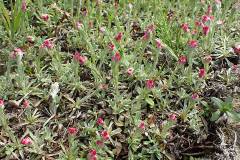
Tight clusters of small whitish, sometimes pink-tinged flower heads open on woolly stalks from April to June. Male and female heads grow on separate plants, the female taller. Wind and insects move pollen, and female plants ripen tiny bristle-tipped seeds in early summer.
Detailed Descriptions
Flower Description
whitish, sometimes pink-tingedFoliage Description
grey-green above, white beneathGrowing Conditions
Sun Requirements
Requires 5-10 hours of direct sunlight daily
• Full Sun: 6+ hours of direct sunlight
• Partial Shade: 3-6 hours of direct sunlight
• Full Shade: Less than 3 hours of direct sunlight
Care & Maintenance
Care Guide
Antennaria parlinii grows in full sun to part shade on dry, well-drained, low-fertility soils, including sand, gravel, and thin rocky ground. It tolerates drought once established and spreads by runners into a low mat. It is propagated by division of rooted rosettes or from seed, and needs little water or feeding. Rich soil and shade reduce its vigor and open the mat. The evergreen rosettes persist through winter. Hardy in USDA zones 3-8, it withstands cold, heat, and poor soils but not wet ground.Pruning
Spent flower stalks can be cut or pulled after bloom to tidy the mat. No other pruning is needed for the low rosettes. Overgrown patches can be divided in spring or autumn to renew them.Pruning Schedule
Prune: June
summer
Container Growing
Suitable for container growing
Minimum container size: 1 gallons