Anacyclus, Genus, spp., Multiple species,
- Genus
- Multiple species
mount atlas daisy
Overview
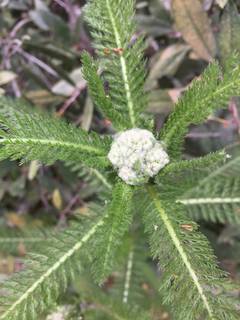
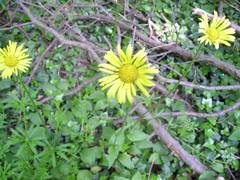
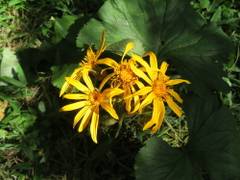
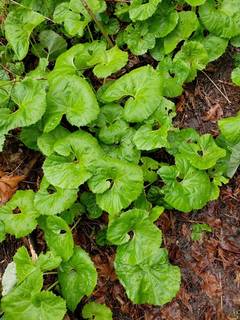
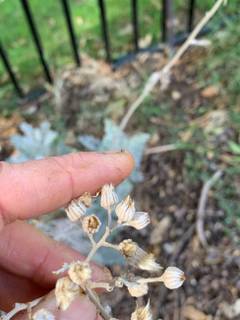
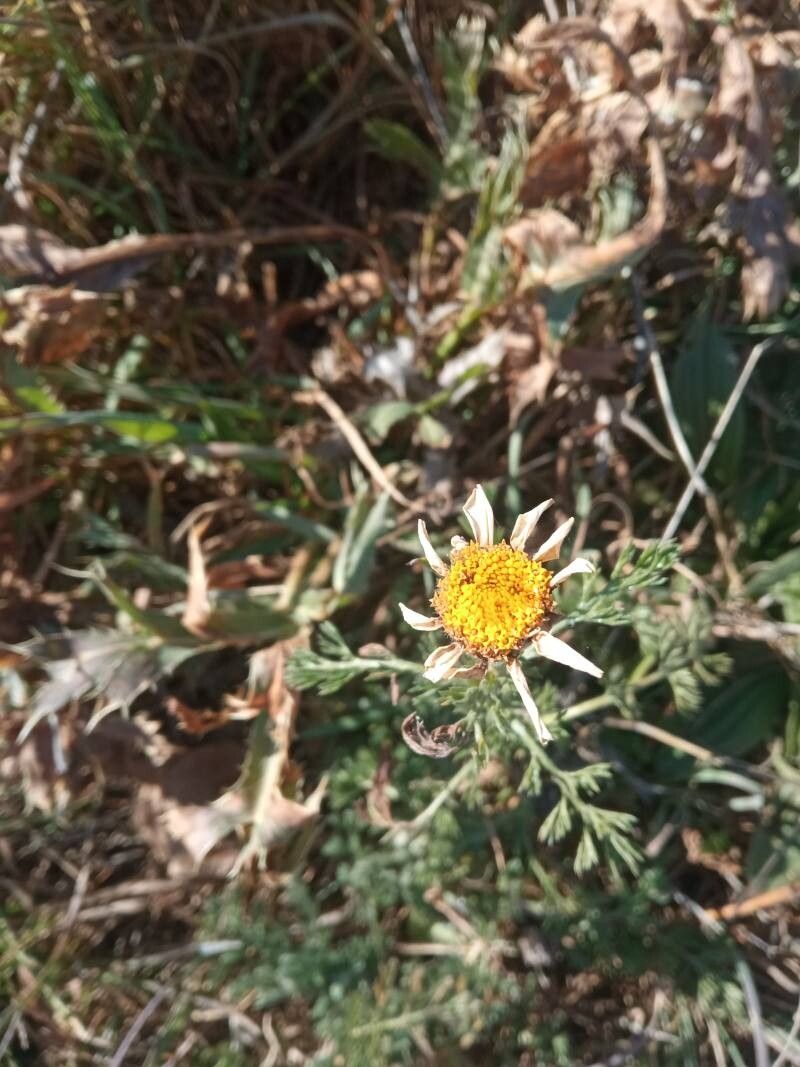
Anacyclus is a genus of about a dozen annual and perennial species in the daisy family, native to the Mediterranean region and North Africa. The cultivated members are low, mat-forming perennials with finely divided, gray-green leaves pressed close to the ground, spreading 8-12 inches (20-30 cm) across from a central crown. A. pyrethrum var. depressus, the Mount Atlas daisy, produces single daisy flowers 1.5-2 inches (4-5 cm) wide on short stalks that lie flat or rise just above the foliage; the ray florets are white on the upper surface and crimson on the reverse, so the closed buds and night-folded flowers show red. Bloom runs from late spring into summer. The genus grows on stony, sun-baked slopes and tolerates drought and lean soil, but it rots in winter wet and is short-lived on heavy ground. Roots of A. pyrethrum contain pungent alkamides and have a long record of use in herbal medicine. Plants reach flowering size in their first or second year and self-sow where drainage is sharp. Most species need full sun and gritty, free-draining soil to persist.
Native Range
Native to the Mediterranean Basin and North Africa, from Spain and Morocco through the Atlas Mountains, with some species reaching the eastern Mediterranean.Suggested Uses
Grown in rock gardens, scree beds, troughs, and the front edge of sunny borders where drainage is sharp. Suited to gravel gardens and wall crevices. Not durable in damp, shaded, or heavy-soil sites.How to Identify
Appearance
Size & Dimensions
Height2" - 6"
Width/Spread8" - 1'
Colors
Bloom Information
Detailed Descriptions
Flower Description
white with crimson reverse and yellow centerFoliage Description
gray-greenGrowing Conditions
Sun Requirements
Requires 6-12 hours of direct sunlight daily
• Full Sun: 6+ hours of direct sunlight
• Partial Shade: 3-6 hours of direct sunlight
• Full Shade: Less than 3 hours of direct sunlight
Care & Maintenance
Care Guide
Plants grow in full sun on gritty, sharp-draining soil and tolerate drought once established. They are set out in spring 10-12 inches (25-30 cm) apart and need no feeding in lean ground. Winter wet is the main cause of loss, so raised beds, gravel, or scree suit them better than heavy clay. Open texture and air at the crown reduce rot. Established mats need little water through summer heat. Plants are short-lived but renew from self-sown seedlings.Pruning
Spent flower stems are sheared off after bloom to keep plants tidy and to limit self-seeding. No other pruning is needed. Winter foliage is left in place, as it shelters the crown.Container Growing
Suitable for container growing
Minimum container size: 1 gallons