Amsonia, Genus, ×, Hybrid, 'Blue Ice', Cultivar,
- Genus
- Hybrid
- Cultivar
blue ice bluestar
Garden hybrid; likely parentage involves {Amsonia tabernaemontana} and other North American species
Overview
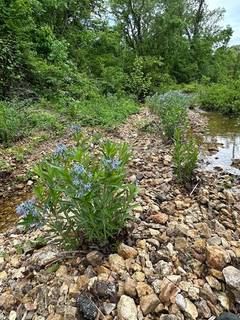
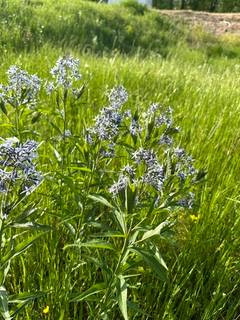
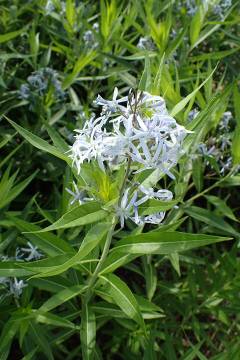
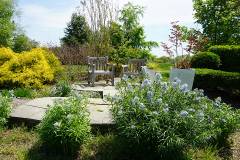
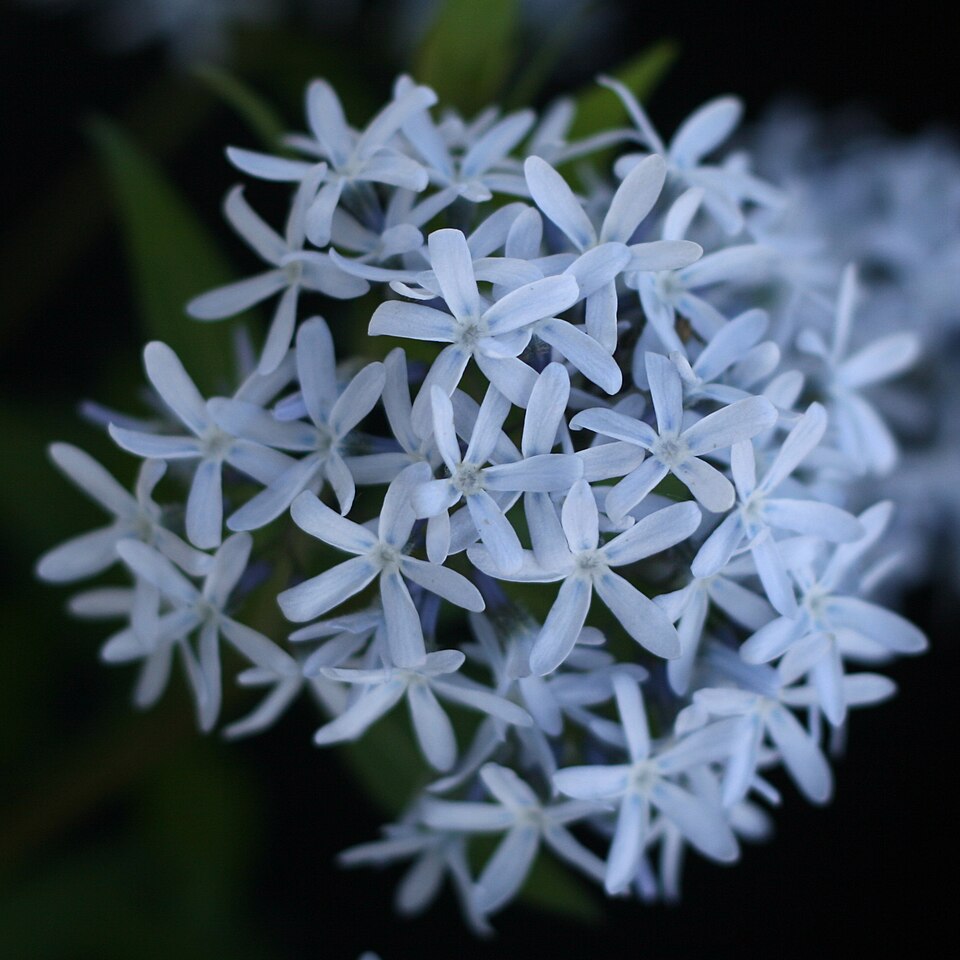
Amsonia × 'Blue Ice' is a compact hybrid bluestar in the Apocynaceae family, forming a dense, mounding clump 12-18 inches (30-45 cm) tall and 18-24 inches (45-60 cm) wide, about half the size of standard A. tabernaemontana. Terminal clusters of ice-blue star-shaped flowers, each about 0.5 inch (1.3 cm) across, open in May and June, set more thickly than on many taller bluestars. Narrow, dark green willow-like leaves form a finely divided mound that holds its shape without the post-bloom shearing taller species need. In fall the foliage turns golden-yellow for 2-3 weeks before dropping. The compact, self-supporting habit suits the front of a border or a container, where standard bluestars would swamp the planting. It grows in soils from clay to sandy loam and handles drought once the roots take hold. Cut stems ooze a milky white sap that can irritate skin, and all parts contain alkaloids toxic to humans and pets if eaten. Deer and rabbits pass the foliage by. Clumps reach full size slowly over 2-3 seasons but persist for years and seldom need division. Hardy in zones 4-9.
Native Range
Amsonia × 'Blue Ice' is a garden hybrid of uncertain parentage, likely from North American Amsonia species. It was selected for its compact size and heavy flowering.Suggested Uses
Sized for the front of mixed borders, path edging, and mass plantings, where the compact mound carries three-season interest, and for containers of 5 gallons (19 L) or more. The golden-yellow fall foliage pairs with fall asters and ornamental grasses. All parts are toxic if eaten.How to Identify
Appearance
Size & Dimensions
Height1' - 1'6"
Width/Spread1'6" - 2'
Bloom Information
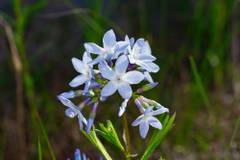
Flowers open in May and June. Terminal clusters of ice-blue star-shaped florets last 3-4 weeks. Flowering is heavier than on taller bluestars, and there is no rebloom after the spring display.
Detailed Descriptions
Flower Description
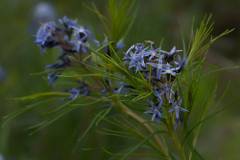
Ice-blue, star-shaped, about 0.5 inch (1.3 cm) across, in terminal clustersFoliage Description
Dark green, narrow, willow-likeGrowing Conditions
Sun Requirements
Requires 5-10 hours of direct sunlight daily
• Full Sun: 6+ hours of direct sunlight
• Partial Shade: 3-6 hours of direct sunlight
• Full Shade: Less than 3 hours of direct sunlight
Care & Maintenance
Care Guide
Grow in full sun to partial shade with at least 5 hours of direct light. It takes a range of soils, including clay. Average moisture suits the plant while it establishes; it is drought-tolerant once rooted. The compact habit seldom needs post-bloom shearing, though a light trim after flowering keeps a tidy dome. Feeding and division are rarely needed. Cut stems release a milky sap that can irritate skin, and all parts are toxic if eaten.Pruning
A light shear after flowering in June tightens the mound, though this is optional given the naturally compact habit. Cut all stems to 3-4 inches (8-10 cm) above the ground in late fall or early spring.Pruning Schedule
Prune: March & November
fallearly spring
Container Growing
Suitable for container growing
Minimum container size: 5 gallons