Allium, Genus, spp., Multiple species,
- Genus
- Multiple species
onions
Northern Hemisphere (Eurasia, North America)
Overview
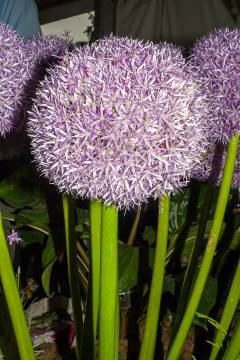
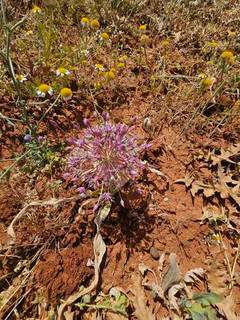
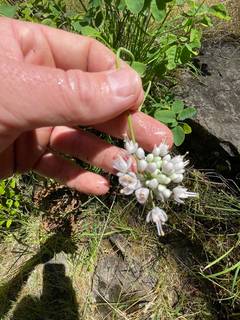
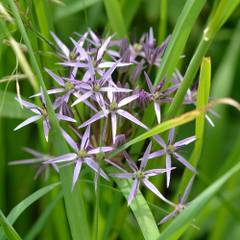
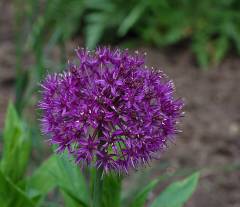
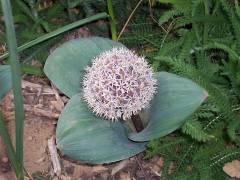
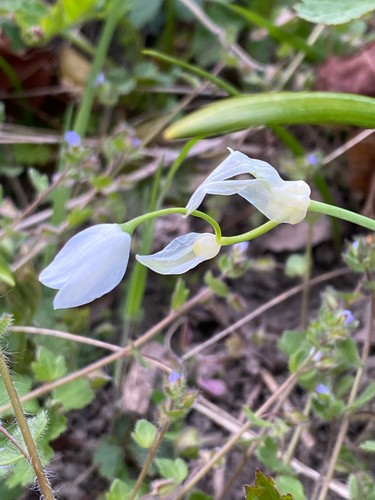
Allium is a genus of roughly 700 to 900 species of bulbous perennials in the family Amaryllidaceae, distributed across the temperate Northern Hemisphere. Plants grow from bulbs and produce hollow or strap-shaped leaves and a leafless flowering stalk, the scape, 15–120 cm (6–48 in) tall. The scape is topped by a rounded umbel of many small, star-shaped flowers in white, pink, purple, blue, or yellow, ranging from loose clusters to dense spheres up to 20 cm (8 in) across. All parts release a characteristic onion or garlic odor when bruised, from sulfur compounds that also flavor the edible species. The genus includes onion, garlic, leek, shallot, and chives alongside many bulbs grown only for their flowers. Bees and other insects work the nectar-rich umbels. Foliage of many species yellows and dies back before or during flowering, leaving bare stems. All parts contain organosulfur compounds toxic to dogs, cats, horses, and livestock, causing damage to red blood cells if eaten.
Native Range
The genus is native across the temperate Northern Hemisphere, with the greatest diversity in the dry mountains and steppes of central and southwestern Asia and the Mediterranean. Additional species occur across Europe, North America, and northern Africa.Suggested Uses
Used in borders, gravel gardens, and naturalized plantings, where the spherical flower heads rise among lower perennials, and culinary species are grown in kitchen gardens. The dried seed heads extend interest into late summer. The toxicity to pets and livestock limits use in grazed areas and some household settings.How to Identify
Appearance
Size & Dimensions
Height6" - 4'
Width/Spread3" - 1'
Bloom Information
Detailed Descriptions
Flower Description
white, pink, purple, blue, or yellowFoliage Description
green to blue-greenGrowing Conditions
Sun Requirements
Requires 6-10 hours of direct sunlight daily
• Full Sun: 6+ hours of direct sunlight
• Partial Shade: 3-6 hours of direct sunlight
• Full Shade: Less than 3 hours of direct sunlight
Care & Maintenance
Care Guide
Most species grow in full sun and well-drained soil with a pH of 6.0 to 7.5, and bulbs rot in wet, heavy ground. Established plantings are drought-tolerant and need little summer water once the foliage begins to die back. Hardiness spans USDA zones 3–9 across the genus, with most ornamental species reliably cold-hardy. Bulbs are planted in autumn at two to three times their depth. Clumps multiply by offsets and many species self-seed freely, sometimes spreading beyond their intended area. The dying foliage is untidy as bulbs go dormant.Pruning
Removing spent flower heads before seeds ripen limits self-seeding in species that spread. Foliage is left to yellow fully before removal, as it feeds the bulb for the following year. Lifting and dividing crowded clumps every few years keeps them flowering.Pruning Schedule
Prune: July
summer
Container Growing
Suitable for container growing
Minimum container size: 2 gallons