Allium sativum 'Music', Music Hardneck Garlic
1 / 7
Bulbs

Allium sativum 'Music'

Music Hardneck Garlic

AmaryllidaceaeCentral Asia

At a Glance

Typebulb
Habitupright
Foliagedeciduous
Height18-24 inches
Width6-8 inches
Maturity0.75 years

Growing Zones

USDA Hardiness Zones

3a - 8b
Zone 3a
Zone 3b
Zone 4a
Zone 4b
Zone 5a
Zone 5b
Zone 6a
Zone 6b
Zone 7a
Zone 7b
Zone 8a
Zone 8b
These zones indicate the coldest temperatures this plant can typically survive.
Frost Tolerancehardy

Key Features

Deer Resistant
Fragrant (moderate)
Container Friendly
Maintenancemoderate

Overview

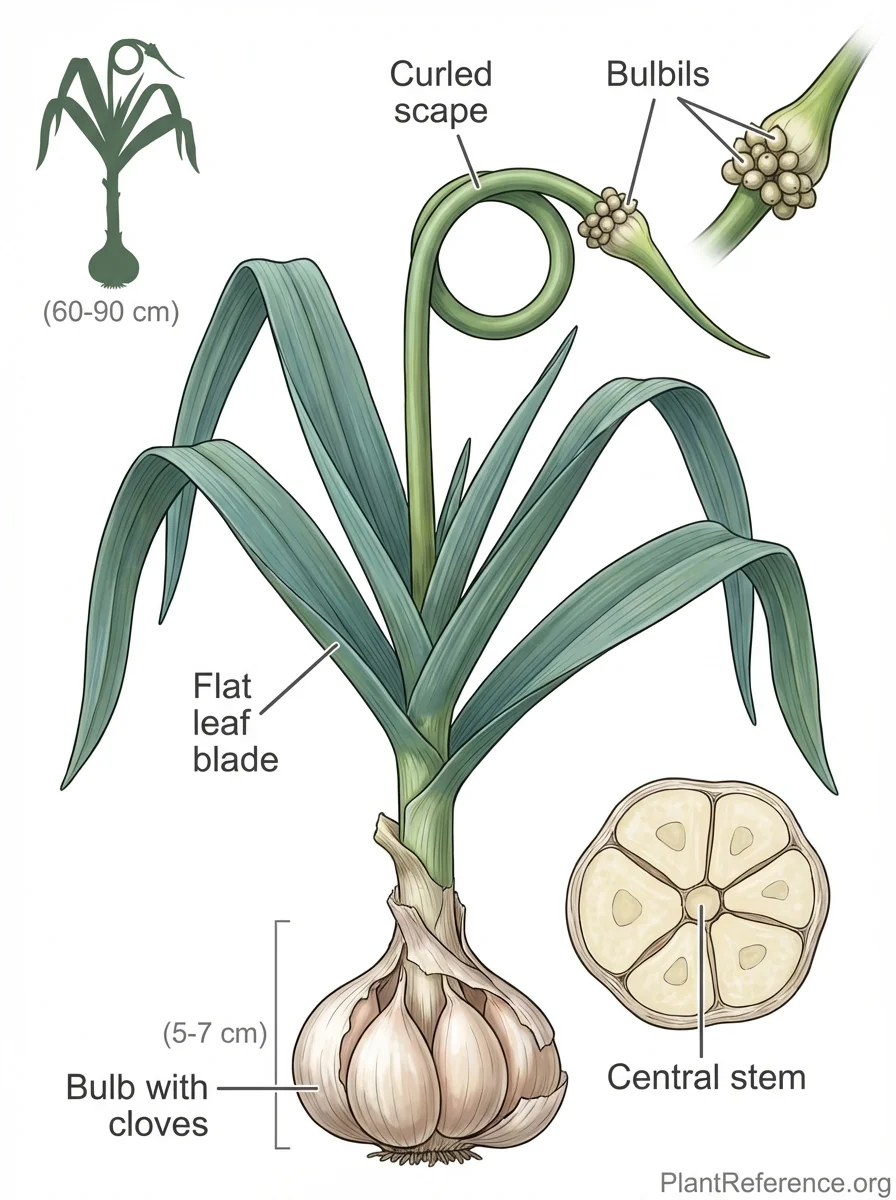
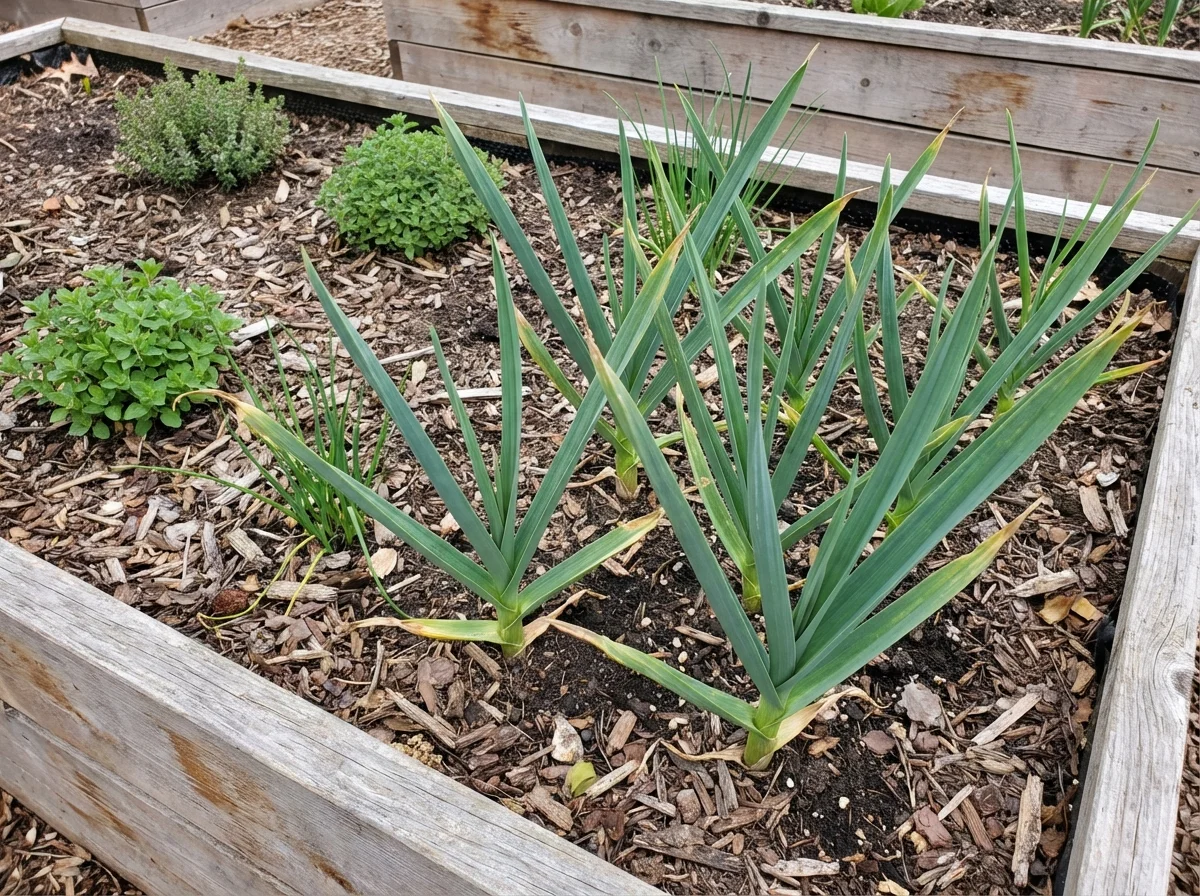
Allium sativum 'Music' is an exceptional hardneck garlic cultivar that stands as one of the finest porcelain-type varieties available to home gardeners and commercial growers. This robust perennial bulb produces impressively large, well-formed bulbs measuring 2-2.5 inches in diameter, each containing 4-6 substantial cloves arranged symmetrically around a central woody scape. The mature bulbs are distinguished by their clean, papery white outer skins with minimal root scarring, while individual clove wrappers display characteristic purple striping that serves as a reliable identifying feature. The plant develops strong, upright growth habit with broad, flat leaves that emerge in a distinctive blue-green color, reaching heights of 18-24 inches and creating an attractive architectural presence in the garden throughout the growing season. During early summer, Allium sativum 'Music' produces the characteristic hardneck feature of curled flower stalks called scapes, which loop dramatically in a full circle before straightening upward and developing clusters of small aerial bulbils at their tips. These edible scapes are highly prized by chefs and add an additional harvest dimension to this versatile crop. The cultivar is renowned for its exceptional flavor profile, delivering a clean, rich garlic taste with moderate heat that provides complexity when used raw but mellows beautifully during cooking applications, making it equally suitable for fresh preparations and long-term storage uses.

Native Range

Allium sativum originated in the mountainous regions of Central Asia, particularly in areas encompassing modern-day Kazakhstan, Kyrgyzstan, Uzbekistan, Tajikistan, and surrounding territories along the ancient Silk Road trade routes. Archaeological evidence indicates this species has been cultivated continuously for over 5,000 years, spreading from its native high-altitude habitats where wild populations inhabited rocky slopes and well-draining soils. The species naturally evolved in these harsh mountain environments, developing the cold-hardiness and robust characteristics that make hardneck varieties like 'Music' so successful in northern climates.

Suggested Uses

Allium sativum 'Music' excels as a premium culinary garlic, providing exceptional flavor complexity that enhances everything from everyday cooking to gourmet preparations, with its clean, rich taste making it ideal for both raw applications like aioli and cooked dishes where it mellows beautifully. The early summer scape harvest adds a valuable secondary crop with delicate garlic flavor, perfect for seasonal specialties and preservation projects. This variety is particularly valued by home gardeners seeking reliable long-term storage capabilities, as properly cured bulbs maintain excellent quality for 6-8 months, providing homegrown garlic through most of the following year. In the garden landscape, Allium sativum 'Music' functions as an excellent companion plant, naturally deterring aphids, spider mites, and other pests when grown near tomatoes, roses, peppers, and brassicas, while its attractive blue-green foliage adds vertical interest and architectural structure to vegetable gardens, herb borders, and mixed plantings throughout the growing season.

How to Identify

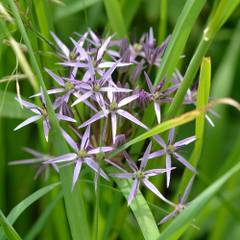
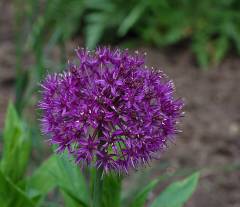
Allium sativum 'Music' can be definitively identified by its distinctive hardneck characteristics and premium porcelain-type features that set it apart from other garlic varieties. The most obvious identifying trait is the emergence of a central flower stalk or scape in early summer that curls into a complete loop before straightening and producing small bulbils at the tip. The mature bulbs are notably large and symmetrical, containing 4-6 plump cloves arranged around a rigid central woody stem, all wrapped in pristine white papery outer skins with minimal root scarring. Individual clove wrappers display characteristic purple striping that distinguishes this cultivar from other porcelain types. The foliage consists of broad, flat leaves with a distinctive blue-green coloration that remains upright throughout the growing season, reaching 18-24 inches in height. Unlike softneck varieties, the central stem remains rigid and woody, and the plant requires vernalization through cold winter temperatures to properly develop bulbs.

Appearance

Size & Dimensions

Height1'6" - 2'
Width/Spread6" - 8"

Reaches mature size in approximately 0.75 years

Colors

Flower Colors

white
pink

Foliage Colors

blue
green

Fall Foliage Colors

brown

Bloom Information

Bloom Period

J
F
M
A
M
J
J
A
S
O
N
D
Summer
early to mid-summer

Detailed Descriptions

Flower Description

white to pale pink

Foliage Description

blue-green

Growing Conditions

Sun Requirements

Full Sun
• Full Sun: 6+ hours of direct sunlight
• Partial Shade: 3-6 hours of direct sunlight
• Full Shade: Less than 3 hours of direct sunlight

Soil Requirements

pH Range6.0 - 7.0(Neutral)
357912
Soil Types
loam
Drainage
well drained

Water & Climate

Water Needs

moderate

Frost Tolerance

hardy

Time to Maturity

8-9 months

Care & Maintenance

Care Guide

Allium sativum 'Music' requires consistent care throughout its extended growing season to produce the large, flavorful bulbs for which it is prized. Plant individual cloves in fall, approximately 4-6 weeks before hard frost is expected, positioning them pointed end up at a depth of 2 inches with 6 inches spacing between cloves in well-prepared, organic-rich soil. Maintain consistent soil moisture during the active spring growing period when leaf development occurs, providing approximately 1 inch of water weekly, but begin reducing irrigation as lower leaves start yellowing in mid-summer. Apply a balanced fertilizer high in nitrogen in early spring when green shoots first emerge, and supplement with compost or well-aged manure to support robust bulb development. The critical management practice is removing flower scapes promptly when they appear, cutting them at the base to redirect energy into bulb formation rather than seed production. Monitor soil moisture carefully and cease watering entirely when approximately half the leaves have turned brown, typically in mid to late summer, allowing bulbs to cure naturally in the ground before harvest.

Pruning

Allium sativum 'Music' requires minimal pruning, with the primary task being the timely removal of flower scapes that emerge in early summer. Cut these characteristic curled flower stalks at their base where they emerge from the foliage cluster, using clean, sharp scissors or pruning shears to make a clean cut. This scape removal is absolutely critical for achieving maximum bulb size and quality, as it prevents the plant from diverting energy into flower and seed production. Remove scapes when they have completed their initial curl but before they straighten completely, typically when the loop is fully formed. The harvested scapes are culinary treasures, offering mild garlic flavor perfect for stir-fries, pestos, and seasonal dishes. Avoid cutting back any foliage until it naturally begins to yellow and die back from the bottom up, as the leaves continue photosynthesis throughout the season to feed the developing bulb. Allow several green leaves to remain when the lower leaves have browned, signaling optimal harvest timing.

Pruning Schedule

J
F
M
A
M
J
J
A
S
O
N
D
summer

Maintenance Level

moderate

Container Growing

✓ Suitable for container growing

⚠️ Toxicity Warning

Allium sativum 'Music' is completely safe for human consumption and widely celebrated for both culinary and traditional medicinal applications, though individuals with sensitive digestive systems should consume raw garlic in moderation to avoid potential stomach irritation. However, this plant poses significant toxicity risks to dogs, cats, and other companion animals, potentially causing hemolytic anemia, gastrointestinal upset, weakness, and other serious health complications even when consumed in small quantities. All parts of the plant, including bulbs, leaves, scapes, and any plant debris, contain compounds that are harmful to pets and should be kept away from animals. Pregnant and nursing women should consult healthcare providers before using garlic medicinally in therapeutic quantities, although normal culinary consumption is generally considered safe. Store all harvested plant materials securely away from pets and supervise children around growing plants to prevent accidental ingestion by animals.

Planting Guide

Planting Methods & Timing

Planting Method

direct sow

Direct Sow Timing

fall, 4-6 weeks before hard frost

Days to Maturity

240–270 days

Plant Spacing

6 inches

Companion Planting

Good Companions

tomatoes
roses
peppers
cabbage
broccoli
lettuce

Avoid Planting With

beans
peas
asparagus
sage
Allium sativum 'Music' (Music Hardneck Garlic) - Identification & Care Guide | PlantRef