Actaea, Genus, spp., Multiple species,
- Genus
- Multiple species
baneberries and cohoshes
Overview
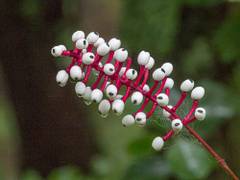
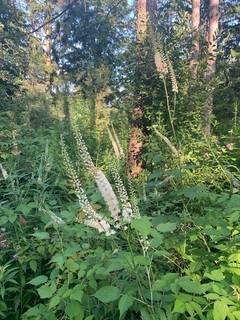
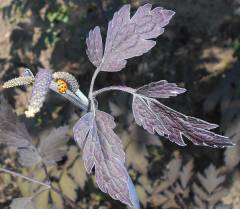
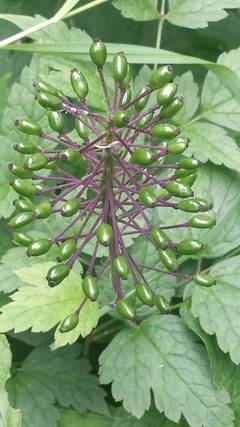
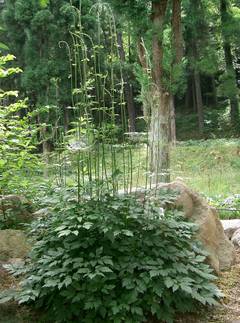
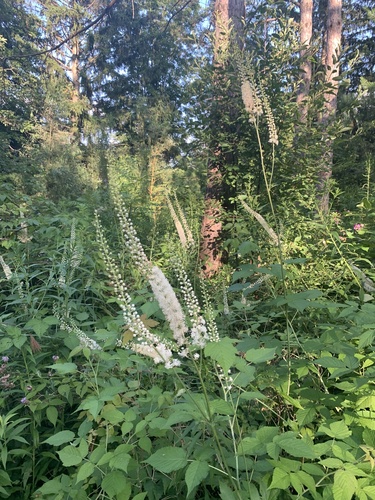
Actaea is a genus of about 28 perennial herbs in the buttercup family, Ranunculaceae, known as baneberries, bugbanes, and cohoshes. Plants grow from thick rhizomes into clumps 1-7 feet (30-210 cm) tall, with large, divided, fern-like leaves. Tiny flowers without showy petals are packed into spikes or bottlebrush-like wands; in the baneberry group these are short and rounded, while in the former bugbane group, now included here, they form tall, slender plumes. Flowers are white to cream and open from late spring to autumn depending on species. The baneberry species ripen clusters of glossy red or white berries, while the bugbane species form dry seed pods. The genus is native to cool, moist woodland across the Northern Hemisphere, in North America, Europe, and Asia. All parts are toxic, and the berries are especially poisonous, containing compounds that cause digestive and heart symptoms if eaten. Plants need shade, steady moisture, and humus-rich soil and grow poorly in hot, dry, sunny sites. Most species are slow to establish but long-lived once settled. Some bugbane species carry a strong scent that gives them the name bugbane.
Native Range
Actaea is native to the cool temperate Northern Hemisphere, across North America, Europe, and temperate Asia. Plants grow in moist deciduous and mixed woodland, shaded stream banks, and mountain forest. North America and eastern Asia hold most of the species.Suggested Uses
Grown in shade and woodland gardens, along stream banks, and at the back of moist borders for the tall flower spikes and divided foliage. The berried species add autumn color in shaded plantings. Several species are used in native plant and pollinator gardens.How to Identify
Appearance
Size & Dimensions
Height1' - 7'
Width/Spread1' - 3'
Bloom Information
Flowering ranges from late spring to autumn depending on species, with the baneberries blooming in spring and the bugbane group flowering from late summer into autumn. The slender flower spikes open over 2-4 weeks. Many of the late-flowering species are scented and draw bees and other insects.
Detailed Descriptions
Flower Description
white to creamFoliage Description
green to dark greenGrowing Conditions
Sun Requirements
Requires 2-5 hours of direct sunlight daily
• Full Sun: 6+ hours of direct sunlight
• Partial Shade: 3-6 hours of direct sunlight
• Full Shade: Less than 3 hours of direct sunlight