Acacia, Genus, suaveolens, Species,
- Genus & species
sweet wattle
Overview
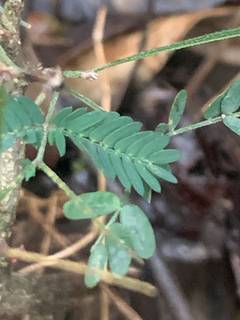
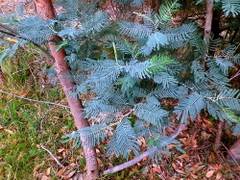
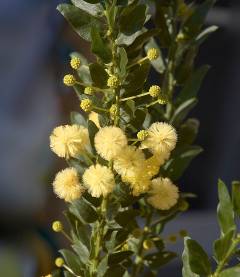
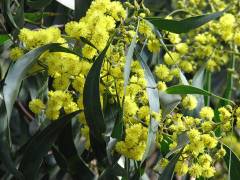
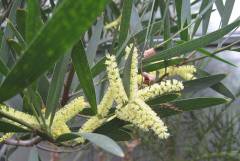
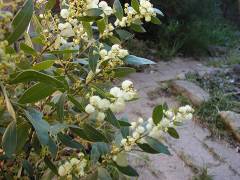
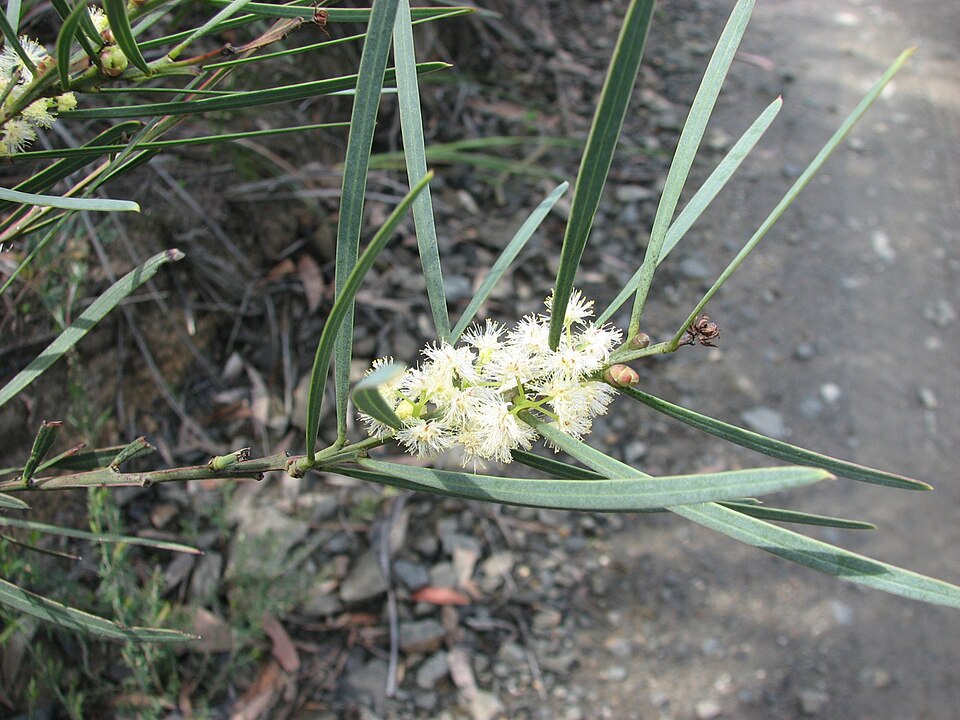
Acacia suaveolens is a slender, erect shrub in the family Fabaceae, growing 3-10 feet (1-3 m) tall with an open, sparsely branched habit. The phyllodes, which replace true leaves, are narrow, flat, and blue-green to grey-green, 1.6-5 inches (4-13 cm) long, tapering to a sharp point. From autumn into winter it produces pale yellow to cream globular flower heads in short clusters, earlier than most wattles, and the flowers carry a sweet fragrance that gives the plant its name. Flattened blue-grey seed pods 1-1.6 inches (2.5-4 cm) long follow. It grows in coastal heath, scrub, and open woodland across south-eastern Australia, from Queensland through New South Wales and Victoria to Tasmania and South Australia, on sandy and low-nutrient soils. As a legume it fixes nitrogen and germinates readily after fire from soil-stored seed. It tolerates drought, wind, and coastal exposure once established. Growth is fast but the shrub is short-lived, often lasting only five to ten years before opening out and declining. The sparse, open form gives little screening, and plants in rich or poorly drained soil are especially short-lived.
Native Range
Acacia suaveolens is native to south-eastern Australia, from Queensland through New South Wales and Victoria to Tasmania and South Australia. It grows in coastal heath, scrub, and open woodland on sandy, low-nutrient soils.Suggested Uses
Grown in native, coastal, and revegetation gardens as an early-flowering nectar source and quick filler on sandy soils. It suits heath-style plantings and the rehabilitation of disturbed ground. The scented winter flowers draw native bees and other insects.How to Identify
Appearance
Size & Dimensions
Height3' - 10'
Width/Spread3' - 6'6"
Bloom Information
Pale yellow to cream globular flower heads open from autumn into winter, roughly March to July in the native range, earlier than most other wattles. The flowers are sweetly scented. Flattened blue-grey pods develop through spring.
Detailed Descriptions
Flower Description
pale yellow to creamFoliage Description
blue-greenGrowing Conditions
Sun Requirements
Requires 5-10 hours of direct sunlight daily
• Full Sun: 6+ hours of direct sunlight
• Partial Shade: 3-6 hours of direct sunlight
• Full Shade: Less than 3 hours of direct sunlight
Care & Maintenance
Care Guide
Grow in full sun to light shade in free-draining sandy or low-nutrient soil. Water during establishment, after which the plant tolerates drought and coastal exposure. As a nitrogen-fixing legume it needs no feeding and is sensitive to high phosphorus. Light frost is tolerated once established. The shrub grows fast but is short-lived, often declining after five to ten years. Replacement plants are set out as older shrubs open up and fade.Pruning
Tip prune after flowering to slow the opening-out of the sparse form. Hard pruning into old wood is avoided, as recovery is poor. Because the shrub is naturally short-lived, replacement is more reliable than heavy renewal pruning.Container Growing
Suitable for container growing