Acacia, Genus, melanoxylon, Species,
- Genus & species
blackwood
Overview
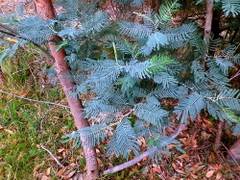
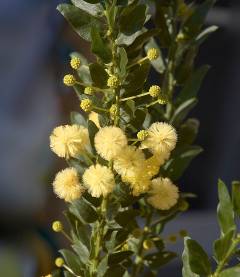
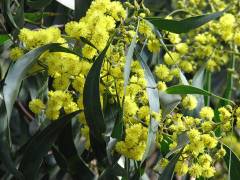
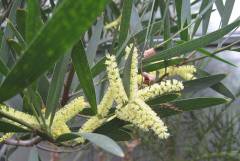
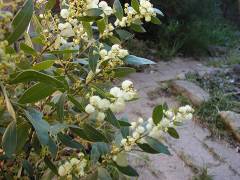
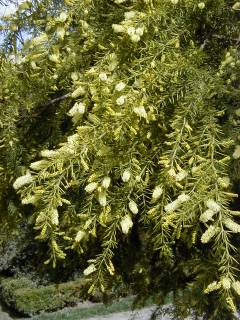
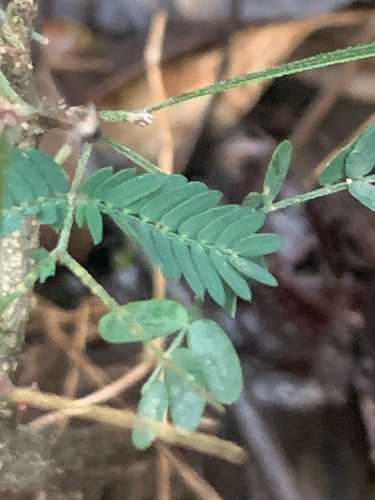
Acacia melanoxylon is an evergreen tree reaching 25-65 feet (8-20 m) tall, occasionally to 100 feet (30 m), with a trunk to 3 feet (0.9 m) in diameter and a dense, upright to spreading crown 15-30 feet (4.6-9 m) wide. Mature foliage consists of phyllodes (flattened leaf stalks) rather than true leaves: these are 2.5-5 inches (6-13 cm) long, 0.3-1 inch (8-25 mm) wide, dull green, and marked with 3-5 lengthwise veins. Seedlings and young shoots bear feathery bipinnate leaves, and both forms can occur on the same young plant. Pale cream to light yellow flowers are packed into globular heads 0.2-0.3 inch (5-8 mm) across, grouped in clusters from late winter to spring. Seed pods are flattened, 2-6 inches (5-15 cm) long, and twist and coil as they dry, exposing black seeds ringed by a pink to red fleshy stalk. Growth is fast, often 3 feet (0.9 m) per year when young. The root system suckers freely, sending up new stems several yards from the trunk.
Native Range
Native to southeastern Australia, from Tasmania and Victoria north through New South Wales to southeastern Queensland, growing in wet forest, gullies, and along watercourses from sea level to about 5,000 feet (1,500 m). Widely planted for timber elsewhere and naturalized in southern Africa, South America, and parts of the Mediterranean.Suggested Uses
Grown as a timber tree for its dark, close-grained wood and planted as a shade or shelter tree in large spaces, set at least 20-30 feet (6-9 m) from buildings and paving because of the suckering roots. Used in shelterbelts and for erosion control on slopes.How to Identify
Appearance
Size & Dimensions
Height25' - 65'
Width/Spread15' - 30'
Bloom Information
Flowering runs from late winter into spring, mainly July to October in Australia and February to April in the Northern Hemisphere. The pale cream flower heads last 2-4 weeks. Coiled seed pods follow in summer and split open over several weeks to release the seeds.
Detailed Descriptions
Flower Description
cream to pale yellowFoliage Description
dull greenGrowing Conditions
Sun Requirements
Requires 4-12 hours of direct sunlight daily
• Full Sun: 6+ hours of direct sunlight
• Partial Shade: 3-6 hours of direct sunlight
• Full Shade: Less than 3 hours of direct sunlight
Care & Maintenance
Care Guide
Grows in full sun to part shade on moist, well-drained soils and tolerates textures from sand to clay. Water young trees through dry spells in the first two seasons; established trees are moderately drought tolerant but grow slowly under prolonged dryness. The shallow, suckering roots can lift paving and send up shoots across a wide area. Branches break in high wind, and the species is killed by freezes below 20 F (-7 C). It is regulated as an invasive species in South Africa and parts of California, where root suckers and abundant seed allow it to spread.Pruning
Prune in late spring or summer after flowering to remove dead or crossing branches and to raise the crown. Removing suckers as they appear limits spread. Cutting the main stem prompts vigorous regrowth from the base and roots.Pruning Schedule
Prune: May–June
late springsummer