Acacia, Genus, stricta, Species,
- Genus & species
hop wattle
Overview
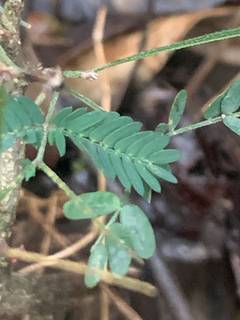
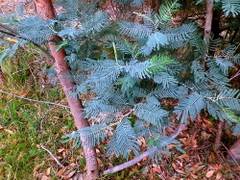
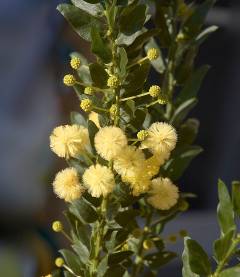
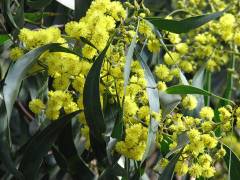
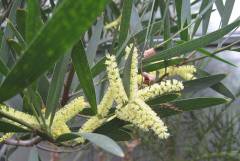
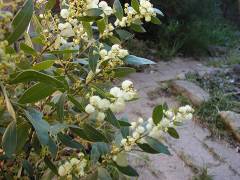
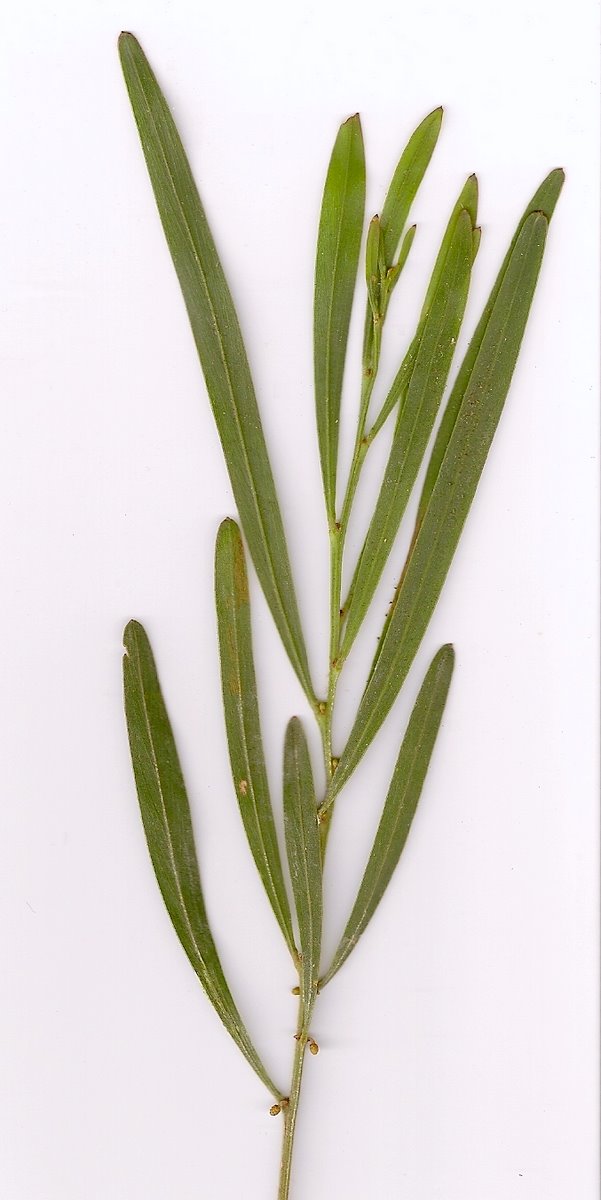
Acacia stricta is an evergreen shrub or small tree in the pea family, growing 6-16 feet (2-5 m) tall and 5-12 feet (1.5-3.5 m) wide, with an erect, open habit and angular branchlets. Like other wattles it bears flattened phyllodes in place of true leaves; these are narrow, straight to slightly curved, 1.5-4 inches (4-10 cm) long, with one or two prominent lengthwise veins and a small gland on the upper edge. Pale yellow to cream globular flower heads about 0.2 inch (5 mm) wide appear singly or in pairs in the leaf axils, mainly in late winter and spring. Curved to straight pods 1.5-4 inches (4-10 cm) long follow, drying brown and splitting to release dark seeds. Growth is fast, with plants reaching full size in three to four years, and the species is relatively short-lived at ten to fifteen years. It tolerates frost and poor soils but is sensitive to extended drought and waterlogging.
Native Range
Native to south-eastern Australia, including New South Wales, Victoria, Tasmania, and South Australia. It grows in open forest, woodland, and heath, often on poor or gravelly soils and in recently disturbed or burnt ground.Suggested Uses
Used in native gardens, revegetation, windbreaks, and screening on poor soils, spaced 6-10 feet (1.8-3 m) apart. Its fast growth suits quick cover and habitat plantings while slower trees establish. The short lifespan makes it a filler rather than a permanent specimen.How to Identify
Appearance
Size & Dimensions
Height6' - 16'
Width/Spread5' - 12'
Bloom Information
Detailed Descriptions
Flower Description
pale yellow to creamFoliage Description
greenGrowing Conditions
Sun Requirements
Requires 5-9 hours of direct sunlight daily
• Full Sun: 6+ hours of direct sunlight
• Partial Shade: 3-6 hours of direct sunlight
• Full Shade: Less than 3 hours of direct sunlight
Care & Maintenance
Care Guide
Grows in full sun to part shade on most freely draining soils, including poor and gravelly ground. Fast to establish, it needs occasional water in the first year and then tolerates dry periods, while extended drought and waterlogging shorten its life. The species fixes nitrogen and needs no feeding on average soils. Plants are relatively short-lived at ten to fifteen years and are renewed from seed, which germinates strongly after fire or soil disturbance. Light tip pruning after flowering keeps the open habit denser. Borers and galls occur but seldom cause major harm.Pruning
Light tip pruning after flowering keeps young plants bushy and reduces the open, leggy form that develops with age. The shrub reshoots from younger wood but recovers slowly from cuts into bare older stems. Dead and damaged branches are removed as they appear.Pruning Schedule
Prune: October–November
late spring