Acacia, Genus, spinescens, Species,
- Genus & species
spiny wattle
Overview
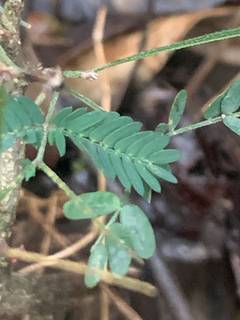
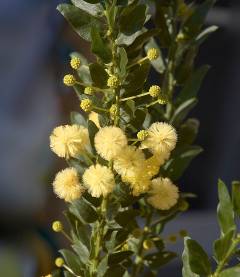
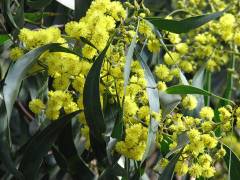
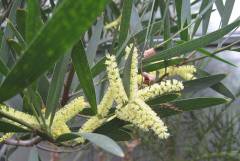
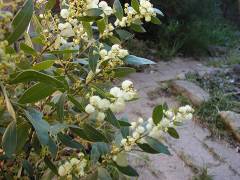
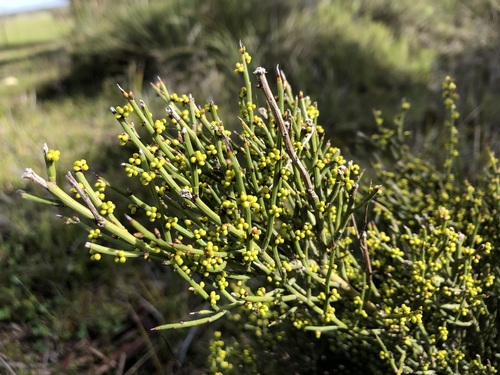
Acacia spinescens is an evergreen shrub reaching 2-7 feet (0.6-2 m) tall and 3-7 feet (1-2 m) wide, with rigid, spreading branches that taper into sharp spines. In place of true leaves it bears reduced phyllodes, 0.1-0.4 inch (3-10 mm) long, which are narrow and often drop early, so mature stems appear spiny and nearly leafless. Small bright yellow flower heads, globular and about 0.2 inch (4-6 mm) across, are borne singly or in pairs along the stems. Flowering occurs in late winter and spring, mainly August to October. Flat or slightly curved seed pods, 0.8-1.6 inches (2-4 cm) long, follow the flowers. Plants spread by root suckers to form dense, prickly thickets. The species grows in mallee, open woodland, and shrubland on sandy, loamy, or stony soils in semi-arid country. The spines make handling difficult, and the suckering habit lets it form colonies.
Native Range
Native to southern Australia, occurring in South Australia, Victoria, New South Wales, and Western Australia. Grows in mallee, open woodland, and shrubland on sandy, loamy, or stony soils in semi-arid regions.Suggested Uses
Used as a prickly barrier or refuge planting in native and low-water gardens, and in revegetation of dry country, spaced 4-7 feet (1.2-2 m) apart. The dense spiny growth gives shelter and nesting cover for small birds. Its suckering habit suits naturalistic plantings rather than confined beds.How to Identify
Appearance
Size & Dimensions
Height2' - 7'
Width/Spread3' - 7'
Bloom Information
Detailed Descriptions
Foliage Description
greenGrowing Conditions
Sun Requirements
Requires 6-12 hours of direct sunlight daily
• Full Sun: 6+ hours of direct sunlight
• Partial Shade: 3-6 hours of direct sunlight
• Full Shade: Less than 3 hours of direct sunlight
Care & Maintenance
Care Guide
Grows in full sun on well-drained sandy, loamy, or stony soils, tolerating dry and exposed sites. Established plants withstand extended drought and light frost. It fixes nitrogen through root nodules, like other wattles, and needs little feeding. The shrub suckers from the roots and can spread into a thicket. It is propagated from seed after heat or hot-water treatment to break dormancy. Few pests trouble it, though it is short-lived, often declining after 10-15 years.Pruning
Light pruning after flowering keeps the shrub dense, though the spines make the work slow. Cutting stems to the ground prompts suckering and regrowth from the base. Removing suckers limits the spread of the thicket.Pruning Schedule
Prune: October–November
late spring