Acacia, Genus, salicina, Species,
- Genus & species
willow acacia
Overview
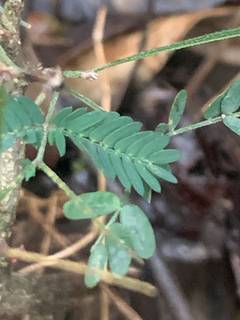
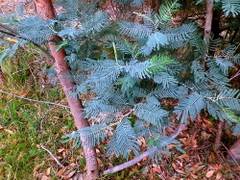
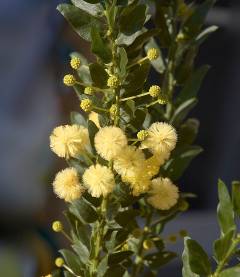
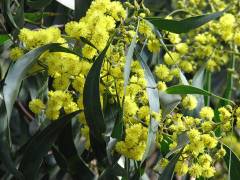
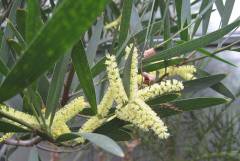
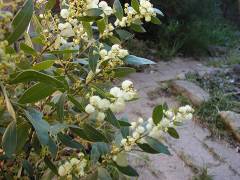
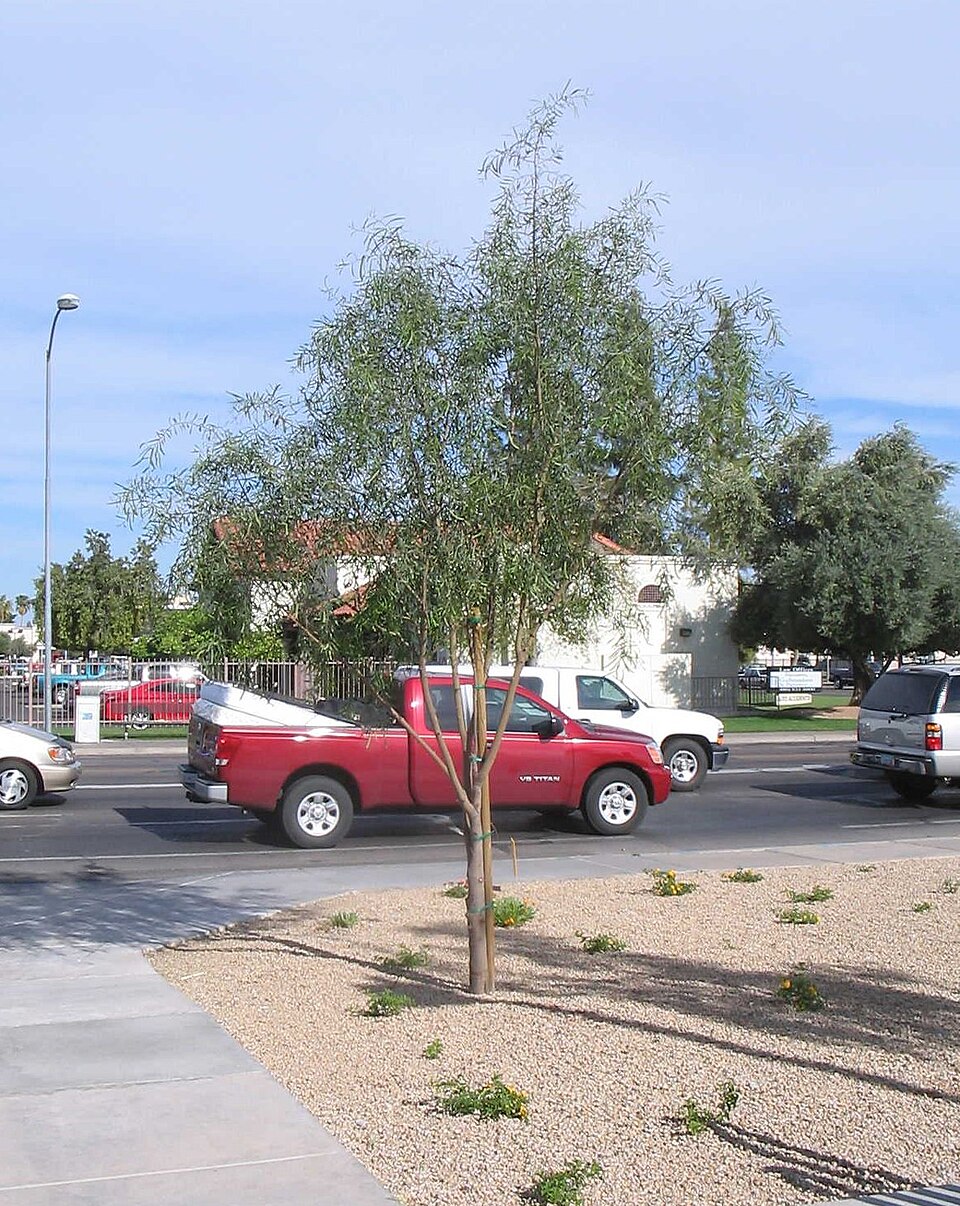
Acacia salicina is an evergreen tree or large shrub in the pea family, reaching 15-40 feet (4.5-12 m) tall with a slender trunk and pendulous, willow-like branches. Like other wattles it bears flattened leaf-stalks called phyllodes in place of true leaves; these are narrow, 2-6 inches (5-15 cm) long, grey-green to blue-green, and hang from the drooping branchlets. Cream to pale yellow globular flower heads about 0.2-0.3 inch (5-8 mm) wide appear in small clusters, mainly in autumn and winter and lightly fragrant. Curved to coiled woody pods 2-5 inches (5-13 cm) long follow, splitting to reveal dark seeds each partly wrapped in a fleshy red stalk. Growth is fast, with trees reaching 10 feet (3 m) within a few years, and the species suckers freely from the roots to form thickets. It tolerates drought, salinity, and periodic flooding but has brittle wood and a relatively short life of fifteen to thirty years.
Native Range
Native to mainland Australia, widespread through inland and semi-arid regions of all mainland states. It grows along watercourses, floodplains, and on heavy or saline soils, from arid zones to drier coastal areas.Suggested Uses
Planted for shade, windbreaks, and erosion control on dry, saline, or heavy soils, spaced 15-25 feet (4.5-7.5 m) apart. Its salt and drought tolerance suits inland and degraded sites. Root suckering and brittle limbs make it less suited to small gardens and paved areas.How to Identify
Appearance
Size & Dimensions
Height15' - 40'
Width/Spread12' - 25'
Bloom Information
Detailed Descriptions
Flower Description
cream to pale yellowFoliage Description
grey-green to blue-greenGrowing Conditions
Sun Requirements
Requires 6-10 hours of direct sunlight daily
• Full Sun: 6+ hours of direct sunlight
• Partial Shade: 3-6 hours of direct sunlight
• Full Shade: Less than 3 hours of direct sunlight
Care & Maintenance
Care Guide
Grows in full sun on most soils, including heavy clay, saline, and seasonally waterlogged ground. Young trees establish fast with occasional water in the first year, after which they tolerate extended drought and salinity. The wood is brittle and prone to limb breakage in storms, and trees are relatively short-lived at fifteen to thirty years. Root suckering can produce unwanted stems several metres from the trunk. The species fixes nitrogen and needs no feeding on average soils. Borers and galls occur but seldom cause major harm.Pruning
Formative pruning of young trees to a single leader reduces later limb breakage in the brittle wood. Dead and crossing branches are removed in late winter before flowering. Root suckers are cut or dug out where spread is unwanted.Pruning Schedule
Prune: August
winter