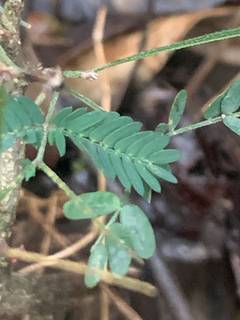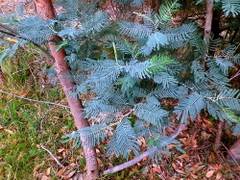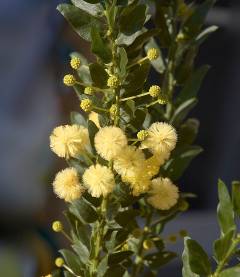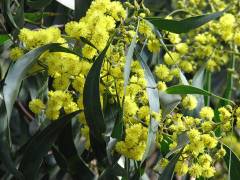
Acacia, Genus, gunnii, Species,
- Genus & species
ploughshare wattle
Overview
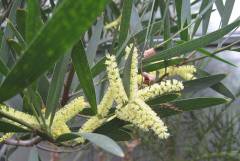
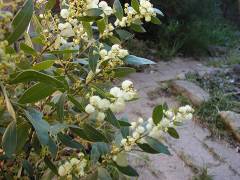
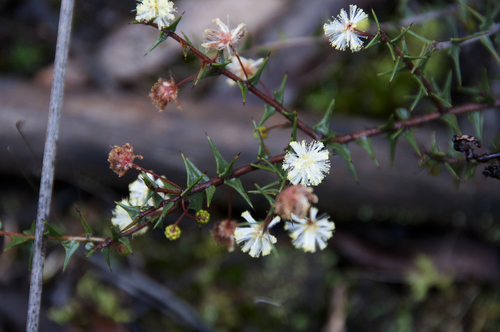
Acacia gunnii is a low, often prostrate, prickly evergreen shrub growing 4-16 inches (10-40 cm) tall and spreading 12-32 inches (30-80 cm) wide, forming a wiry, ground-hugging mat. In place of leaves it carries small, stiff phyllodes 0.2-0.5 inch (5-12 mm) long, triangular and asymmetrical with a sharp point, their shape giving rise to the ploughshare name. Pale yellow to cream globular flower heads about 0.2 inch (5-6 mm) across are borne singly in the phyllode axils from late autumn through winter into early spring. Short, narrow seed pods follow and split to release seed. The species grows in heath, dry sclerophyll woodland, and rocky ground across southeastern Australia on sandy and gravelly soils. It tolerates poor soil and short drought but is small and easily overgrown by taller plants. The prickly phyllodes and ground-hugging habit make it a low barrier or rock-garden plant rather than a feature shrub. As a legume it fixes nitrogen and can knit together poor, stony ground.
Native Range
Acacia gunnii is native to southeastern Australia, from Queensland through New South Wales, the Australian Capital Territory, Victoria, and Tasmania. It grows in heath, dry woodland, and rocky ground on sandy and gravelly soils.Suggested Uses
Planted in rock gardens, native and heath plantings, and as low prickly cover on dry, stony banks. Used for nitrogen-fixing cover and small-bird habitat. Spaced 16-24 inches (40-60 cm) apart for a low mat.How to Identify
Appearance
Size & Dimensions
Height4" - 1'4"
Width/Spread1' - 2'8"
Bloom Information
Detailed Descriptions
Flower Description
Pale yellow to creamFoliage Description
Green (phyllodes)Growing Conditions
Sun Requirements
Requires 6-10 hours of direct sunlight daily
• Full Sun: 6+ hours of direct sunlight
• Partial Shade: 3-6 hours of direct sunlight
• Full Shade: Less than 3 hours of direct sunlight
Care & Maintenance
Care Guide
Acacia gunnii grows in full sun to light shade in well-drained sandy or gravelly soil and tolerates poor, stony ground. Established plants handle short drought, while sharp drainage prevents the root rot that follows wet soil. Cold hardiness covers light to moderate frost, roughly USDA zones 8-10. As a legume it fixes its own nitrogen and needs no feeding. Plants are small and slow, so they are kept clear of vigorous neighbors that would shade them out.Pruning
A light trim after flowering keeps the low mat dense and removes spent flowering wood. Plants tolerate shaping but recover slowly from cuts into bare old stems. No routine heavy pruning is undertaken.Pruning Schedule
Prune: September–October
early spring
Container Growing
Suitable for container growing
Minimum container size: 3 gallons