Image 1 of 3
1 / 3
Plant Reference
Abelia, Genus, ×, Hybrid, grandiflora, Species, 'Sunrise', Cultivar,
- Genus & species
- Hybrid
- Cultivar
sunrise glossy abelia
Overview
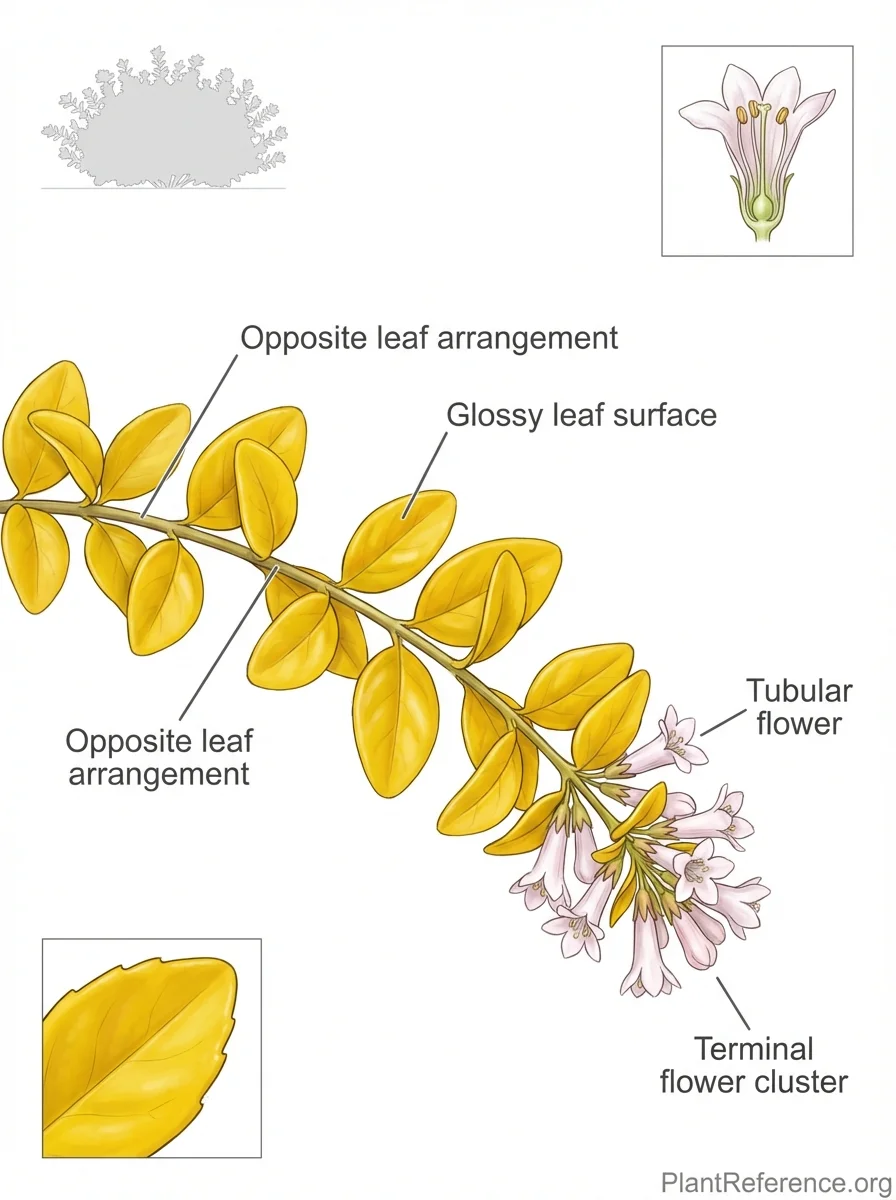
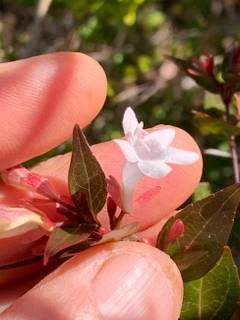
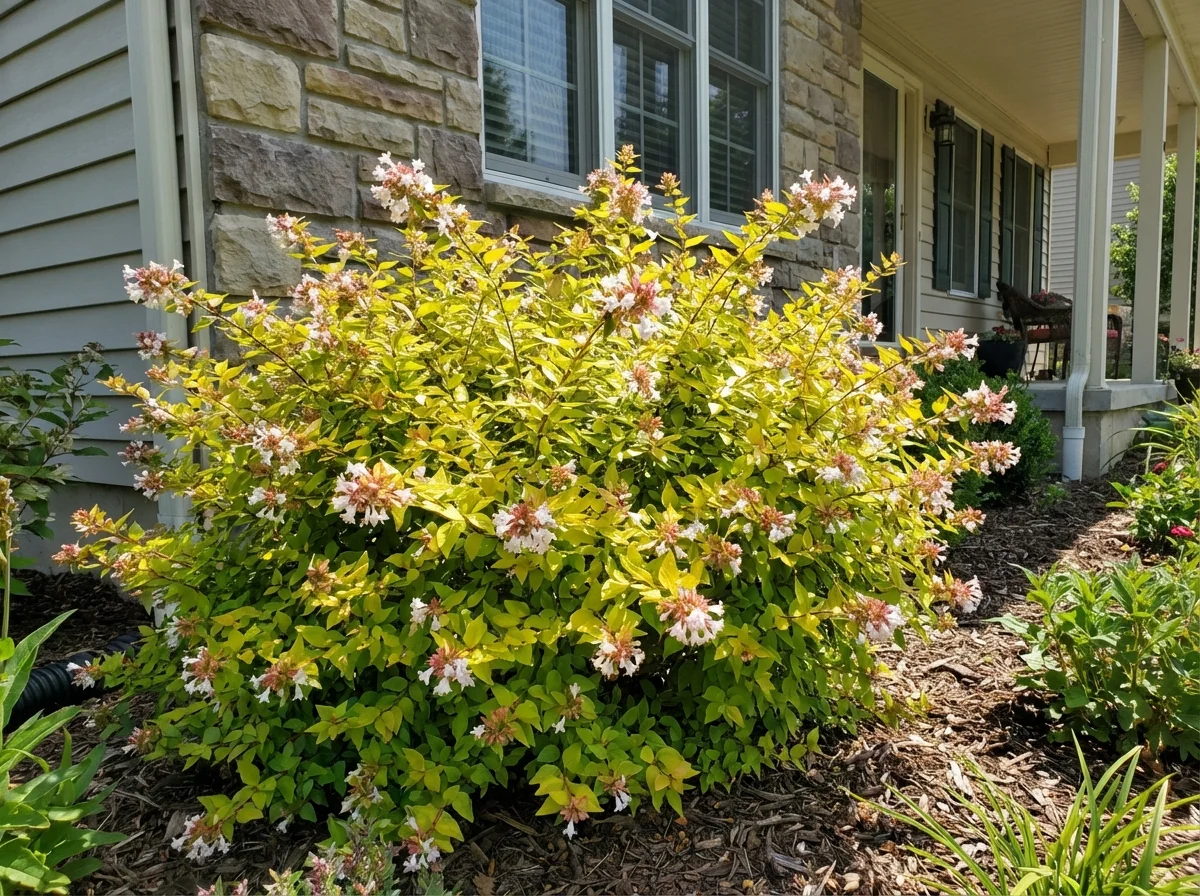
Abelia × grandiflora 'Sunrise' is a compact, mounding semi-evergreen shrub reaching 2–3 feet (60–90 cm) tall with a spread of 3–4 feet (90–120 cm). The typical Abelia × grandiflora reaches 4–6 feet (1.2–1.8 m); this cultivar is substantially smaller. Leaves are oval, 0.5–1 inch (1.3–2.5 cm) long, glossy, and borne in opposite pairs on arching stems. Foliage emerges bright golden-yellow in spring, transitions to chartreuse-yellow through summer, then develops orange-red tones in fall before dropping in zones 6–7 and persisting semi-evergreen in zones 8–9. Tubular flowers, white to pale pink and approximately 0.75 inch (2 cm) long, appear in terminal clusters from June through September. Pink-tinged persistent sepals remain on the plant after petals drop, extending into fall. In poorly drained soils, root rot may develop within 1–2 years. Reversion shoots with larger, darker green leaves and more vigorous upright growth occur periodically and, if not removed, will gradually displace the cultivar foliage characteristics. Growth rate produces a mature clump within 2–3 years of planting.
Native Range
Abelia × grandiflora is an artificial hybrid with no native range, created in Italian nurseries in the 19th century by crossing Abelia chinensis from eastern China with Abelia uniflora from central China. The 'Sunrise' cultivar was developed through subsequent horticultural selection. Neither the hybrid nor the cultivar occurs in wild populations.Suggested Uses
Commonly used as a low informal hedge at 3-foot (90 cm) spacing and in mixed shrub or perennial borders. Suitable for containers of at least 5 gallons (19 L) with good drainage; in zone 6, containers require winter protection. Foliage color diminishes significantly in deep shade, and flowering decreases in sites receiving fewer than 4 hours of direct sun daily.How to Identify
Appearance
Size & Dimensions
Height2' - 3'
Width/Spread3' - 4'
Colors
Bloom Information
Flowers from June through September in most zones, with some sporadic bloom extending into October in zones 8–9 and beginning in May in warmer climates. Individual flowers last 3–5 days; successive flowering extends total bloom 12–16 weeks. Bloom may diminish during periods of sustained temperatures above 95°F (35°C) and resume when temperatures decline.
Detailed Descriptions
Flower Description
white to pale pinkFoliage Description
golden-yellow in spring, chartreuse-yellow in summer, orange-red in fallGrowing Conditions
Sun Requirements
Requires 4-12 hours of direct sunlight daily
• Full Sun: 6+ hours of direct sunlight
• Partial Shade: 3-6 hours of direct sunlight
• Full Shade: Less than 3 hours of direct sunlight
Care & Maintenance
Care Guide
Water weekly during the first growing season in the absence of rain. Established plants tolerate dry intervals of 7–10 days but flower production decreases during prolonged drought. In heavy clay or poorly drained soils, root rot may develop within 1–2 years; planting in amended or raised beds reduces this risk. Foliage color is most pronounced with 6 or more hours of direct sun daily; plants in afternoon shade in hot climates show acceptable color but less intensity. Apply balanced slow-release fertilizer in early spring; excess nitrogen reduces foliage color intensity. Aphids may colonize new growth in spring; powdery mildew may develop in humid, low-air-circulation conditions and is cosmetic only.Pruning
Prune in early spring before new growth, typically in March, removing any winter-damaged stems to ground level — expect 30–50% dieback in zone 6, minimal damage in zones 8–9. After the first flush of bloom in July, lightly shear to encourage additional flowering and maintain compact form. For overgrown plants, cut the entire shrub to 6–8 inches (15–20 cm) in early spring; it will regrow to full size within one growing season with reduced flowering that year. Remove reversion shoots as they appear by cutting back to their point of origin.Pruning Schedule
Prune: March & July
early springsummer
Container Growing
Suitable for container growing
Minimum container size: 5 gallons
Toxicity
Non-toxicBotanical Flashcard