Image 1 of 14
1 / 14
Plant Reference
Abelia, Genus, ×, Hybrid, grandiflora, Species,
- Genus & species
- Hybrid
glossy abelia
Hybrid of garden origin; the cross was made in Italy in the 1880s from two Chinese parent species — Abelia chinensis (eastern China) and Abelia uniflora (central China)
Overview
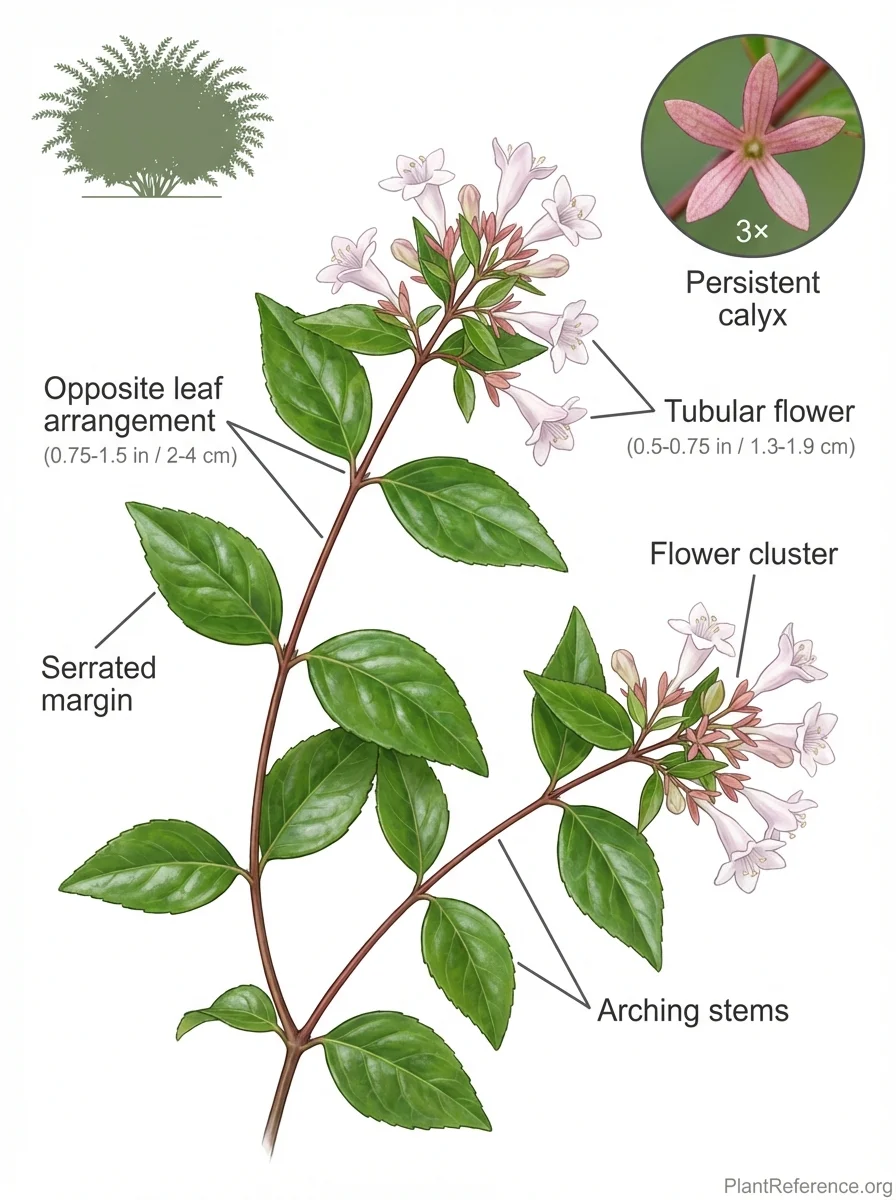
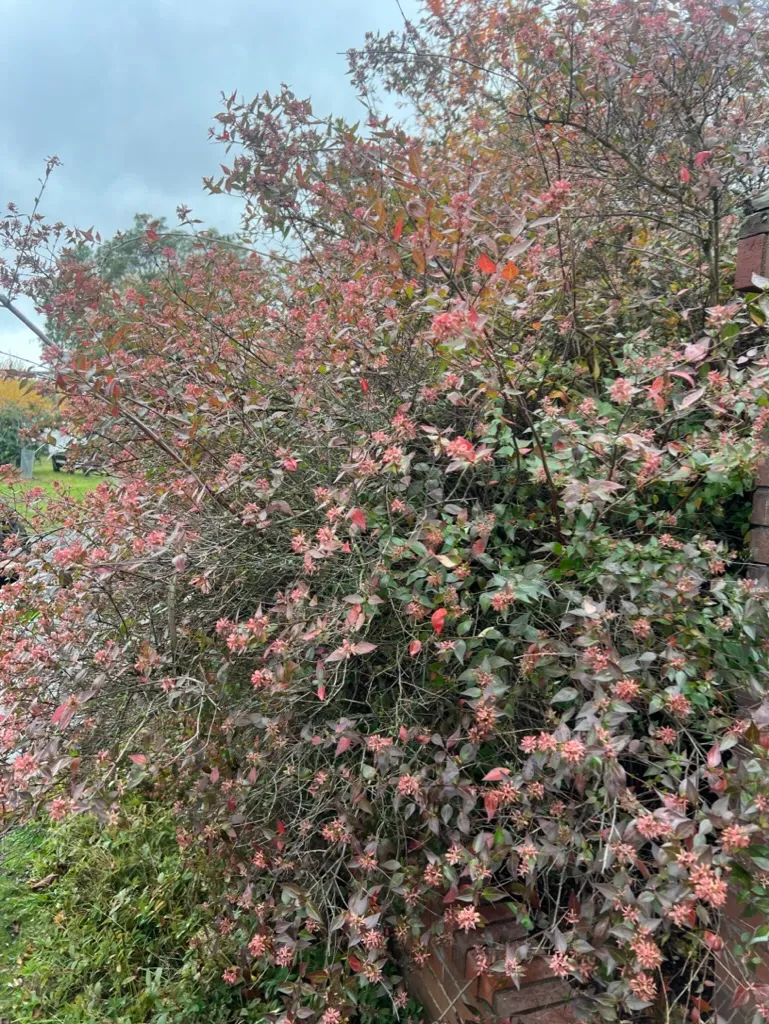
Abelia × grandiflora is a mounding semi-evergreen hybrid shrub in the honeysuckle family Caprifoliaceae growing 36–72 inches (90–180 cm) tall and 36–60 inches (90–150 cm) wide from a multi-stemmed base that produces gracefully arching stems. The hybrid is a cross between Abelia chinensis (eastern China) and Abelia uniflora (central China), and the cross was first made in Italy in the 1880s. Leaves are dark green and glossy on the upper surface, oval, 0.5–1 inch (12–25 mm) long, and emerge bronze-red in spring before maturing to dark green through summer and developing bronze-purple tints in fall — the foliage is semi-evergreen, retained through winter in zones 8 and 9 and shed in cold winters in zones 6 and 7 where the stems may die back to the ground during severe freezes and regrow from the roots the following spring at a reduced height. White to pale pink tubular-funnel-shaped flowers 0.75 inch (18 mm) long open continuously from June through October across a 14–16 week bloom period on the current season's new growth, and the flowers carry a light fragrance. After the petals drop, the persistent pink-to-red sepals remain on the stems for several additional weeks and extend the color display into late fall — this post-petal sepal persistence is a main ornamental character of the species and adds 3–4 weeks of color beyond the actual petal drop. The 14–16 week bloom window is a long continuous flowering period for a deciduous shrub and fills the late-season gap in the shrub border when most other flowering shrubs have finished for the year. Hummingbirds and butterflies work the tubular flowers for nectar through the full bloom period. Cultivars include 'Kaleidoscope' (variegated gold, green, and orange foliage that turns red in fall), 'Edward Goucher' (lavender-pink flowers on a smaller shrub 3–4 feet / 0.9–1.2 m), and 'Rose Creek' (compact 24–36 inches / 60–90 cm, white flowers). Drought-tolerant once established. Non-toxic and deer-resistant.
Native Range
Hybrid of garden origin — the cross was first made in Italy in the 1880s from two Chinese parent species: Abelia chinensis (eastern China) and Abelia uniflora (central China). The parent species grow in mountain forest habitats in central and eastern China, and the hybrid combines the heavy flowering of A. chinensis with the cold hardiness of A. uniflora to produce a garden shrub that blooms from summer through fall across a wide hardiness range (zones 6–9).Suggested Uses
Used in mixed shrub borders, foundation plantings, informal hedges, and containers of at least 5 gallons (19 L) at 36–60 inch (90–150 cm) spacing between plants. The 14–16 week bloom period from June through October fills the late-season flowering gap in the shrub border when most other flowering shrubs have finished, and the persistent pink-to-red sepals extend the color display after the petals drop. Hummingbird and butterfly gardeners grow the species as a late-season nectar source that carries pollinators into the fall migration period. Cultivars with variegated or golden foliage ('Kaleidoscope') and compact growth ('Rose Creek') expand the design uses into small-space and foliage-accent applications. Cold exposed positions in zone 6 where sustained winter temperatures below 0 °F (−18 °C) kill the stems to the ground are acceptable because the species regrows from the roots and blooms on new wood, but the reduced first-year height from the regrowth limits the full shrub-border effect in those positions.How to Identify
Appearance
Size & Dimensions
Height3' - 6'
Width/Spread3' - 5'
Bloom Information
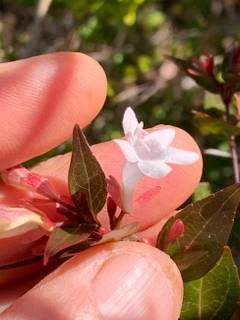
White to pale pink tubular-funnel-shaped flowers 0.75 inch (18 mm) long open continuously from June through October across a 14–16 week bloom period on the current season's new growth, and the flowers carry a light fragrance. After the petals drop, the persistent pink-to-red sepals remain on the stems for several additional weeks and extend the color display into late fall. Hummingbirds and butterflies work the tubular flowers for nectar through the full bloom period, and the late-season bloom (August through October) fills the gap in the shrub border when most other flowering shrubs have finished for the year.
Detailed Descriptions
Flower Description
white to pale pink tubular-funnel-shaped flowers 0.75 inch (18 mm) long, lightly fragrant; after the petals drop, the persistent pink-to-red sepals remain on the stems for several additional weeks and extend the color display into late fallFoliage Description
dark green and glossy on the upper surface; oval leaves 0.5-1 inch (12-25 mm) long; new growth emerges bronze-red in spring and the foliage develops bronze-purple tints in fall before shedding in cold climates; some cultivars carry variegated or golden foliage year-roundGrowing Conditions
Sun Requirements
Requires 5-10 hours of direct sunlight daily
• Full Sun: 6+ hours of direct sunlight
• Partial Shade: 3-6 hours of direct sunlight
• Full Shade: Less than 3 hours of direct sunlight
Care & Maintenance
Care Guide
Site in full sun for the densest flowering (5 or more hours of direct sun per day), and the species tolerates partial shade with reduced but still continuous bloom through the summer and fall period. Well-drained loam soil with a pH of 5.5–7.5 holds the root system through all seasons, and the species tolerates a wide range of soil conditions without significant decline. Drought tolerance develops once the root system is established after the first or second growing season. In zones 6 and 7 the stems may die back to the ground during severe winter freezes, and the plant regrows from the roots the following spring at a reduced height — this winter dieback does not reduce flowering because the species blooms on the current season's new growth and the spring regrowth produces flowering stems through the full summer and fall period. Pruning is done in early spring (March) by removing winter-killed stems to the point where new buds are visible on the live wood, and an annual rejuvenation cut of one-third of the oldest stems at the base opens the center of the shrub and promotes vigorous new flowering growth. Non-toxic and deer-resistant. Hardy in USDA zones 6–9.Pruning
Pruning is done in early spring (March) before new growth begins. In zones 6 and 7, winter-killed stems are removed to the point where live buds are visible on the surviving wood, and in zones 8 and 9 where the stems survive winter intact, one-third of the oldest stems are cut at the base each year to open the center of the shrub and promote vigorous new flowering growth. The species blooms on the current season's new growth, so spring pruning does not reduce flowering — the new stems that grow after the spring cut produce flowers through the full summer and fall bloom period. Hard rejuvenation pruning (cutting the entire shrub to 6–12 inches / 15–30 cm from the ground) can be done in early spring if the shrub has become leggy or overgrown, and the regrowth produces a full flush of flowering stems by midsummer.Pruning Schedule
Prune: March
early spring
Container Growing
Suitable for container growing
Minimum container size: 5 gallons
Toxicity
Non-toxicPlanting Guide
Planting Methods & Timing
Planting Method
transplant
Botanical Flashcard