Image 1 of 6
1 / 6
Plant Reference
Abelia, Genus, ×, Hybrid, grandiflora, Species, 'Edward Goucher', Cultivar,
- Genus & species
- Hybrid
- Cultivar
Edward Goucher abelia
Hybrid of garden origin — 'Edward Goucher' is a cross of {A. × grandiflora} × {A. schumannii}; parent species from China; selected by Edward Goucher at the USDA in 1911
Overview
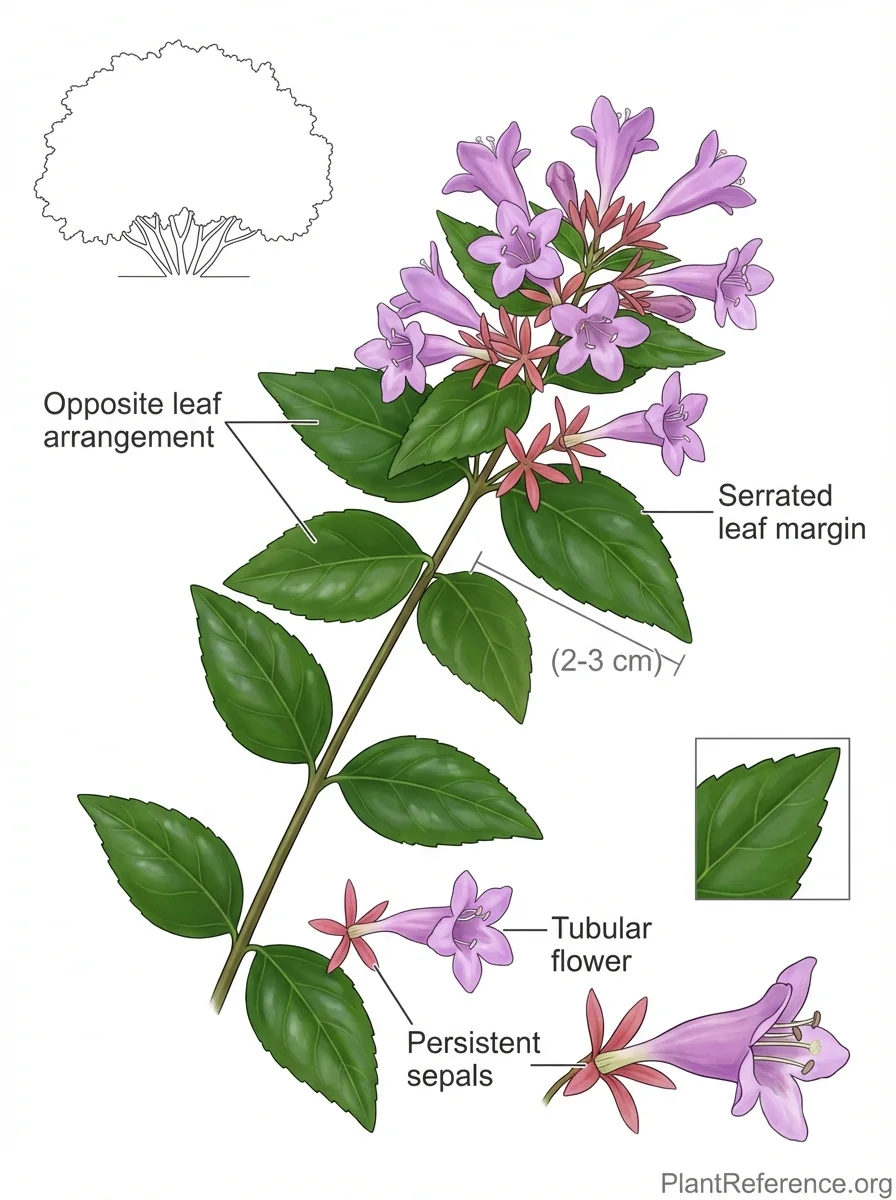
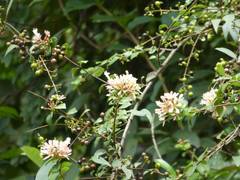
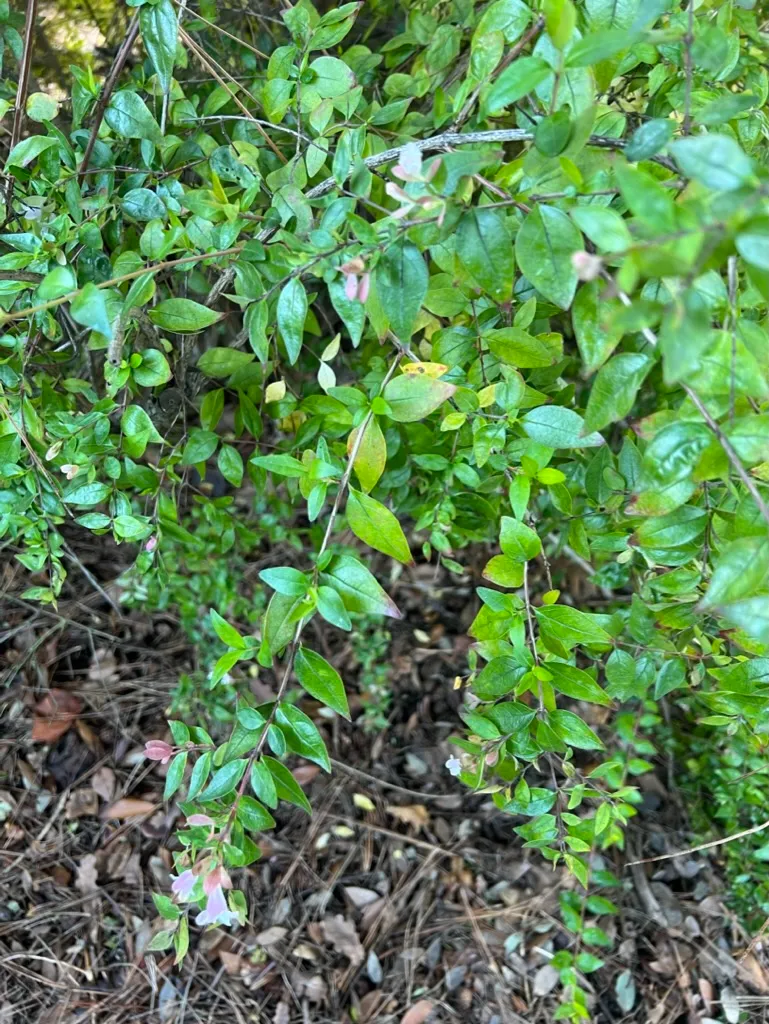
Abelia × grandiflora 'Edward Goucher' is Edward Goucher abelia (fragrant abelia), a spreading semi-evergreen shrub growing 3-5 feet (0.9-1.5 m) tall and 3-6 feet (0.9-1.8 m) wide. Lavender-pink tubular flowers 0.75 inch (2 cm) in clusters from July through October (14 weeks). Pinkish-red persistent sepals (calyces) extend the display after petals drop. Glossy dark green bronze-tinted new growth; purple-bronze fall color. In Caprifoliaceae. A hybrid between A. × grandiflora and A. schumannii, selected by Edward Goucher at the USDA in 1911. More compact than the species (which has white flowers). Flowers on current season's growth. The 14-week bloom period from midsummer through fall fills a gap when few other shrubs are flowering. Lightly fragrant. Attracts butterflies and hummingbirds. Drought-tolerant once established. Semi-evergreen in zones 7-9 — deciduous and may die back to the ground in zones 5-6. This marginal hardiness in colder zones is the primary limitation. Deer browse. Non-toxic. Zones 5-9. Full sun. Growth rate is moderate to fast.
Native Range
Hybrid of garden origin — a cross of A. × grandiflora × A. schumannii; parent species from China. Selected by Edward Goucher at the USDA in 1911.Suggested Uses
Grown in mixed borders, hedges, foundation plantings, and in containers of at least 10 gallons (38 L), spaced 3-6 feet (0.9-1.8 m). Long bloom (14 weeks). Butterfly and hummingbird magnet. Non-toxic. Zones 5-9.How to Identify
Appearance
Size & Dimensions
Height3' - 5'
Width/Spread3' - 6'
Bloom Information
Detailed Descriptions
Flower Description
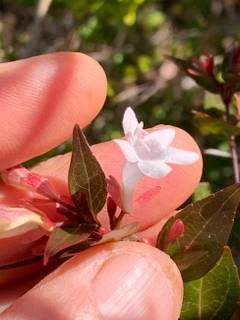
Lavender-pink, tubular to funnel-shaped, 0.75 inch (2 cm), in clusters at branch tips and leaf axils; pinkish-red persistent sepals (calyces) remain after flowers drop, extending the display into fallFoliage Description
Glossy dark green, ovate, 0.75-1.5 inches (2-4 cm); new growth bronze-tinted; purple-bronze fall color; semi-evergreen — retained in mild winters (zones 7-9), deciduous in zones 5-6Growing Conditions
Sun Requirements
Requires 4-8 hours of direct sunlight daily
• Full Sun: 6+ hours of direct sunlight
• Partial Shade: 3-6 hours of direct sunlight
• Full Shade: Less than 3 hours of direct sunlight
Care & Maintenance
Care Guide
Full sun to partial shade (4-8 hours). Well-drained soil pH 6.0-7.5. Drought-tolerant once established. Flowers on current-season growth — prune in late winter (February-March). Semi-evergreen zones 7-9; may die back zones 5-6. Attracts butterflies and hummingbirds. Deer browse. Non-toxic. Zones 5-9.Pruning
Prune in late winter (February-March) before new growth. Remove dead, damaged, and oldest canes at the base. Shape as desired — flowers on current season's growth. In zones 5-6, remove winter-killed growth in spring.Pruning Schedule
Prune: February–March
late winter
Container Growing
Suitable for container growing
Minimum container size: 10 gallons
Toxicity
Non-toxicBotanical Flashcard