Woodwardia, Genus, virginica, Species,
- Genus & species
Virginia chainfern
Overview
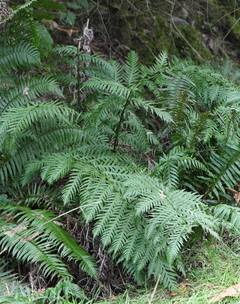
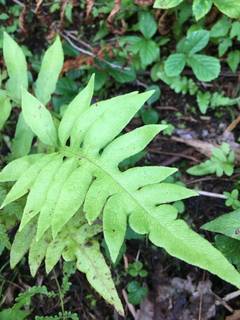
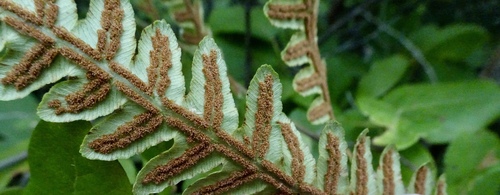
Woodwardia virginica is a deciduous fern in the family Blechnaceae, sending up erect fronds 18-36 inches (45-90 cm) tall, and occasionally to 48 inches (120 cm), at intervals along a long, creeping underground rhizome. Because the rhizome wanders widely, the fronds rise singly rather than in tight clumps, forming open colonies across wet ground. Each frond is once-pinnate with deeply lobed segments, giving a twice-cut outline, and the lower stalk is dark reddish-brown to blackish. The blades are medium to yellow-green and somewhat leathery. Spore cases are arranged in chain-like rows on either side of the midribs and lateral veins, a pattern that gives the plant its common name. Fronds emerge in spring, mature through summer, and die back after the first hard frost. The plant spreads chiefly by its rhizome and by wind-borne spores. One limitation in cultivation is its need for constantly wet, acidic conditions, which restricts it to bog gardens and pond margins.
Native Range
Woodwardia virginica is native to eastern North America, ranging along the coastal plain from Nova Scotia and the Great Lakes south to Florida and Texas, with scattered inland populations. It grows in acidic bogs, swamps, marshes, wet woods, and the edges of ponds, often in standing water.Suggested Uses
This fern is grown in bog gardens, pond and stream margins, rain gardens, and other consistently wet, acidic sites. Its spreading rhizome makes it useful for covering ground and stabilizing soft, mucky soils. In naturalistic plantings it pairs with sedges, sphagnum, and other wetland plants.How to Identify
Growing Conditions
Sun Requirements
Requires 4-10 hours of direct sunlight daily
• Full Sun: 6+ hours of direct sunlight
• Partial Shade: 3-6 hours of direct sunlight
• Full Shade: Less than 3 hours of direct sunlight
Care & Maintenance
Care Guide
Woodwardia virginica grows in full sun to partial shade in permanently moist to wet, acidic soil rich in peat or organic matter. It withstands standing water and seasonal flooding, matching its natural bog and swamp habitats. The creeping rhizome can spread widely in wet, sunny sites, so it is given room in a bog garden or pond edge. It tolerates poor, low-nutrient soils and needs no fertilizer. Cold hardiness extends through much of its range, with fronds dying back each winter and regrowing in spring. Drying out is the main cause of decline, since the plant has little drought tolerance.Pruning
Pruning is limited to removing dead fronds. Old, frost-killed fronds can be cut back in late winter before new growth unfurls. Where the rhizome spreads beyond its space, sections can be dug and removed to contain the colony.Container Growing
Suitable for container growing
Minimum container size: 5 gallons