Woodwardia, Genus, areolata, Species,
- Genus & species
netted chain fern
Overview
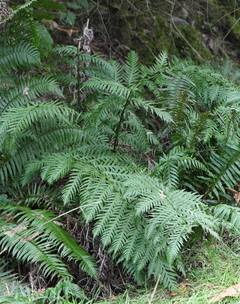
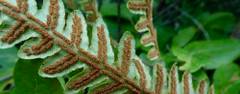
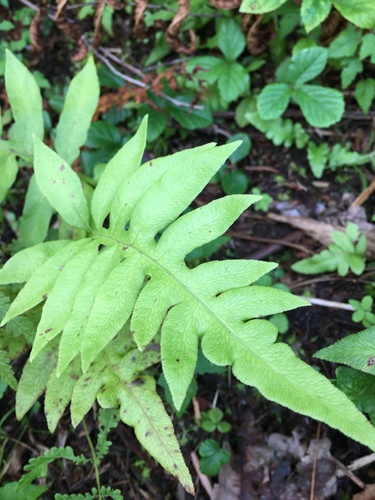
Woodwardia areolata is a deciduous fern of eastern North American wetlands, spreading by slender creeping rhizomes to form open colonies 12-24 inches (30-60 cm) tall. It bears two kinds of fronds: broad, glossy sterile fronds with deeply lobed, finely toothed segments joined by a network of veins that gives the netted chain fern its name, and taller, narrow fertile fronds with bead-like segments holding the spore cases in chain-like rows. New spring growth is often tinged reddish before turning green. The fronds rise singly from the rhizome rather than in tight clumps, giving a loose, spreading stand. Native to acidic swamps, bogs, seeps, wet woods, and stream margins from Nova Scotia to Florida and west to Texas, it grows in part shade to shade on constantly moist to wet, peaty or sandy soil. It tolerates standing water and dense shade but fails in dry or alkaline ground. Hardy in USDA zones 3-9, the fronds die back with frost. It resembles sensitive fern but has toothed frond edges and netted veins. Spreading rhizomes can form wide patches over time. The fern is grown for its glossy foliage and its tolerance of wet, shaded sites where few plants establish.
Native Range
Native to eastern North America, from Nova Scotia and Ontario south to Florida and west to Texas, with a concentration along the coastal plain. It grows in acidic swamps, bogs, seeps, wet woodlands, and along shaded stream margins.Suggested Uses
Used in bog gardens, rain gardens, pond and stream margins, and shaded wetland borders, spaced 18-24 inches (45-60 cm) apart. Suited to constantly wet, acidic, shaded ground where it forms a spreading groundcover of glossy fronds.How to Identify
Appearance
Size & Dimensions
Height1' - 2'
Width/Spread1'6" - 3'
Bloom Information
Ferns reproduce by spores rather than flowers. Fertile fronds appear in summer, their bead-like segments releasing spores from midsummer into fall. The dark fertile fronds often persist into winter after the sterile fronds die back.
Detailed Descriptions
Foliage Description
greenGrowing Conditions
Sun Requirements
Requires 2-5 hours of direct sunlight daily
• Full Sun: 6+ hours of direct sunlight
• Partial Shade: 3-6 hours of direct sunlight
• Full Shade: Less than 3 hours of direct sunlight
Care & Maintenance
Care Guide
Grow in part shade to full shade on constantly moist to wet, acidic, peaty or sandy soil. The fern tolerates standing water, boggy ground, and deep shade but fails where soil dries or turns alkaline. No feeding is needed in humus-rich wet soil. It spreads by creeping rhizomes into open colonies and can be divided in spring. Hardy in USDA zones 3-9, the fronds die back after frost and return in spring. A surface mulch keeps the roots cool and damp.Pruning
Cut away dead fronds in late fall or early spring before new growth unrolls. No other pruning is needed. Dividing the rhizomes in spring controls spread and starts new plants.Pruning Schedule
Prune: March & November
fallearly spring
Container Growing
Suitable for container growing
Minimum container size: 3 gallons