Woodwardia, Genus, spp., Multiple species,
- Genus
- Multiple species
chain fern
Northern Hemisphere: North America, Asia, and the Mediterranean
Overview
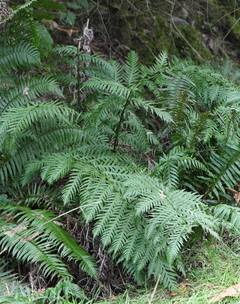
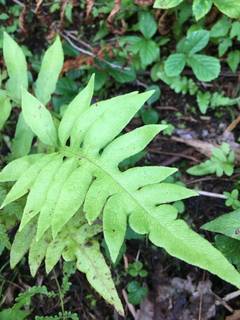
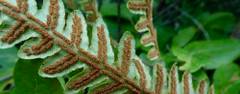
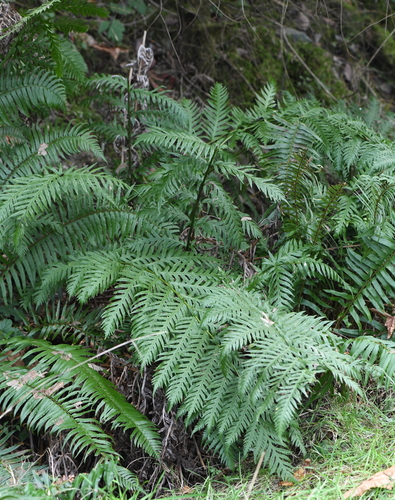
Woodwardia, the chain ferns, is a genus of about 14 large ferns in the family Blechnaceae, spread across the Northern Hemisphere in North America, eastern Asia, and the Mediterranean. The common name comes from the spore clusters (sori), which line up in neat chain-like rows on either side of the midrib of the fertile frond segments. Plants produce broad, once- to twice-divided fronds that arch outward from a stout rhizome, ranging from about 0.5 m to 2.5 m (1.5-8 ft) long depending on species and conditions. Young fronds are often flushed red or bronze before turning green. Some species, such as W. fimbriata of western North America, hold their fronds through winter, while others, such as the wetland W. virginica of the east, die back in autumn. A few Asian species form plantlets (bulbils) on the frond surface that root where the frond tips touch ground. The genus favours moist to wet, acidic to neutral soils in partial shade, often along streams, seeps, and bog margins. Most are frost-hardy, though tolerance varies widely, and dry soils and deep shade limit growth.
Native Range
The genus is distributed across the Northern Hemisphere, with species in North America, eastern and southeastern Asia, and around the Mediterranean. North American species include the large evergreen W. fimbriata of the Pacific states and the deciduous W. virginica of eastern wetlands. Most grow in moist to wet habitats such as stream banks, seeps, swamps, and bog margins.Suggested Uses
Used in bog gardens, pond and stream margins, rain gardens, and moist woodland borders. The large fronds give height and texture in shaded, damp plantings. Bulbil-forming species are grown as a curiosity and propagated from the plantlets.How to Identify
Appearance
Size & Dimensions
Height1'6" - 8'
Width/Spread2' - 8'
Bloom Information
Ferns do not flower. Spores form in the chain-like sori on the underside of fertile fronds and ripen through summer into autumn. New fronds expand from the crown in spring, often with a red or bronze flush.
Detailed Descriptions
Foliage Description
green, red-flushed when youngGrowing Conditions
Sun Requirements
Requires 2-6 hours of direct sunlight daily
• Full Sun: 6+ hours of direct sunlight
• Partial Shade: 3-6 hours of direct sunlight
• Full Shade: Less than 3 hours of direct sunlight
Care & Maintenance
Care Guide
Plants grow in partial shade, and in consistently wet ground some tolerate more sun, in moist to wet, humus-rich, acidic to neutral soil. Steady moisture is the key requirement, as the genus grows naturally along water and suffers if it dries out. Evergreen species hold their fronds in mild winters, while deciduous species die back and resprout in spring. Hardiness varies by species, so winter performance depends on matching the species to the zone. A mulch of leaf mould conserves moisture and feeds the shallow roots. Few pests trouble them, though scorched margins follow drought or strong sun in dry soil.Pruning
Old or winter-damaged fronds are cut back to the crown in late winter before the new fronds unfurl. Evergreen species need only the removal of tattered fronds. Plants resprout from the rhizome and any bulbils that have rooted.Container Growing
Suitable for container growing
Minimum container size: 5 gallons