Valeriana, Genus, sitchensis, Species,
- Genus & species
sitka valerian
Overview
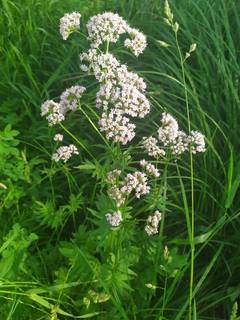
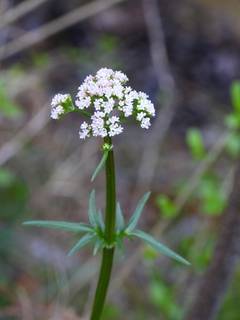
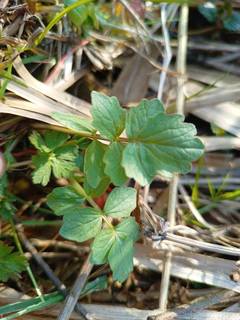
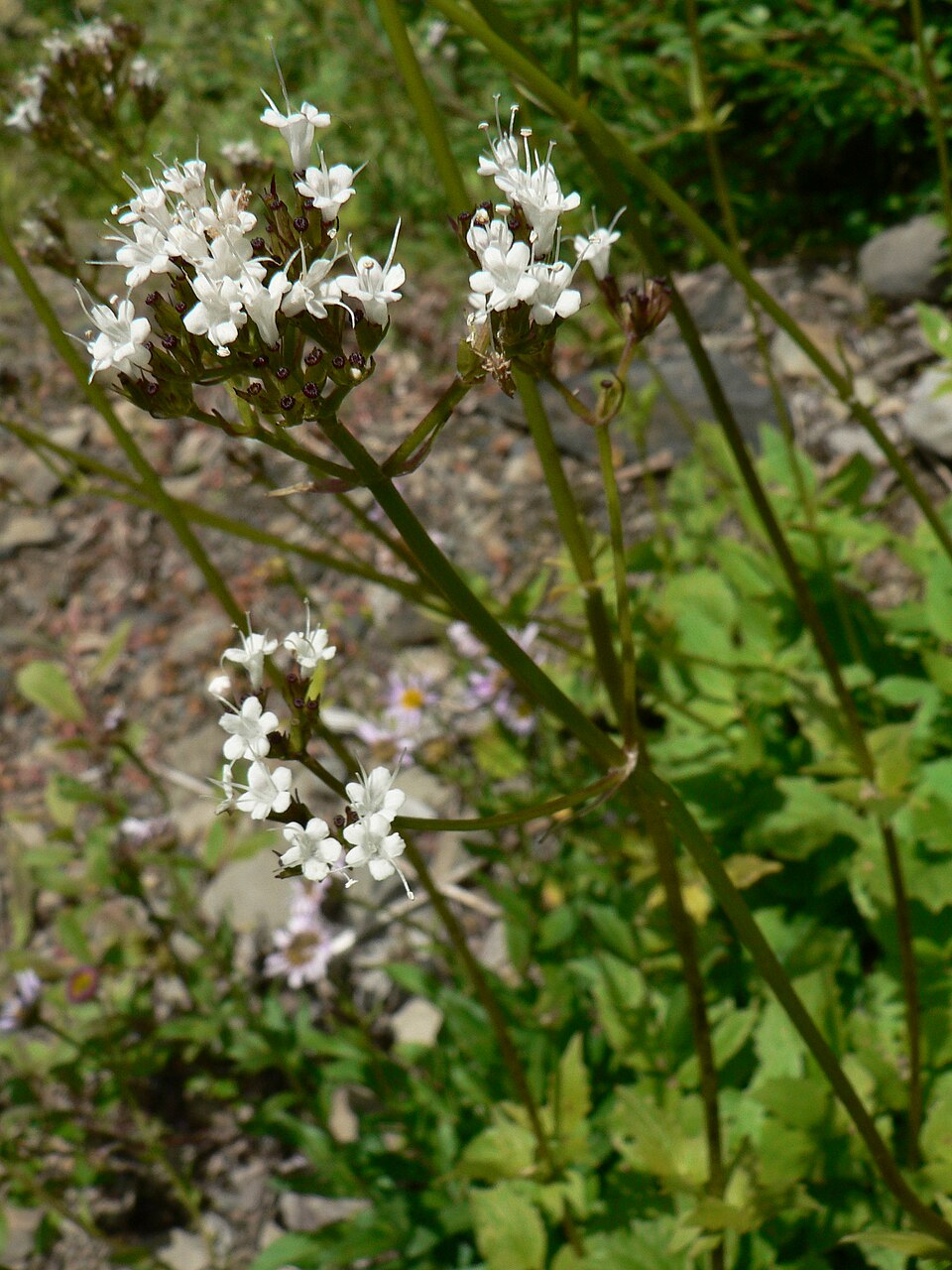
A clump-forming perennial growing 12–40 inches (30–100 cm) tall from a stout rhizome. Stems are square in cross-section and mostly hairless. Leaves are opposite, divided into 3–7 toothed leaflets with the terminal leaflet largest, 1–4 inches (2.5–10 cm) long, and medium green. Most leaves are clustered toward the base and lower stem. Small white to pale pink flowers, each about 0.1–0.2 inch (3–5 mm) across, are crowded into rounded to flat-topped clusters 1–3 inches (2.5–8 cm) wide at the stem tips, with stamens protruding past the petals. Bloom occurs from June to August, with timing depending on snowmelt at higher elevations. The flowers carry a musky scent. After bloom, small dry seeds form, each tipped with a feathery plume that aids wind dispersal. The roots have the musky odor characteristic of the genus. Foliage dies back to the rhizome in fall. Plants spread slowly into clumps over several years.
Native Range
Native to western North America from Alaska south through British Columbia to California, and east to Montana. Grows in moist subalpine and montane meadows, on streambanks, and in open forest at elevations from 2,000 to 9,000 feet (600 to 2,750 m).Suggested Uses
Grown in moist meadow plantings, native gardens, and streamside borders at 18–24 inch (45–60 cm) spacing. Used in cool-climate and subalpine-style gardens where summers stay mild. Not suited to hot, dry sites, where it fails to persist.How to Identify
Appearance
Size & Dimensions
Height1' - 3'4"
Width/Spread1' - 2'
Bloom Information
Flowers from June through August, beginning shortly after snowmelt and occurring later at higher elevations. An individual cluster blooms for about 2 weeks, and a stand remains in flower for 4–6 weeks. Cool mountain conditions lengthen the bloom period.
Detailed Descriptions
Flower Description
White to pale pinkFoliage Description
Medium greenGrowing Conditions
Sun Requirements
Requires 4-8 hours of direct sunlight daily
• Full Sun: 6+ hours of direct sunlight
• Partial Shade: 3-6 hours of direct sunlight
• Full Shade: Less than 3 hours of direct sunlight
Care & Maintenance
Care Guide
Grows in full sun to partial shade in consistently moist, well-drained soils high in organic matter. Water regularly during dry periods, as the plant declines in prolonged drought. It grows poorly in hot, low-elevation summers and is suited to cool climates. Self-sows where soil is bare and moist. Few pests affect it. Foliage and roots have a musky scent noticeable when handled. Clumps can be divided in spring every 4–5 years to maintain vigor.Pruning
Cut flowering stems back after seed set to limit self-seeding, or leave them for natural reseeding. Dead foliage can be removed in late fall after it yellows. Crowded clumps can be divided in early spring. No other pruning is needed.Pruning Schedule
Prune: March & October
fallearly spring