Valeriana, Genus, spp., Multiple species,
- Genus
- Multiple species
valerians
Temperate Northern Hemisphere and the South American Andes; Europe, Asia, and the Americas
Overview
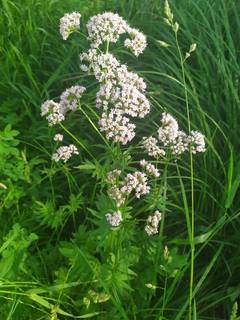
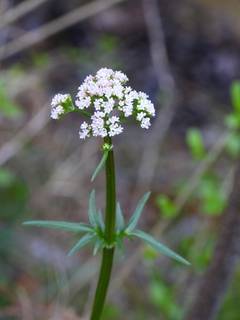
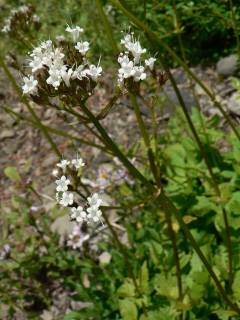
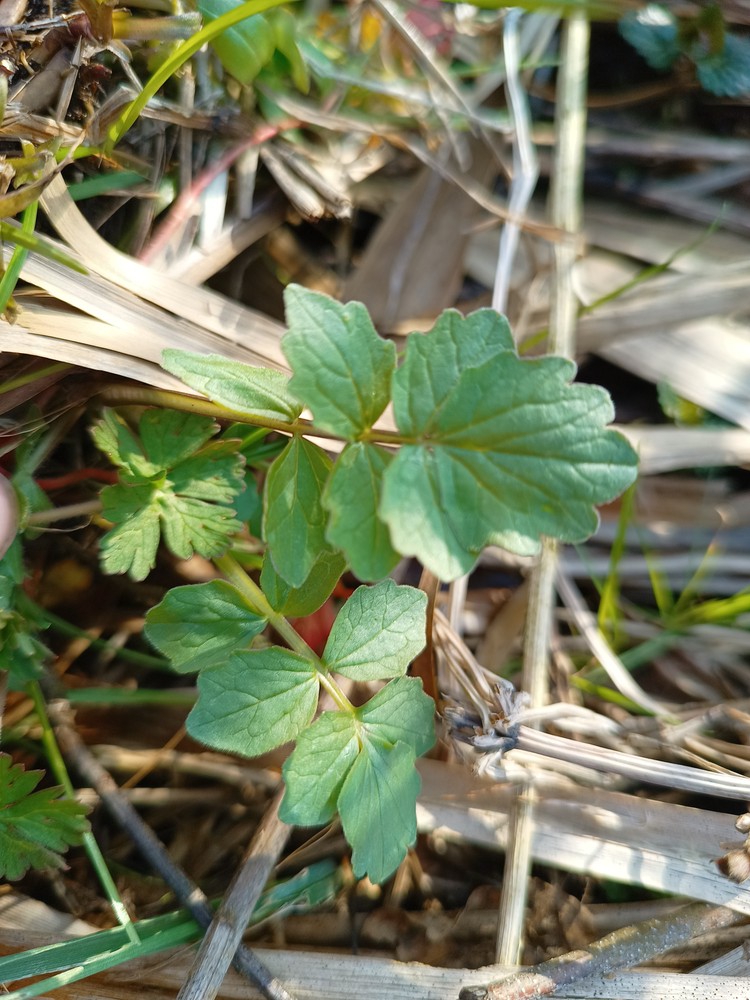
Valeriana is a genus of about 200 to 400 species in the honeysuckle family (Caprifoliaceae), the valerians, found through temperate regions of the Northern Hemisphere and in the South American Andes. Most are clump-forming perennials with upright flowering stems 1 to 5 ft (30 to 150 cm) tall above a basal rosette of leaves. The foliage is usually pinnately divided into paired leaflets, though leaf shape varies across the genus. Tiny flowers, each about 0.2 in (5 mm) across, are massed in domed or branched clusters at the stem tips, in white to pale pink, and carry a sweet scent in summer. V. officinalis, common valerian, is grown for its thick root, which has a long record of use as a sedative herb and gives off a strong, musky odor when dried. The genus spreads by seed and creeping rhizomes, and V. officinalis self-seeds enough to naturalize beyond gardens in parts of North America. Alpine and montane species such as V. sitchensis are lower and tighter, suited to cool sites. Plants die back to the rootstock over winter and resprout in spring.
Native Range
Valeriana is native across the temperate Northern Hemisphere, including Europe, temperate Asia, and North America, with a separate group of species in the South American Andes. V. officinalis originated in Europe and western Asia and has naturalized in cool, moist parts of North America.Suggested Uses
Valeriana grows in herb gardens, perennial borders, cottage gardens, and the moist edges of ponds and streams. The tall scented flower clusters are combined with summer perennials at the back of a border, spaced 18-24 in (45-60 cm) apart. V. officinalis is also grown in medicinal and pollinator plantings for its root and its nectar.How to Identify
Appearance
Size & Dimensions
Height1' - 5'
Width/Spread1' - 3'
Bloom Information
Flowers open in early to mid-summer, roughly June to August, held in dense domed clusters at the stem tips. The bloom lasts several weeks and gives off a sweet fragrance that draws bees, hoverflies, and butterflies. Seed heads with feathery, parachute-like tufts follow and scatter on the wind.
Detailed Descriptions
Flower Description
white to pale pinkFoliage Description
greenGrowing Conditions
Sun Requirements
Requires 4-8 hours of direct sunlight daily
• Full Sun: 6+ hours of direct sunlight
• Partial Shade: 3-6 hours of direct sunlight
• Full Shade: Less than 3 hours of direct sunlight
Care & Maintenance
Care Guide
Valeriana grows in moist, fertile soil in full sun to part shade at a pH of about 5.5 to 7.5. V. officinalis takes consistent moisture and can reach 5 ft (150 cm) in rich ground, while alpine species need sharper drainage and cooler conditions. The clumps spread by rhizomes and self-seed freely, so clearing flower heads before seed ripens limits their spread. Most species are hardy in USDA zones 4-9 and die back to the ground each winter. Lifting and dividing the clumps every few years in spring keeps them growing strongly. Few pests affect the genus, though tall stems may need support in exposed sites or rich soil.Pruning
Valeriana needs little pruning. Cut the flowering stems back after bloom to limit self-seeding, and remove the whole stem to the base once seed has shed. Remaining top growth is cut to the ground in late autumn or early spring.Pruning Schedule
Prune: August & November
summerfall