Valeriana, Genus, dioica, Species,
- Genus & species
marsh valerian
Overview
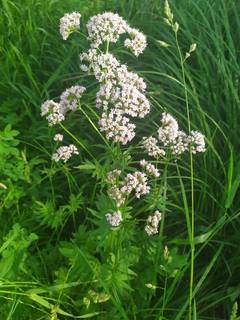
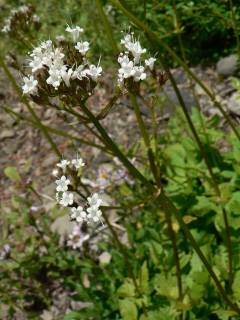
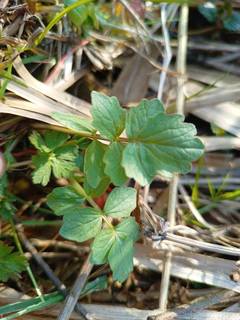
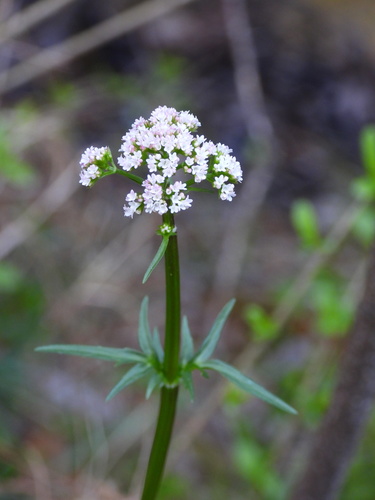
Valeriana dioica is a small, creeping perennial of the honeysuckle family, reaching 6–12 inches (15–30 cm) tall in flower and spreading by slender stolons to form low patches. Basal leaves are oval and long-stalked, while the few stem leaves are pinnately divided into narrow lobes. It is dioecious, with male and female flowers on separate plants: clusters of small pale-pink to white flowers appear from May to June, the male flowers larger and showier than the smaller female heads. After flowering, female plants carry tufted, parachute-like seeds. The plant grows in fens, marshes, wet meadows, and flushed grassland across Europe and into western Asia, rooting in permanently moist, base-rich peaty soils. It needs reliably damp ground and full sun to light shade, and is intolerant of drought, dense shade, and acidic, nutrient-poor conditions. It dies back to the rootstock in winter. Plants are modest in stature and spread slowly, so they are easily overgrown by taller marsh vegetation.
Native Range
Valeriana dioica is native across much of Europe and into western Asia. It grows in fens, marshes, wet meadows, and base-rich flushes on permanently moist, often calcareous peaty soils.Suggested Uses
Used in bog gardens, pond and stream margins, and damp wildflower meadows on neutral to alkaline soil. Suited to wetland restoration and naturalistic planting where soil stays moist.How to Identify
Appearance
Size & Dimensions
Height6" - 1'
Width/Spread8" - 1'4"
Bloom Information
Flowering occurs from May to June. Male and female flowers grow on different plants, so seed forms only where both occur nearby. Female plants follow with feathery, wind-borne seeds in early summer.
Detailed Descriptions
Flower Description
pale pink to whiteFoliage Description
greenGrowing Conditions
Sun Requirements
Requires 4-10 hours of direct sunlight daily
• Full Sun: 6+ hours of direct sunlight
• Partial Shade: 3-6 hours of direct sunlight
• Full Shade: Less than 3 hours of direct sunlight
Care & Maintenance
Care Guide
Grows in full sun to light shade on permanently moist to wet, base-rich soils, including fen peat and damp meadow loam. It needs ground that never fully dries and tolerates seasonal shallow flooding. Drought, acidic infertile soils, and deep shade weaken or eliminate it. In cultivation it suits bog gardens, pond margins, and damp wildflower areas. It spreads gently by stolon and self-seeds where both sexes are present. It is hardy in zones 4 to 7 and dies down in winter.Pruning
No routine pruning is needed. Spent flower stems can be cut after seeding, though leaving female heads allows self-sowing. Patches are divided in spring to propagate.Container Growing
Suitable for container growing