Valeriana, Genus, officinalis, Species,
- Genus & species
common valerian
Overview
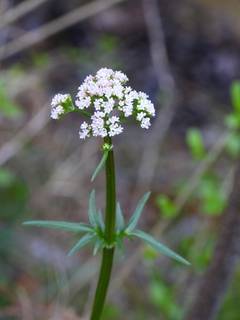
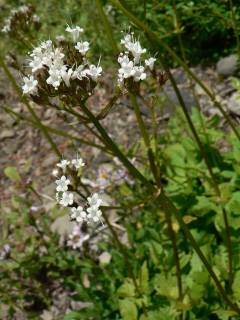
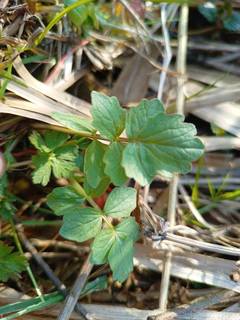
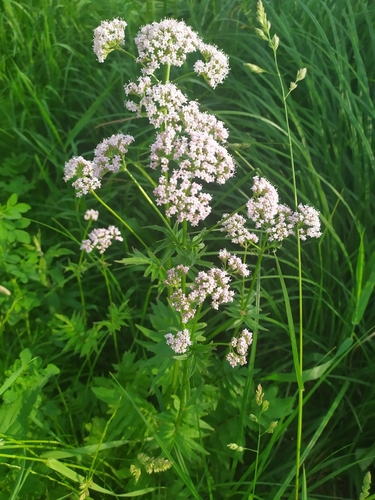
Valeriana officinalis is an upright, clump-forming perennial reaching 3-5 feet (90-150 cm) tall and 2-3 feet (60-90 cm) wide in flower. The leaves are pinnately divided into 7 to 25 toothed, lance-shaped leaflets, forming a low basal clump from which tall, hollow flowering stems rise. From June to August, the stems are topped by rounded, branched clusters of small, sweetly scented flowers in pale pink to white, each tubular and about 0.2 inch (5 mm) long. The flowers draw bees, butterflies, and hoverflies. The dried root has a strong, characteristic smell and a long history of use as a sedative herb. Native to Europe and temperate Asia, V. officinalis grows in damp meadows, ditches, riverbanks, and woodland margins, and has naturalized in parts of North America. It spreads by seed and by short runners, and can become weedy in moist, fertile ground, escaping gardens into wet habitats. The plant dies back in winter and regrows from the crown each spring. It is hardy to USDA zone 4.
Native Range
Native to Europe and temperate Asia. Naturalized in parts of North America, where it grows along streams, ditches, and damp roadsides and woodland edges.Suggested Uses
Grown in cottage gardens, herb gardens, rain gardens, and pond and stream margins, and cultivated for its medicinal root. Spaced 24-36 inches (60-90 cm) apart, it adds height and scent at the back of a moist border.How to Identify
Appearance
Size & Dimensions
Height3' - 5'
Width/Spread2' - 3'
Bloom Information
Flowers open from June to August in rounded, branched clusters at the stem tips. The sweetly fragrant bloom lasts several weeks and is strongest in the evening. Small seeds with a feathery pappus follow and are carried by wind.
Detailed Descriptions
Flower Description
Pale pink to whiteFoliage Description
GreenGrowing Conditions
Sun Requirements
Requires 4-8 hours of direct sunlight daily
• Full Sun: 6+ hours of direct sunlight
• Partial Shade: 3-6 hours of direct sunlight
• Full Shade: Less than 3 hours of direct sunlight
Care & Maintenance
Care Guide
Valeriana officinalis grows in full sun to partial shade in moist, fertile soil across a pH of 5.5 to 7.5, and tolerates clay and seasonally wet ground. It takes steady moisture and may wilt in prolonged drought. The plant is hardy to USDA zone 4 and dies back to the crown each winter. Because it self-seeds and runs in fertile soil, removing spent flower heads before seed set limits its spread into wet habitats. It has few pests. Tall stems may need support in exposed, windy sites.Pruning
Cut the dead stems to the ground in late autumn or late winter. Removing the flower heads as they fade reduces self-seeding and prevents the plant escaping. Cutting back after the first bloom can prompt a smaller second flush.Pruning Schedule
Prune: February & October
fallwinter