Agave, Genus, geminiflora, Species,
- Genus & species
twin flower agave plant
Sierra Madre Occidental, western Mexico (Nayarit, Jalisco)
Overview
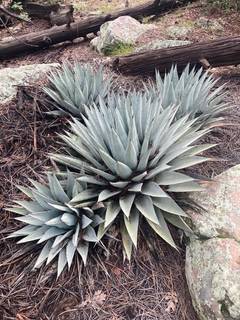
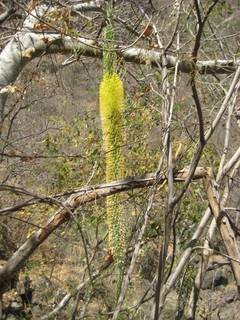
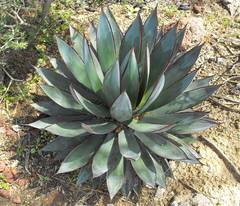
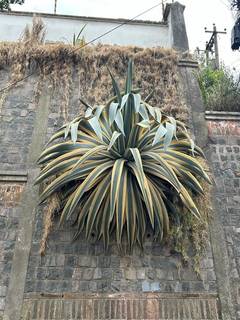
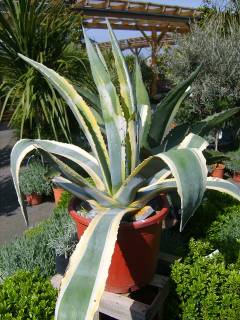
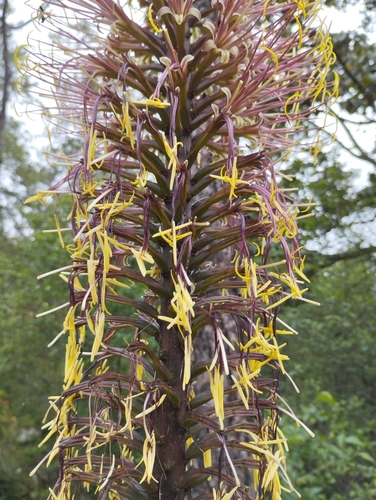
Agave geminiflora is a solitary, soft-leaved agave growing 24-36 inches (60-90 cm) tall and 36-48 inches (90-120 cm) wide. Leaves are dark green, narrow, flexible, 18-30 inches (45-75 cm) long and 0.5 inch (12 mm) wide, with white curling fibers along the margins and a small soft spine at the tip. The rosette is symmetrical with hundreds of leaves radiating from a short central stem. After 10-15 years, the plant flowers once on a single 8-20 foot (2.4-6 m) tall flower spike with paired yellow-tinged red flowers — the paired flower arrangement is the source of the species name geminiflora (twin-flowered). The plant dies after flowering, leaving offsets only sparingly. Native to a small region in the Sierra Madre Occidental of western Mexico (Nayarit and Jalisco). The species shows cold tolerance to 20°F (−7°C) for brief periods; foliage damaged by sustained freezes below 20°F (−7°C). Drought-tolerant once established. Sap can cause skin irritation in sensitive individuals due to saponins and calcium oxalate crystals; the tip spine can puncture skin on contact. Used in xeriscape, rock gardens, and Mediterranean container plantings in zones 9-11. Growth rate is slow — full size reached in 8-10 years.
Native Range
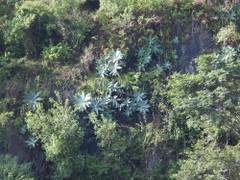
A. geminiflora is native to a restricted range in the Sierra Madre Occidental of western Mexico, in the states of Nayarit and Jalisco. The species grows on rocky volcanic slopes at elevations of 3,000-5,000 feet (900-1,500 m) in seasonally dry pine-oak forest understory.Suggested Uses
Grown as a specimen in xeriscape, rock gardens, and Mediterranean-style plantings in zones 9-11 in full sun. Used in container compositions of 7+ gallons (26+ liters) with sandy succulent mix. Adapts to coastal and inland desert climates with limited summer water.How to Identify
Appearance
Size & Dimensions
Height2' - 3'
Width/Spread3' - 4'
Bloom Information
Flowers once at 10-15 years of age on a single terminal spike 8-20 feet (2.4-6 m) tall. Paired yellow-tinged red flowers open along the upper third of the spike over 4-8 weeks in late spring to summer. The plant dies after flowering. Bloom is uncommon in cultivation outside zones 9-11 due to the time required to reach flowering size.
Detailed Descriptions
Foliage Description
Dark green with white curling marginal fibersGrowing Conditions
Sun Requirements
Requires 6-12 hours of direct sunlight daily
• Full Sun: 6+ hours of direct sunlight
• Partial Shade: 3-6 hours of direct sunlight
• Full Shade: Less than 3 hours of direct sunlight
Care & Maintenance
Care Guide
The species requires well-drained sandy or rocky soil; root rot develops within weeks in saturated or clay soils. Watering deeply once every 2-3 weeks during summer drought is sufficient — most landscape failures result from overwatering rather than drought. Full sun (6+ hours) produces the densest, most symmetrical rosettes. Cold damage occurs at sustained temperatures below 20°F (−7°C); foliage may yellow temporarily after light frosts. Agave snout weevil (Scyphophorus acupunctatus) attacks crowns in some southwestern regions, causing rapid plant collapse. The species is resistant to deer browsing.Pruning
No pruning required for shape — the symmetrical rosette form is the natural growth habit. Dead or damaged outer leaves can be cut at the base with shears year-round. Cut leaves do not regenerate; new leaves emerge only from the central growing point. After flowering, the dead rosette is removed at ground level once dry.Container Growing
Suitable for container growing
Minimum container size: 7 gallons