Agave, Genus, americana, Species,
- Genus & species
century plant
Mexico and the American Southwest — domesticated for 9,000+ years (fibers, food, beverages); the related {A. tequilana} produces tequila
Overview
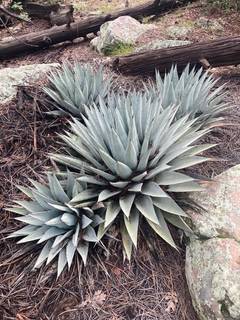
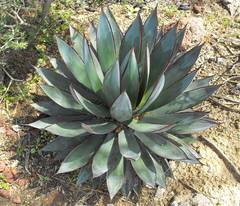
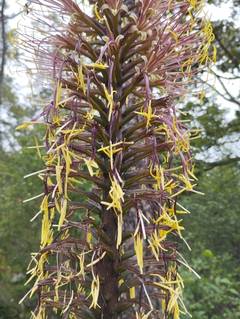
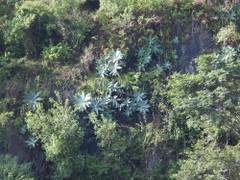
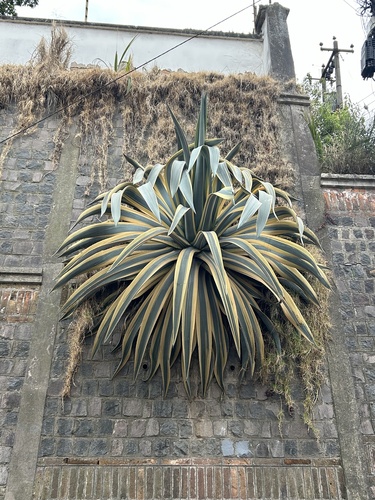
Agave americana is the century plant, growing as a rosette 36–72 inches (90–180 cm) tall and 72–120 inches (180–300 cm) wide. Massive blue-gray thick fleshy sword-shaped leaves 3–6 feet (90–180 cm) long with sharp terminal spines 1–2 inches (2.5–5 cm) at each leaf tip and serrated margins — the terminal spines can cause serious puncture wounds and are frequently removed for safety. Monocarpic: after 10–30 years of vegetative growth (the 'century plant' name exaggerates the timeline), the rosette produces a flower stalk that grows rapidly (up to several inches per day) reaching 120–360 inches (300–900 cm) tall. Yellow-green flowers attract pollinators, including bats in its native range. After flowering, the rosette dies — but offsets (pups) produced before flowering continue the colony. Domesticated in Mexico for approximately 9,000 years for fibers (sisal), food (roasted piña/heart), and fermented beverages. The related A. tequilana is used for tequila; A. americana is used for mezcal and pulque. The sap causes contact dermatitis. Extremely drought-tolerant. Full sun. Well-draining soil. Zones 8–11. Non-toxic flesh (edible when cooked); raw sap irritates skin and mucous membranes.
Native Range
Agave americana is native to Mexico and the American Southwest. Domesticated 9,000+ years.Suggested Uses
Grown as a specimen or architectural accent in zones 8–11. Space 72–120 inches (180–300 cm) from walkways and areas where the terminal spines pose a puncture hazard. Full sun. Extremely drought-tolerant. The terminal spines can be removed for safety.How to Identify
Appearance
Size & Dimensions
Height3' - 6'
Width/Spread6' - 10'
Bloom Information
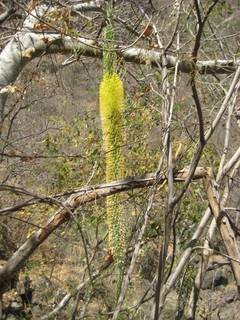
Monocarpic — flowers once after 10–30 years of vegetative growth. Yellow-green flowers on a stalk 120–360 inches (300–900 cm) tall. The rosette dies after flowering. Offsets (pups) replace the parent.
Detailed Descriptions
Flower Description
Yellow-green, on a MASSIVE flower stalk 10-30 feet tall — the once-in-a-lifetime bloomFoliage Description
Blue-gray, thick, fleshy, sword-shaped with SHARP TERMINAL SPINE at the tip and serrated margins — dangerously sharpGrowing Conditions
Sun Requirements
Requires 6-12 hours of direct sunlight daily
• Full Sun: 6+ hours of direct sunlight
• Partial Shade: 3-6 hours of direct sunlight
• Full Shade: Less than 3 hours of direct sunlight
Care & Maintenance
Care Guide
Full sun. Well-draining soil. Extremely drought-tolerant. Sharp terminal spines — remove tips for safety in high-traffic areas. Monocarpic (dies after flowering once in 10–30 years). Sap causes contact dermatitis. Zones 8–11.Pruning
Remove dead or damaged outer leaves at the base. Terminal spines can be cut for safety. After the monocarpic flowering event, remove the dead stalk and spent rosette. Allow offsets to fill the space.Container Growing
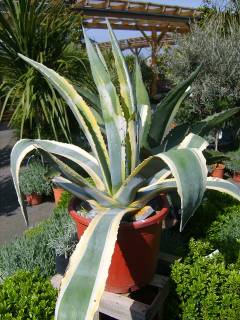
Suitable for container growing
Minimum container size: 15 gallons