Tragopogon, Genus, pratensis, Species,
- Genus & species
meadow salsify
Overview
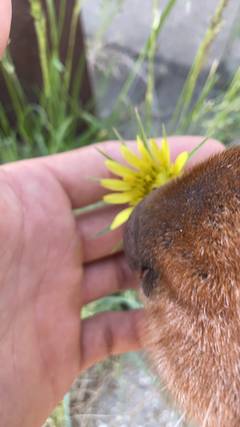
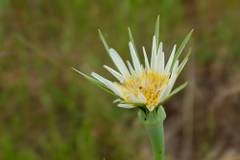
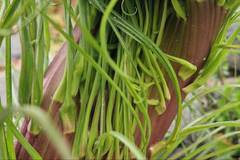
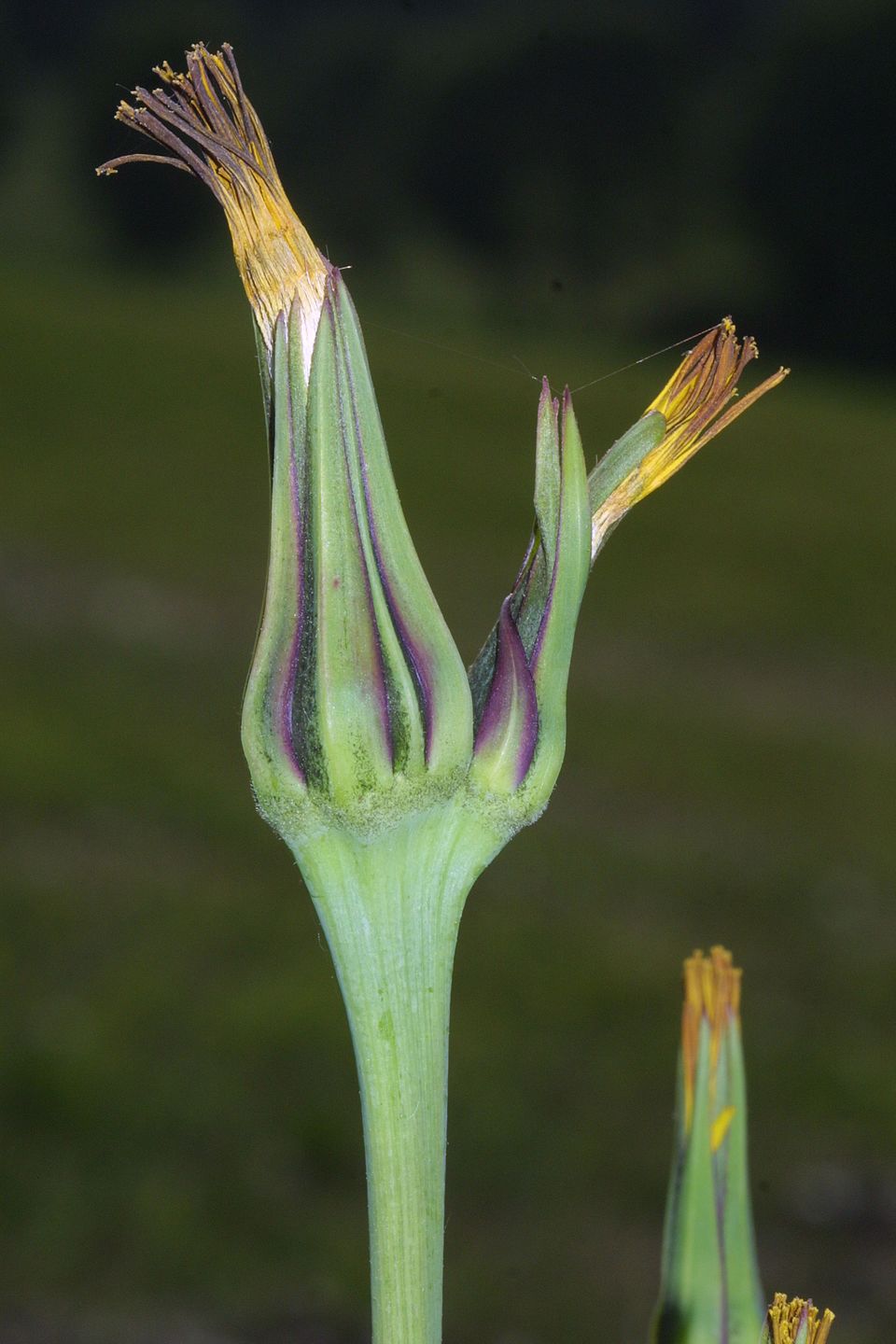
Tragopogon pratensis is an erect biennial or short-lived perennial 12-28 inches (30-70 cm) tall, with a deep taproot and smooth, grey-green, grass-like leaves that clasp the stem and taper to slender points. Each branch ends in a single yellow flower head 1.5-2 inches (4-5 cm) across, made up of strap-shaped ray florets backed by long, pointed green bracts that extend beyond the petals. The heads open in early morning and close by about midday, giving rise to its old country name, Jack go to bed at noon. After flowering the head expands into a large, round seed clock 2-4 inches (5-10 cm) across, each seed carried on a parachute of interlocking hairs. It grows in rough grassland, meadows, road verges, and waste ground on well-drained, neutral to limy soil. The plant is wind-dispersed and self-seeds, but is not aggressive and seldom dominates. It is short-lived, often dying after flowering once or twice, and relies on fresh seed to maintain a colony.
Native Range
Tragopogon pratensis is native to Europe and western Asia and has naturalised in North America and other temperate regions. It grows in meadows, rough grassland, verges, and disturbed ground on well-drained soils.Suggested Uses
Grown in wildflower meadows, naturalistic grassland, and pollinator plantings, where the morning flowers and large seed clocks add seasonal interest. Suited to poor, dry, sunny banks and verges where richer plants thin out.How to Identify
Appearance
Size & Dimensions
Height1' - 2'4"
Width/Spread8" - 1'4"
Bloom Information
Detailed Descriptions
Foliage Description
grey-greenGrowing Conditions
Sun Requirements
Requires 6-12 hours of direct sunlight daily
• Full Sun: 6+ hours of direct sunlight
• Partial Shade: 3-6 hours of direct sunlight
• Full Shade: Less than 3 hours of direct sunlight
Care & Maintenance
Care Guide
Grow in full sun on well-drained, neutral to alkaline soil of low to moderate fertility, including poor and stony ground. It is drought-tolerant once the taproot is down and needs no watering in open ground. Sow seed where it is to grow, as the taproot does not transplant well once past the seedling stage. No feeding is needed, and rich soil shortens its already brief life. It self-seeds, so leaving a few heads to ripen keeps a colony going. Otherwise it needs no routine care.Pruning
No pruning is required. Removing spent heads before the seed clocks form limits self-sowing, while leaving some lets the colony renew. Old stems die back after seeding and are cleared as needed.Toxicity
Non-toxicPlanting Guide
Planting Methods & Timing
Planting Method
direct sow
Direct Sow Timing
Sow in spring or autumn where it is to grow