Tradescantia, Genus, subaspera, Species,
- Genus & species
zigzag spiderwort
Overview
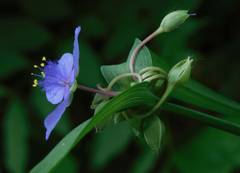
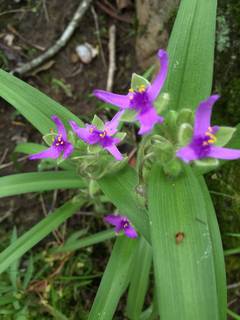
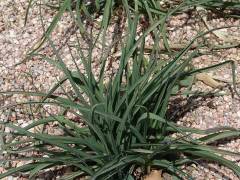
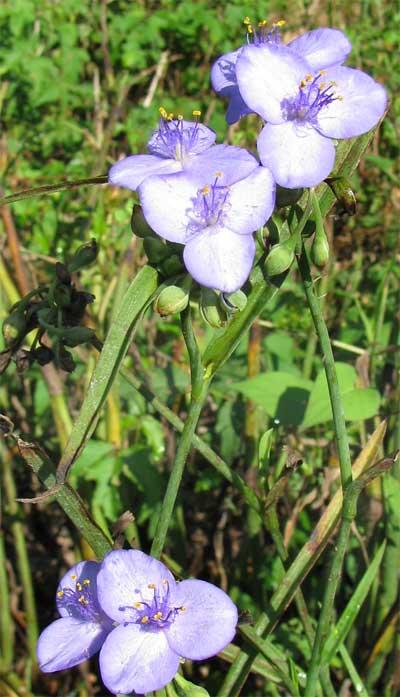
Tradescantia subaspera is a clump-forming perennial reaching 1-3 feet (30-90 cm) tall and 1-2 feet (30-60 cm) wide. The stems bend at each node, producing the zigzag form that gives the plant its common name. Lance-shaped leaves are 4-8 inches (10-20 cm) long and 1-2 inches (2.5-5 cm) wide, broader than those of most spiderworts. Three-petaled flowers measure about 1 inch (2.5 cm) across and range from blue to violet-purple, each carried on jointed stalks above the foliage. Individual flowers open in the morning and close by afternoon, while new buds open in succession from early to late summer. The species grows in moist deciduous woodlands, ravines, and shaded streambanks across the eastern United States. It tolerates full to partial shade and average to moist soils, but foliage scorches in dry, sunny sites. After flowering the stems often flop and the foliage can yellow, at which point plants may be cut back to prompt fresh growth. It spreads slowly by short rhizomes to form colonies. Hardy in USDA zones 4-9.
Native Range
Tradescantia subaspera is native to the central and eastern United States, from Pennsylvania and Virginia west to Illinois and south to Georgia and Alabama. It grows in rich, moist woodlands, wooded slopes, and along shaded streams.Suggested Uses
Used in shade gardens, woodland borders, and naturalized plantings along streams or ponds. Suited to moist, shaded sites and rain garden margins. Spaced 18-24 inches (45-60 cm) apart in groups.How to Identify
Appearance
Size & Dimensions
Height1' - 3'
Width/Spread1' - 2'
Bloom Information
Detailed Descriptions
Flower Description
Blue to violet-purpleFoliage Description
Medium greenGrowing Conditions
Sun Requirements
Requires 2-6 hours of direct sunlight daily
• Full Sun: 6+ hours of direct sunlight
• Partial Shade: 3-6 hours of direct sunlight
• Full Shade: Less than 3 hours of direct sunlight
Care & Maintenance
Care Guide
Grow in partial to full shade in soil kept consistently moist and rich in organic matter. Plants in too much sun or dry soil develop scorched leaf margins and decline. Cut stems back by half after the first flush of bloom to limit flopping and prompt a second round of flowers. Divide clumps every three to four years in spring to maintain vigor. The species self-seeds and spreads by rhizomes, so it can colonize moist ground over time. No fertilizer is required in humus-rich soils.Pruning
Shear plants back by one-third to one-half after the main bloom when stems begin to flop. Remove yellowed foliage through summer. Cut all stems to the ground in late fall after frost.Pruning Schedule
Prune: July & November
summerfall
Container Growing
Suitable for container growing
Minimum container size: 2 gallons