Toxicoscordion, Genus, spp., Multiple species,
- Genus
- Multiple species
deathcamas
Overview
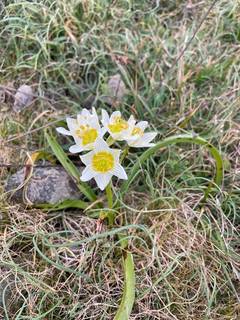
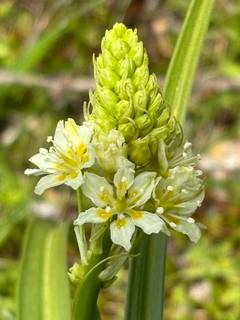
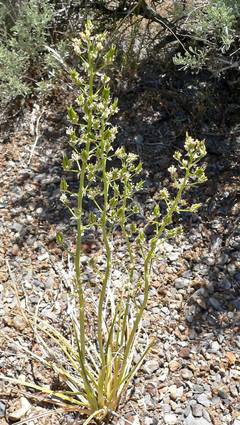
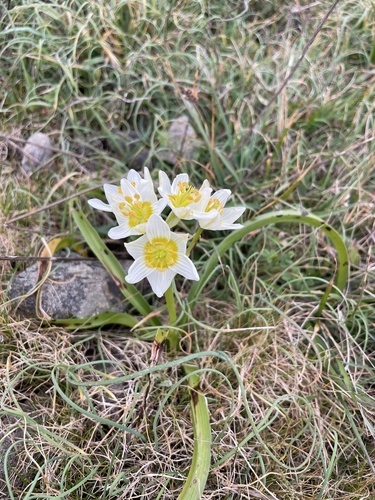
Toxicoscordion is a genus of about eight species of bulb-forming perennials in the family Melanthiaceae, native to meadows, grassland, and open slopes across western and central North America. Once grouped within Zigadenus, the death camases grow from a deep, onion-like bulb and send up narrow, grass-like, V-keeled basal leaves in spring. Slender stems 1-3 ft (30-90 cm) tall carry tight to open clusters of small, six-parted, star-shaped flowers in cream, white, or greenish-yellow, each tepal marked with a gland near its base, from late spring into early summer. The plants set capsules and die back to the dormant bulb by midsummer as their habitats dry. Every part is highly toxic, containing zygacine and related alkaloids that poison people, livestock, and pets, and the bulbs have been mistaken for edible camas Camassia and wild onions with fatal results. The flowers are visited by a specialist bee that tolerates the toxins. Plants grow in full sun to light shade in soil that is moist in spring and dry in summer, and need no care once established in a suitable meadow or bank.
Native Range
The genus is native to western and central North America, from western Canada through the United States into Mexico, growing in moist spring meadows, prairies, sagebrush, and open woodland. Several species are common in the Pacific states and the Rocky Mountains.Suggested Uses
Death camas is grown mainly in native-plant collections, restored prairies, and meadow plantings where its spring flowers suit naturalistic schemes. It is planted for habitat and conservation value rather than as a border ornamental, given its toxicity. The dried seed heads add structure to meadow plantings.How to Identify
Appearance
Size & Dimensions
Height1' - 3'
Width/Spread6" - 1'
Bloom Information
Flowering comes in late spring and early summer, generally April to July depending on elevation, in dense to loose clusters of small cream to greenish-white star-shaped flowers. The bloom lasts a few weeks while the surrounding meadow is still green. By midsummer the plants have set seed and withered back to the bulb.
Detailed Descriptions
Flower Description
cream, white, greenish-yellowFoliage Description
greenGrowing Conditions
Sun Requirements
Requires 4-10 hours of direct sunlight daily
• Full Sun: 6+ hours of direct sunlight
• Partial Shade: 3-6 hours of direct sunlight
• Full Shade: Less than 3 hours of direct sunlight